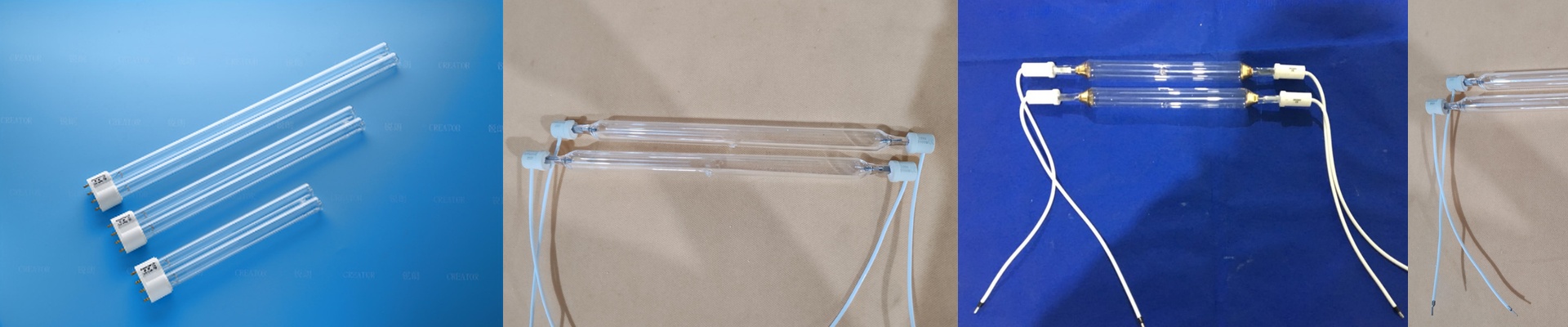
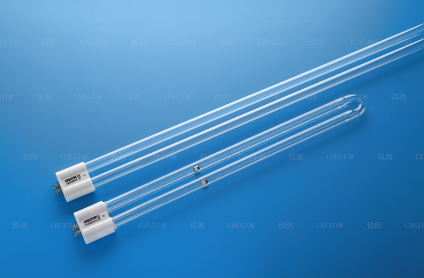
Why the “Secret Sauce” Matters for Your Gallium Iodide UV Lamps
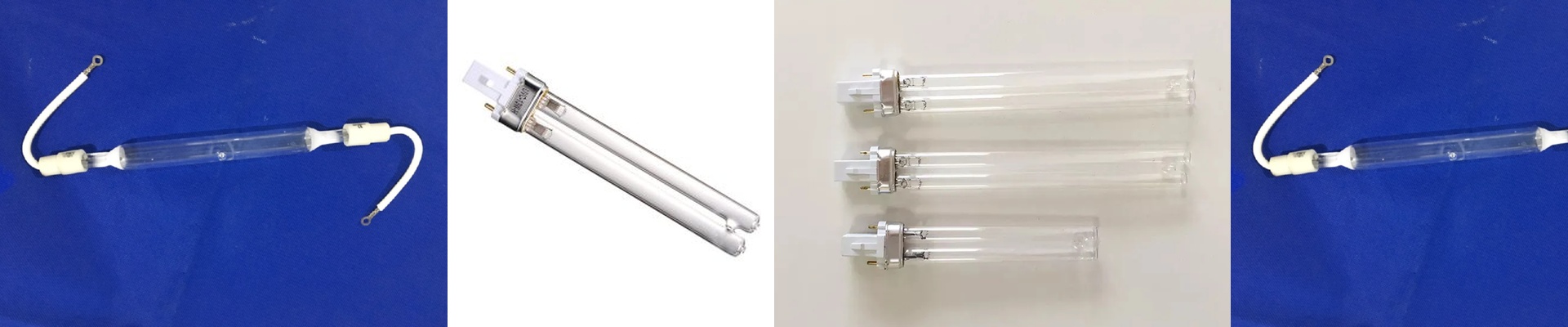
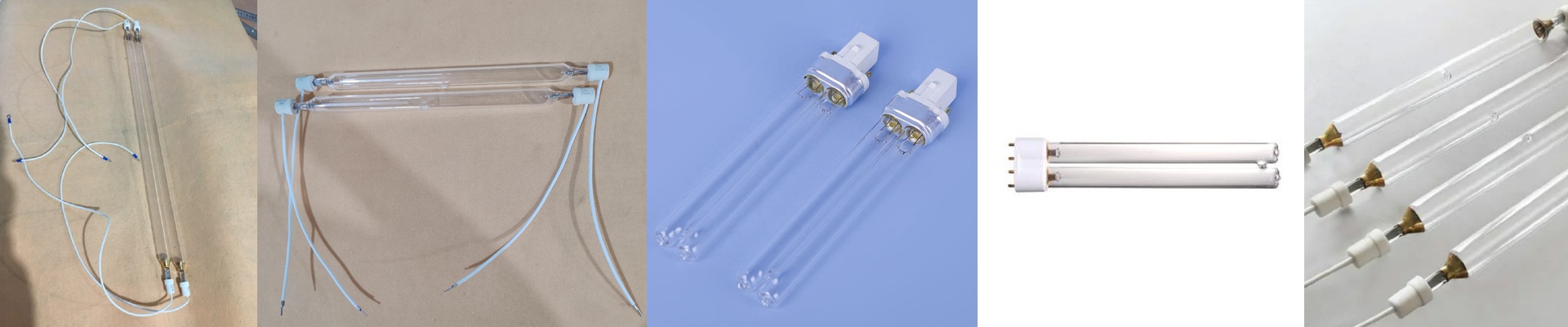
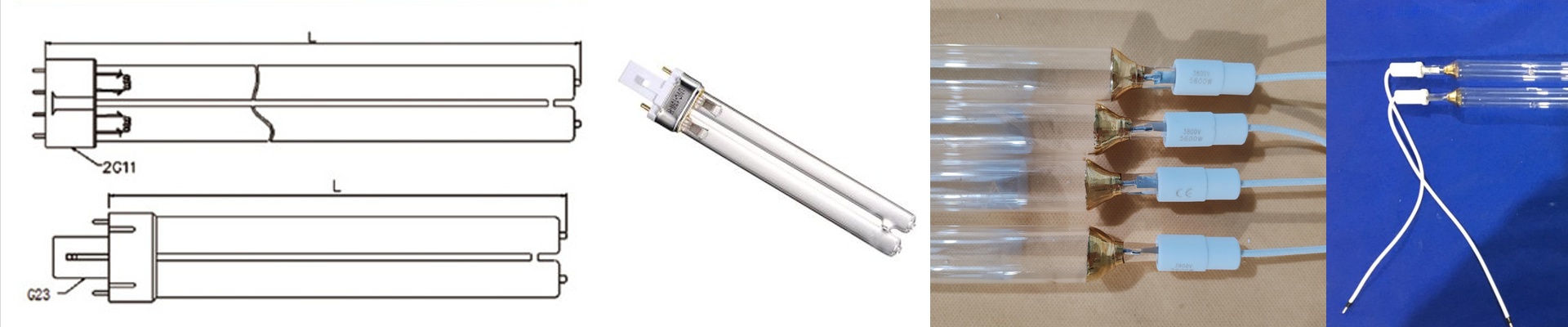
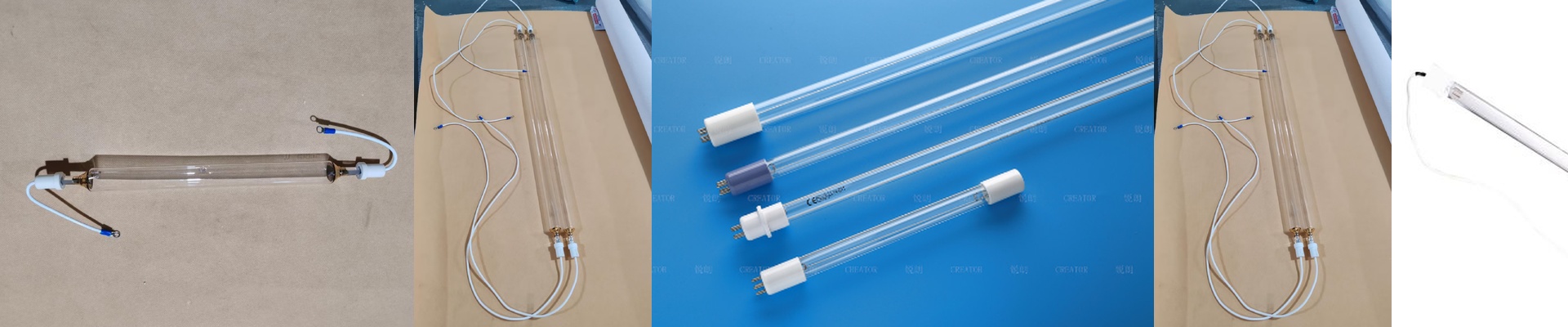
If you’re working with Gallium Iodide (GaI) lamps for curing or sterilization, you already know they’re beasts when it comes to precision. But here’s the thing: when you’re sourcing these from a factory in China, the spec sheet only tells you half the story. The real magic—and the real risk—is in the stuff you can’t see. I’m talking about the electrode geometry and those finicky gas fill ratios. The tricky part about the physics Getting these lamps to hit the exact nanometer peak you need isn’t a walk in the park. Unlike your run-of-the-mill mercury lamps, GaI is temperamental. The pressure has to be spot on. If the fill is off by even a tiny fraction? The lamp might burn out way too soon, or the spectral peak will just drift. It’s frustrating. That’s why we use our own filling methods. It keeps the UV intensity steady from one end of the tube to the other, so you aren’t guessing if it’s actually working. The headache of “generic” parts Buying cheap, generic UV lamps feels like a win until it isn’t. A lot of low-cost suppliers just copy electrode designs from the big brands. If you’re exporting your machinery to the US or EU, that’s a massive gamble. Customs agents are sharp. If they flag your components for patent infringement, your shipment gets seized. Then come the legal bills and the sleepless nights. We do things differently. We hold our own patents on how these lamps are built. When you use our designs, you’re essentially buying a “safe harbor.” You can ship your equipment globally and actually sleep at night, knowing you won’t get a cease-and-desist letter in the mail. Let’s talk about the heat High-output GaI lamps get hot. Really hot. While we’ve pushed the UV photon flux as high as possible, that puts a lot of stress on the quartz envelope. You can’t just wing it with the cooling. If your fans or water-jackets aren’t up to the task, the life of your lamp will tank. We don’t want you guessing. We’ll give you the actual thermal footprint data, so you can set up your cooling system correctly the first time and just let the thing run.