Getting Your UV Curing Right (Without the Headaches)
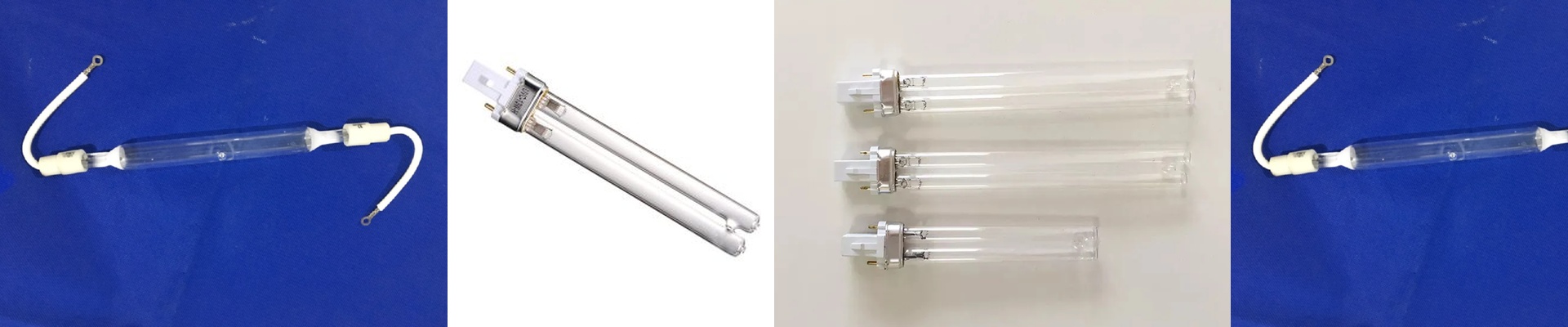
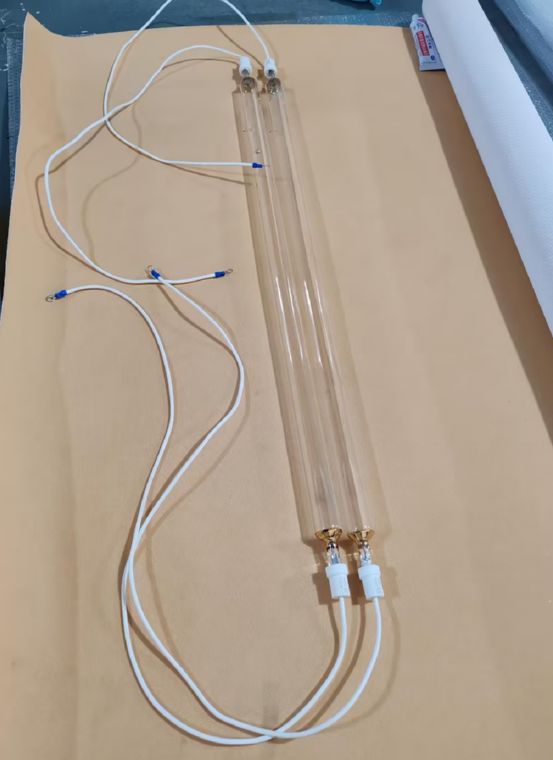
Most people shopping for UV lamps in China are just hunting for a cheap part to swap in. We don’t really do that. For us, it’s more about the physics. We want to make sure your ink actually sticks to the material without burning it to a crisp. The tricky part about UV output Here is the thing: if your lamp’s spectral output doesn’t match your photoinitiator, you’re going to have under-curing problems. Period. Whether you’re using mercury-vapor or LED arrays, the wattage and wavelength have to play nice with the ink chemistry. It’s tempting to just crank up the wattage to speed up the line, but that’s a gamble. You might end up shrinking the film or getting that annoying “orange peel” texture. We help you find that sweet spot—where the ink is cured all the way through, not just on the surface. Dealing with the heat UV lamps get hot. Really hot. When we design a system, we spend a lot of time looking at the reflector geometry and how the cooling is handled. Sure, a high-output lamp gets more work done, but it puts a massive strain on your chillers. If the cooling can’t keep up, your lamps are going to die way faster than they should. We’ll look at your conveyor speed and how far the lamps are sitting from the material. Sometimes you just need a different focal length or a tougher cooling jacket to keep your substrates from warping. It’s about the process, not just the parts We aren’t just shipping tubes in a box. We’re here to help you fix the actual line. That means looking at everything: how fast the belt is moving, how thick your coating is, and why your bulbs are wearing out. If your lamps are popping prematurely, it’s usually a ventilation fail or an electrical mismatch. We dig into those bottlenecks. The goal is simple: make it cost you less to print every meter of material.