Getting Your UV Curing Right for Textile Printing
Think of your UV curing lamps as more than just lights. They’re really the finish line. This is where that wet ink finally snaps into a solid polymer and stays put. When you’re running a fast textile line, it’s all about hitting that sweet spot with the wavelength—enough to bond the ink tight, but not so much that you roast the fabric.
Balancing Power and Heat
Here’s the thing: your lamp specs depend entirely on how fast your line is moving. Want to crank up the conveyor speed? You’ll need more wattage to keep the irradiance high. But there’s a catch. More power means more heat. If things get too hot, you’re looking at shrunk fabric or those ugly yellow stains that ruin a print. To stop that, we use focused reflectors. They push the UV energy straight down onto the material and keep it away from the machine frame where it doesn’t belong.
Why Quartz Matters
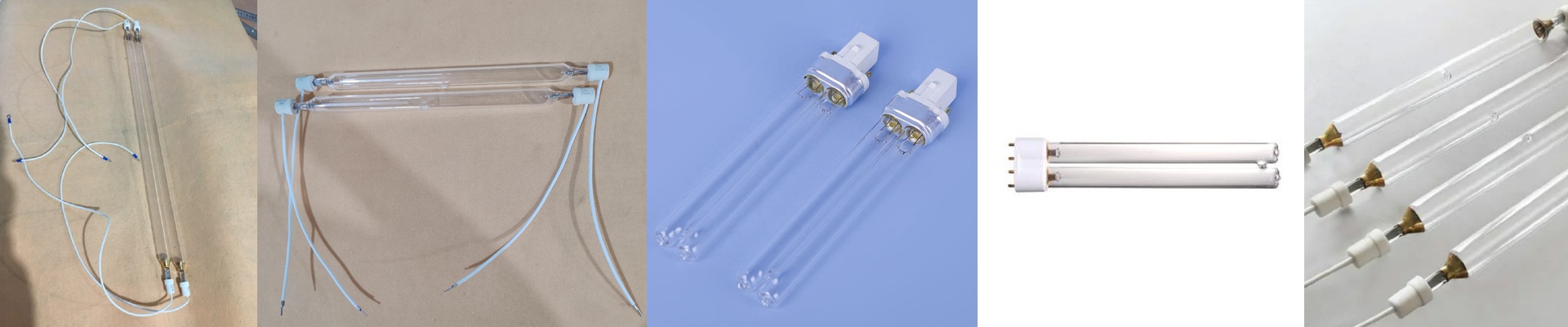
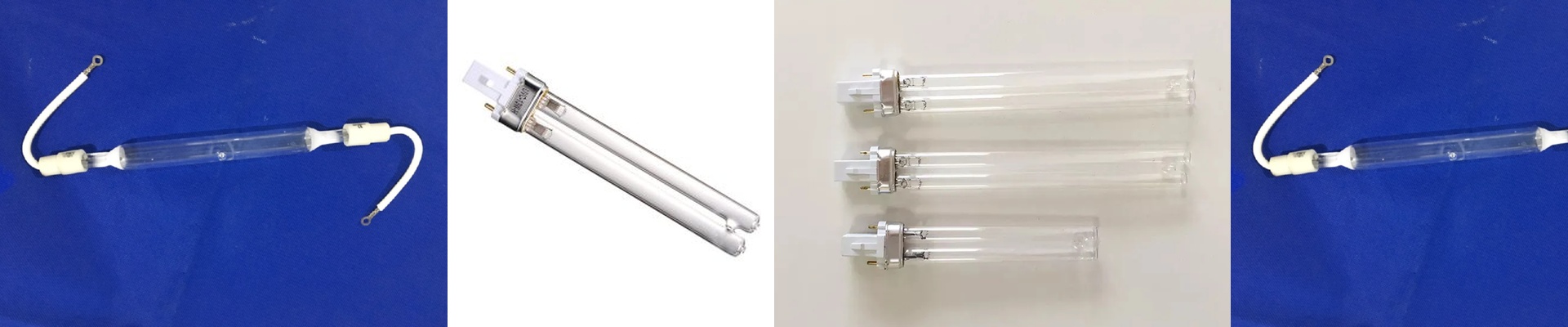
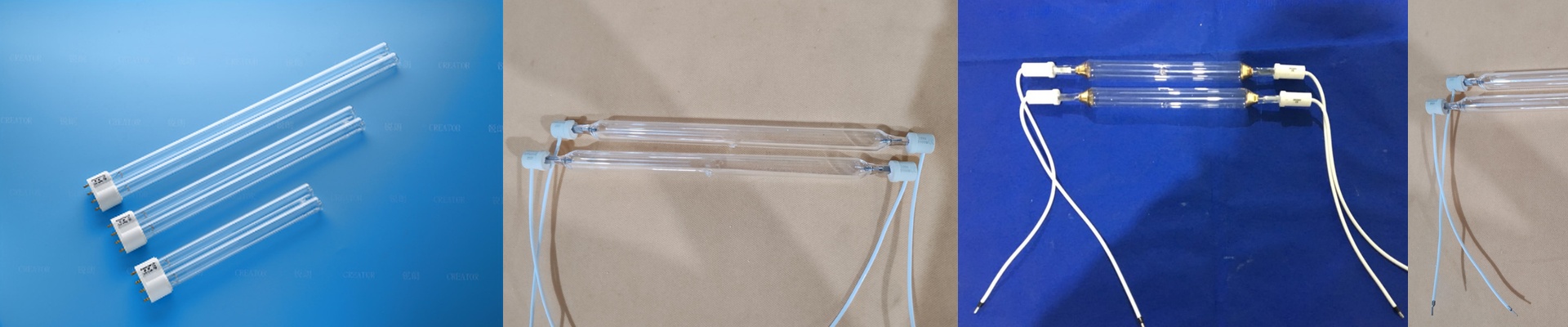
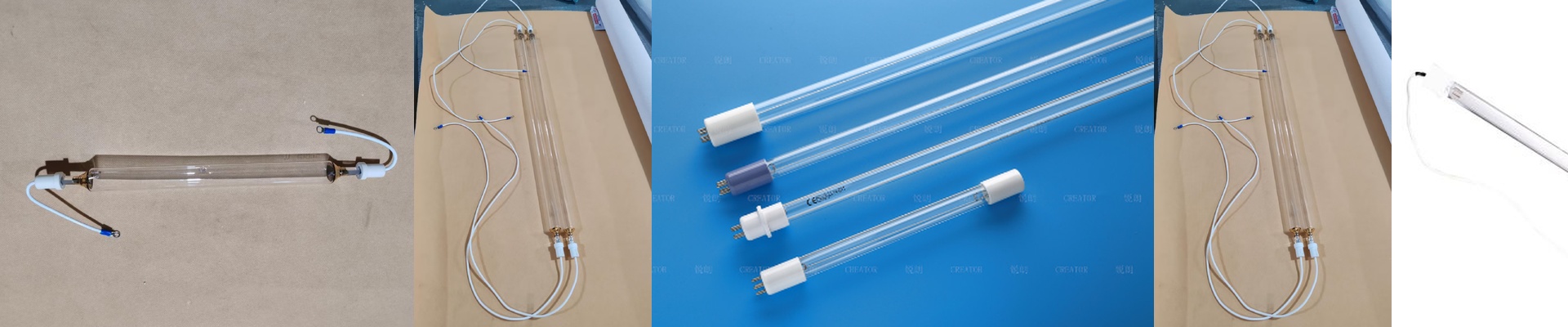
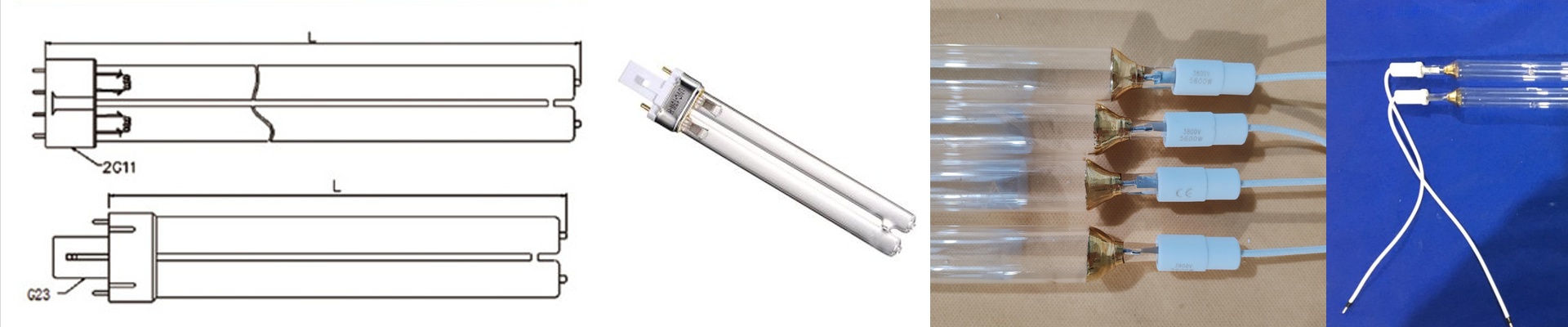
We stick with high-purity quartz for these tubes because regular glass just kills the UV rays. Quartz lets them fly right through. Depending on the gas fill inside, you’ll get either a broad spectrum or a narrow peak. For textiles, stability is everything. If your voltage dips, you get “under-curing.” You’ll know it’s happening when the print feels tacky to the touch or, even worse, just rubs right off the cloth.
Keeping Things Running
These lamps are built to be simple. They’re drop-in replacements, and we use standard connectors so you aren’t spending hours fighting with the wiring. One quick tip: wipe down your reflectors every single shift. It sounds tedious, but dust buildup doesn’t just slow you down—it creates hot spots. And hot spots are what crack your quartz. Just keep in mind that if you push a lamp to its absolute limit, it’s going to burn out faster. You’ll get more product out the door today, sure, but you’ll be swapping tubes way more often. It’s all about finding a balance between your speed and your maintenance schedule so you aren’t hit with a surprise shutdown.