Cleaning Up the Shop: UV Curing Without the Toxic Mess
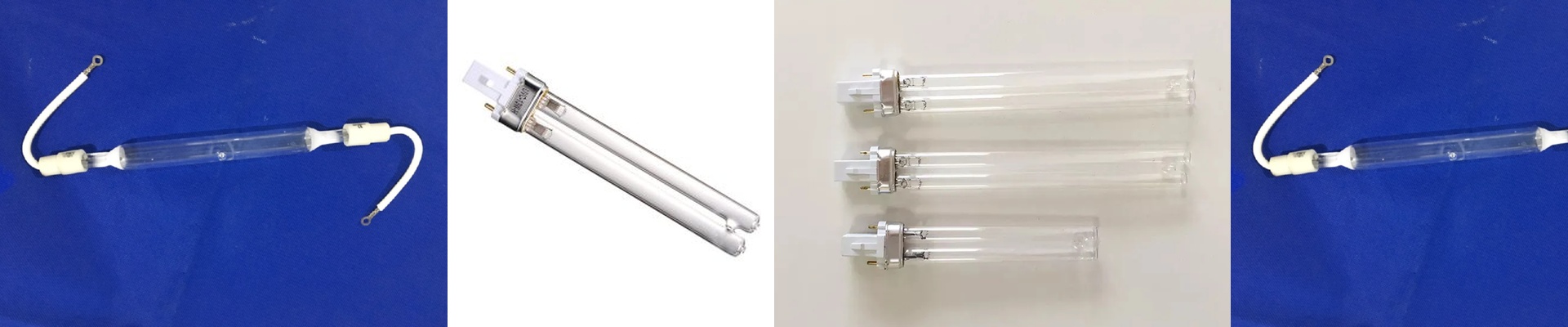
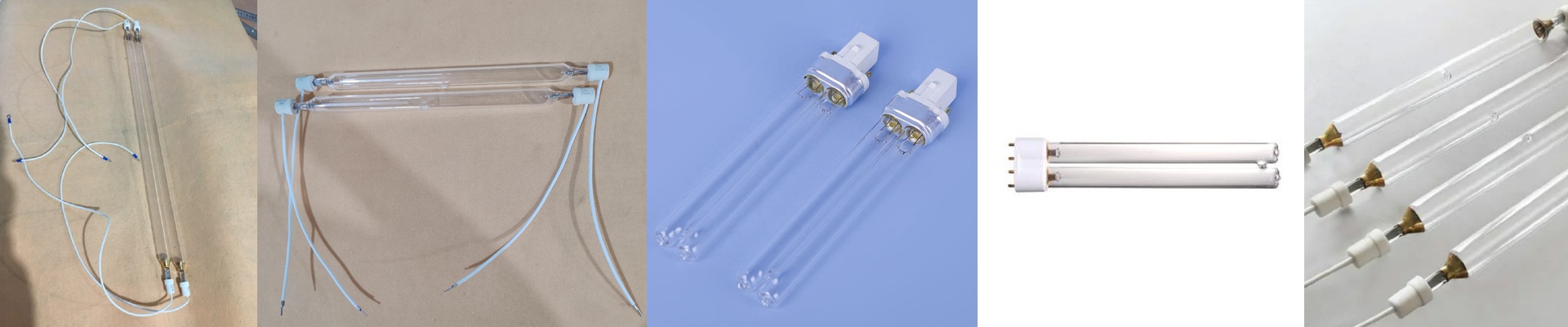
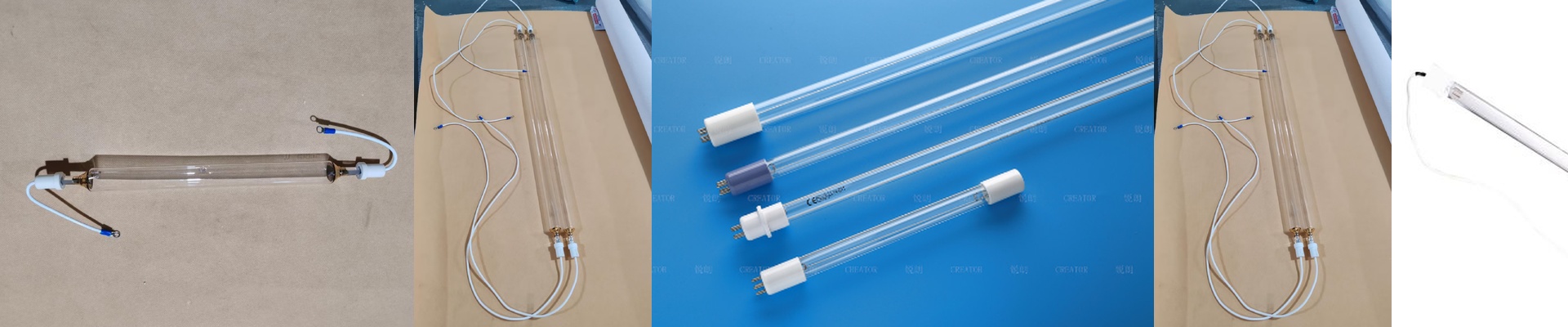
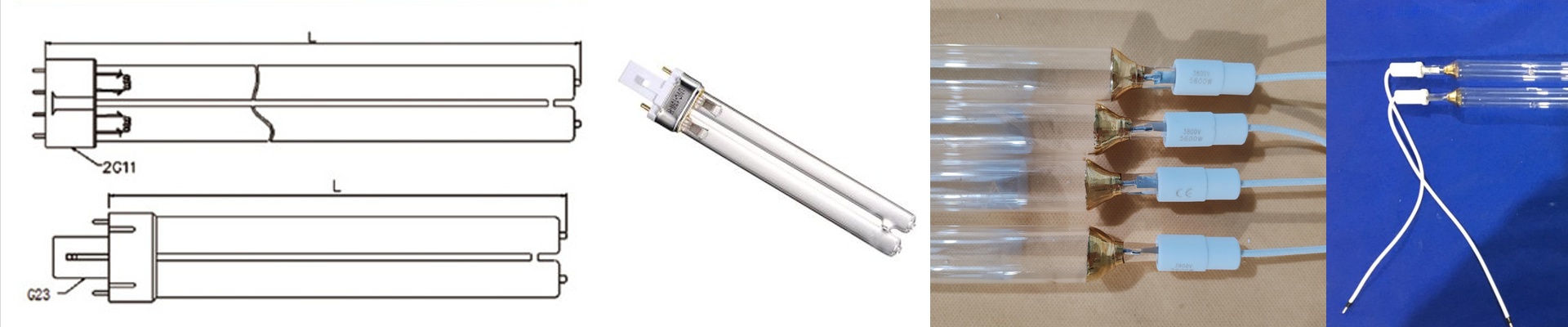
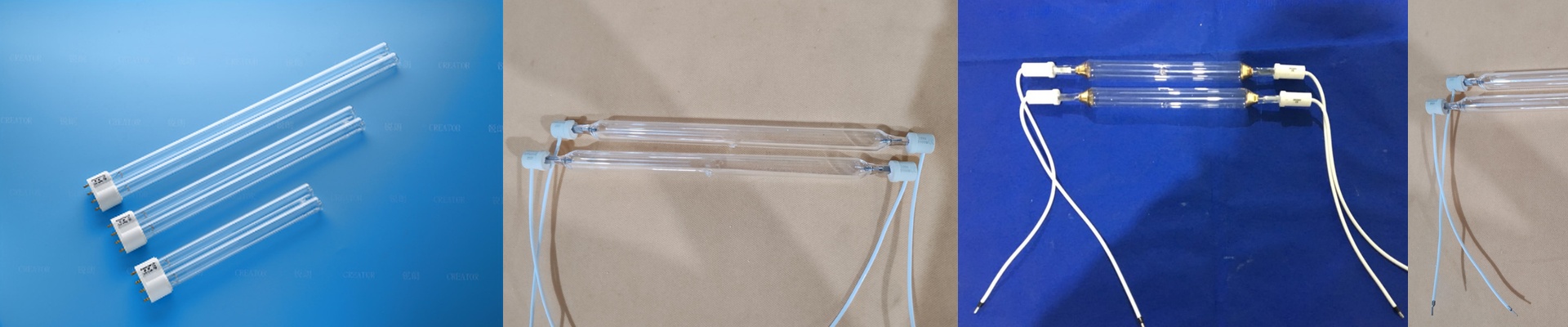
Let’s be honest: nobody likes dealing with hazardous waste. In industrial automation, we’re all chasing that perfect cure, but doing it with old-school mercury lamps is a headache. You’re not just managing a production line; you’re managing a liability. That’s why we’re moving away from the old way of doing things. We’ve focused on materials that don’t poison the planet and lamps that actually last. The stuff inside matters Old UV lamps are packed with heavy metals. They’re a pain to throw away and a nightmare if they leak. We decided to just stop using that stuff. We switched to mercury-free substrates and a better kind of quartz. The best part? These lamps don’t off-gas pollutants when things get hot. You can stop worrying about specialized chemical waste teams crawling all over your shop floor. It just makes the whole workspace feel cleaner. Stopping the burnout Most lamps don’t just “die”—they fail because the electrodes wear out or the gas leaks. It’s frustrating to have to kill your uptime just because a seal gave up. We spent a lot of time on the thermal management side of things. By using better sealants and a smarter gas mix, we’ve pushed the hour-rating way up. It means you spend more time running your line and less time swapping out bulbs. A quick heads-up on cooling Here’s the thing: when you change the materials to make a lamp last longer, the heat behaves differently. You might see a few localized hot spots. Because of that, you’ll want to double-check your cooling fans or water-jackets. If your cooling is too weak, the heat will eat away at those lifespan gains we just talked about. Just make sure your airflow is solid, and you’re gold. The best part is that these are drop-in replacements. You wire them into your current ballast, flip the switch, and keep moving. You get the same results, but you can finally stop stressing about the next environmental audit.