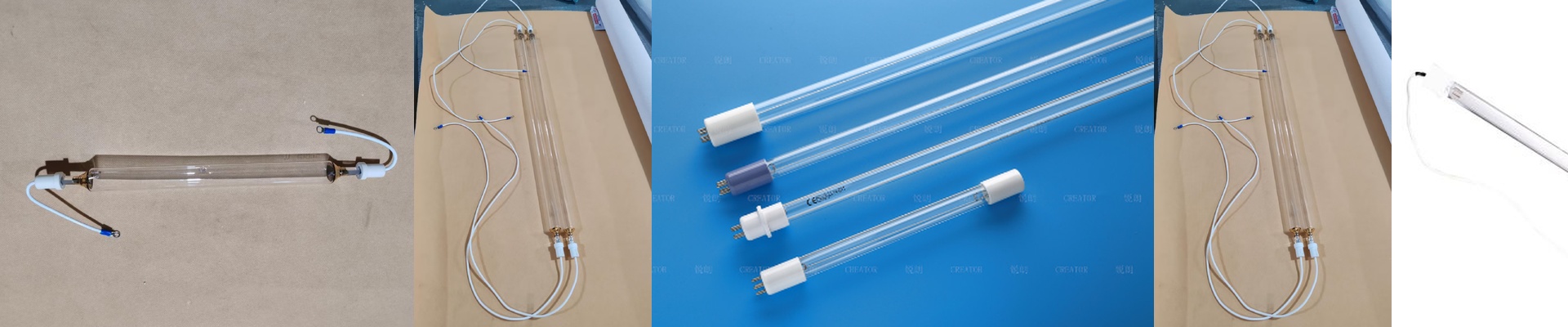
Getting Your UV Wavelengths Exactly Right
We don’t just slap together lamps. We’re in the business of managing photons. If you’re building OEM or ODM gear, you know the score: a few nanometers can be the difference between a perfect cure and a total mess. That’s why we spend our time in the lab obsessing over spectral peaks. We make sure your machines hit the exact energy density your materials actually need.
The trick to spectral control
Here’s the thing about most off-the-shelf UV lamps: they drift. They aren’t stable. We fix that by being picky about the gas mixtures and the purity of the quartz we use during fusion. Whether you need a razor-sharp peak at 254nm to kill germs or a wider UVC range to bond polymers, we tune the lamp to that specific window. It stops those annoying long-wave emissions from sneaking in. No more overheating your substrates or accidentally ruining your product.
Dealing with heat and hardware
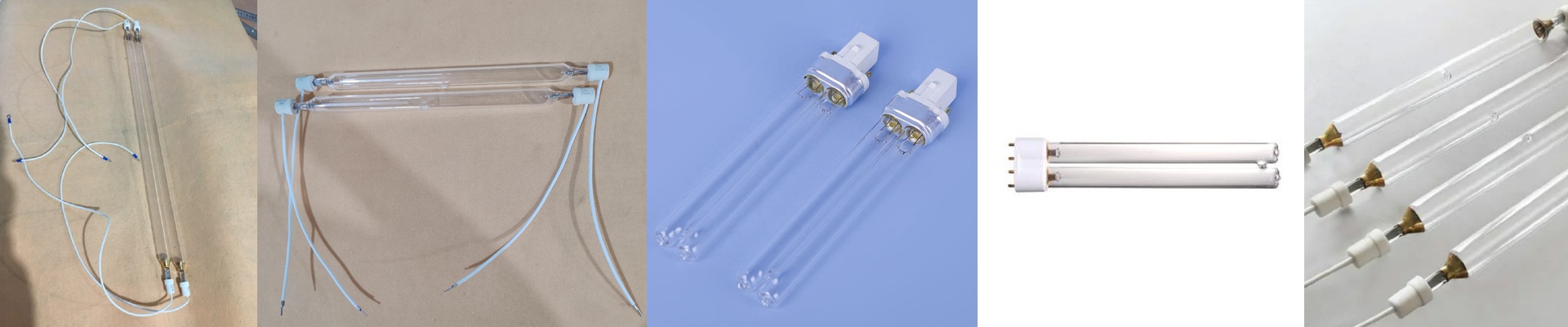
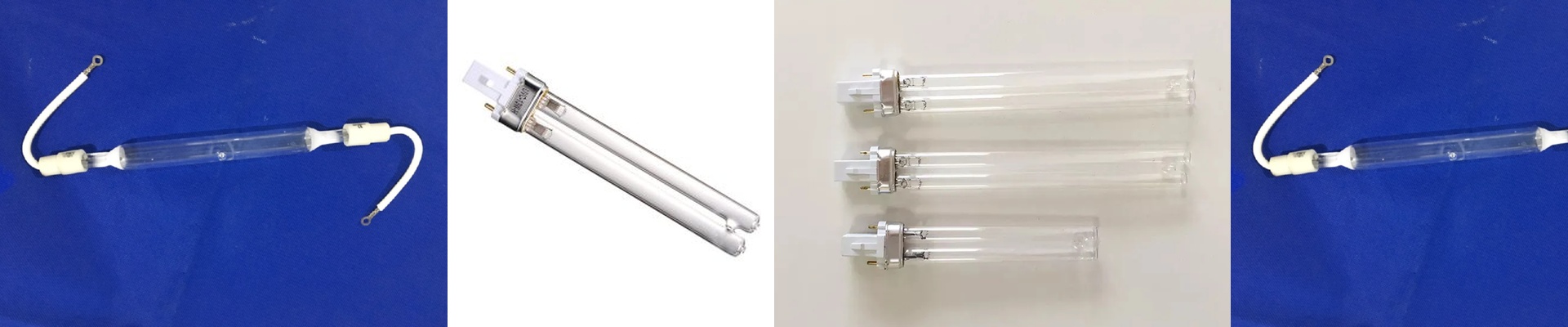
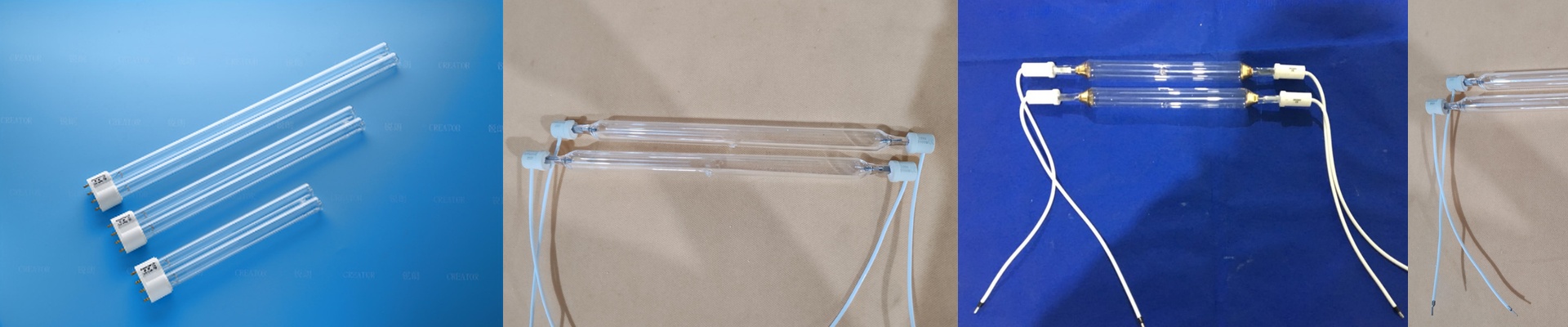
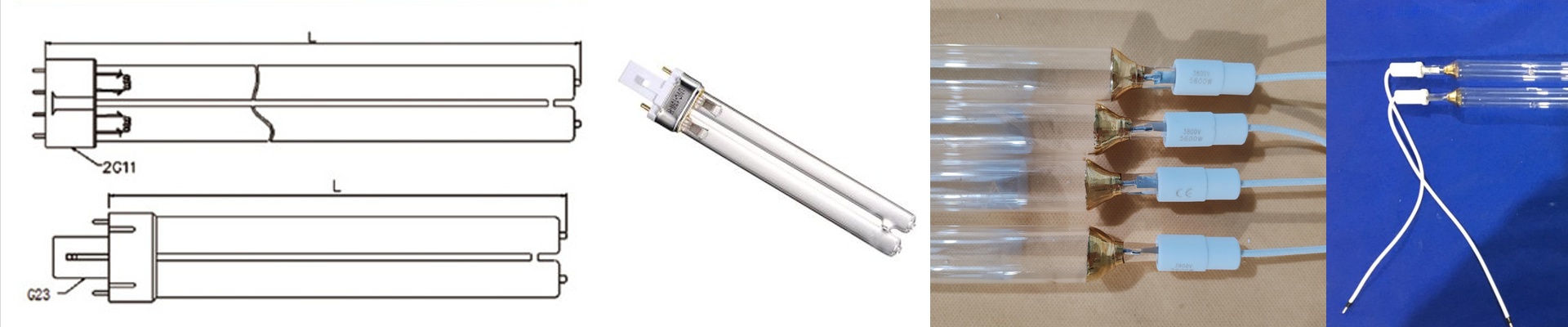
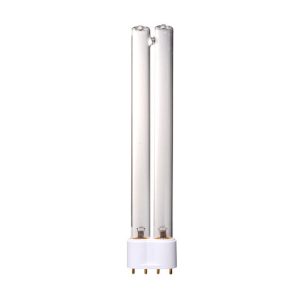
High-output UV lamps get hot. Really hot. If you don’t spec your cooling system to handle the infrared byproduct, you’re asking for trouble. We offer a bunch of different shapes and sizes to fit your specific footprint, so your lamps don’t just burn out because they can’t breathe. Plus, we can do custom end-caps, which makes these a simple drop-in for the rigs you’re already using.
The tug-of-war: Power vs. Lifespan
You’ve got a choice to make here. Pushing a lamp to its max wattage means you can move more product through the line. But it also eats away at the electrodes. It’s a trade-off. If you run your lamps at 110% power to speed things up, expect to lose about 20% of your total operating hours. We won’t tell you which way to go—that’s your call. Instead, we’ll give you the actual data curves so you can decide exactly where your process needs to sit.