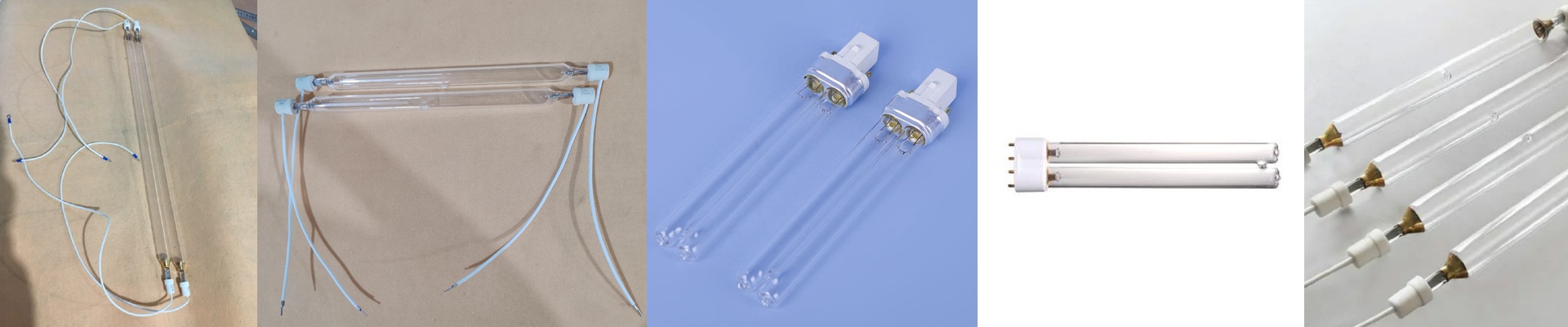
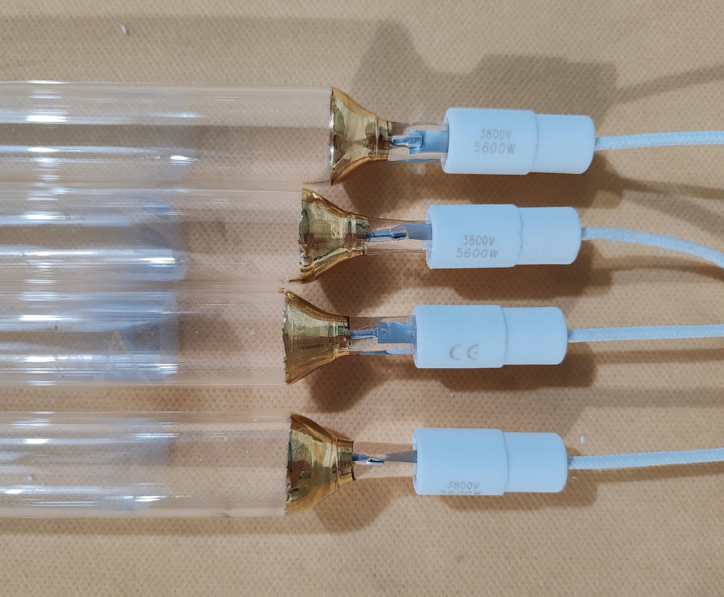
Getting the Most Out of Your High-Pressure Mercury Lamps
Let’s be honest: high-pressure mercury lamps are the real heavy lifters in industrial curing and disinfection. They aren’t flashy, but they get the job done. When we build these things, we’re always chasing that sweet spot—giving you as much raw power as possible without making the price tag ridiculous.
The science (without the textbook)
Here is how it actually works. We use a high-pressure arc to push the light into those UV-C and UV-B ranges. By cranking up the mercury vapor pressure inside, we force out more photons. For you, that just means more punch hitting your substrate. But there’s a catch. You need a solid, stable ballast. If your voltage starts jumping around, the arc begins to wander. That’s a disaster because it eats right through the quartz envelope, and suddenly, you’re replacing a lamp way sooner than you should.
Why the glass actually matters
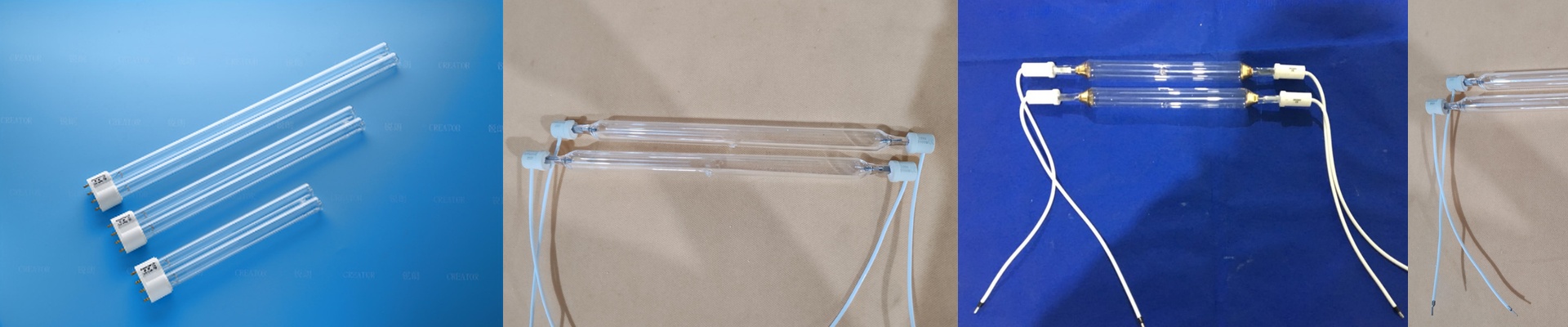
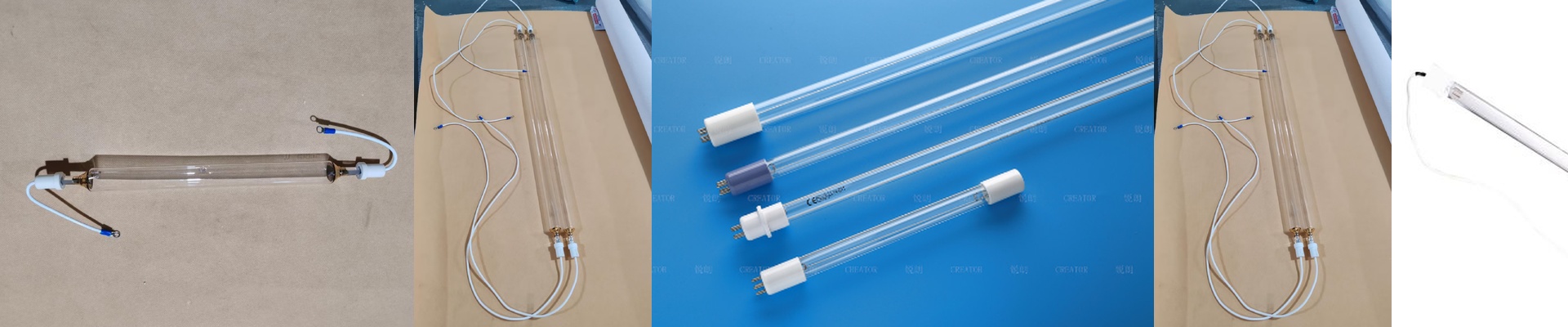
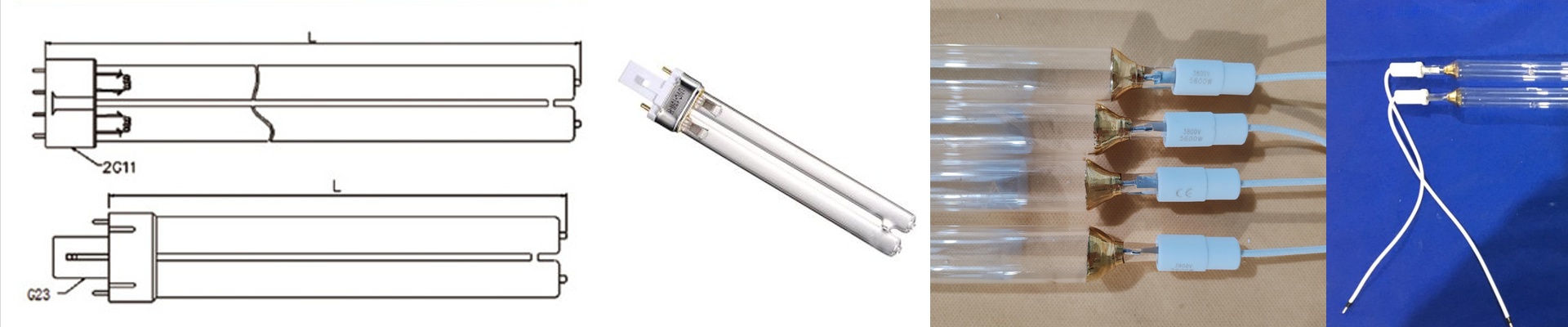
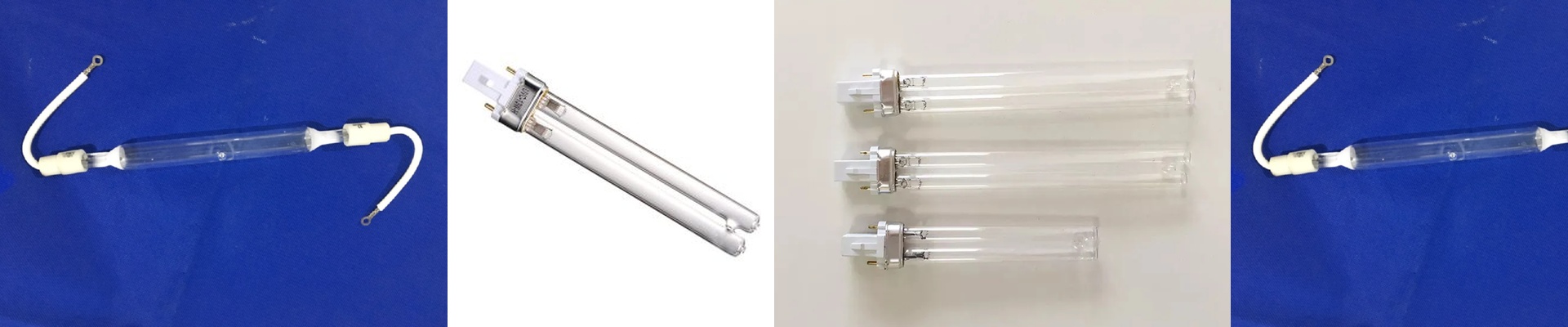
We handle our own quartz sourcing. Why? Because it keeps the costs down and the quality up. We use high-purity fused silica because it lets the UV light slide right through. Some people try to save a buck with cheaper glass, but that stuff blocks the shortwave radiation you actually need to get the work done. Plus, we make these in all sorts of lengths and diameters. Most of the time, you can just slide our tubes right into your existing OEM housings and they’ll fit perfectly.
The heat struggle
Here is the thing about power: if you cram more wattage into a shorter tube, it getshot. Really hot. A high-wattage lamp gives you incredible intensity, but it puts a massive strain on your cooling. If your fans are weak or your airflow is sluggish, the tube overheats. Then the mercury starts to migrate, and your lamp’s lifespan plummets. Before you pick a wattage, just double-check that your fans can actually handle the heat.
Cutting out the middleman
We decided to control everything—from the raw quartz to the final seal. No middlemen, no extra markups. That’s how we keep the price low while making sure the vacuum seal is airtight. You’re basically getting factory-direct gear that hits all the 2026 industrial standards for irradiance, without the corporate overhead.