Getting the UV Spectrum Right: The Fight for 0.5%
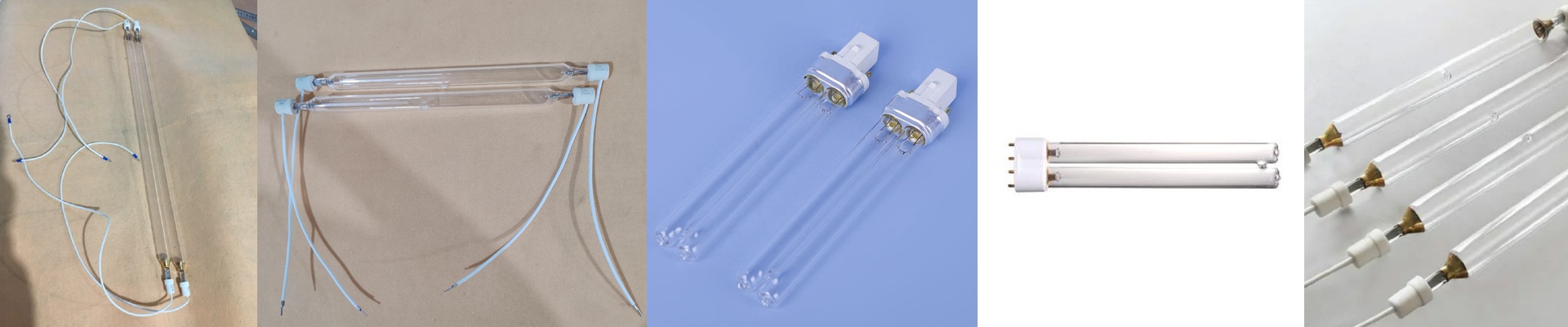
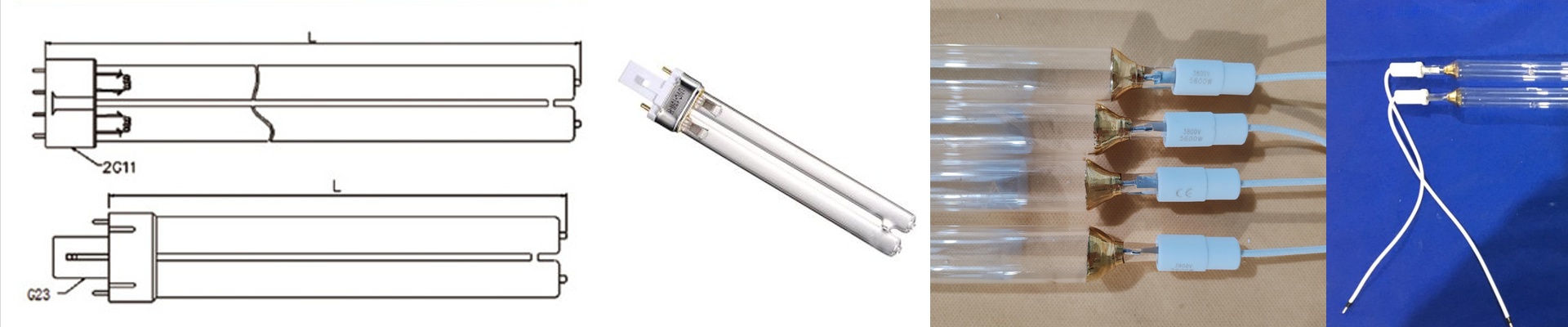
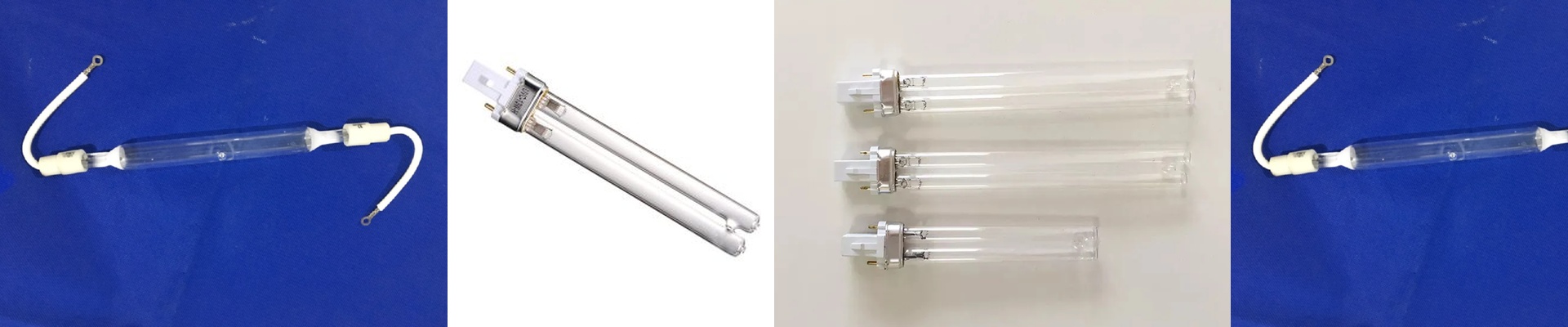
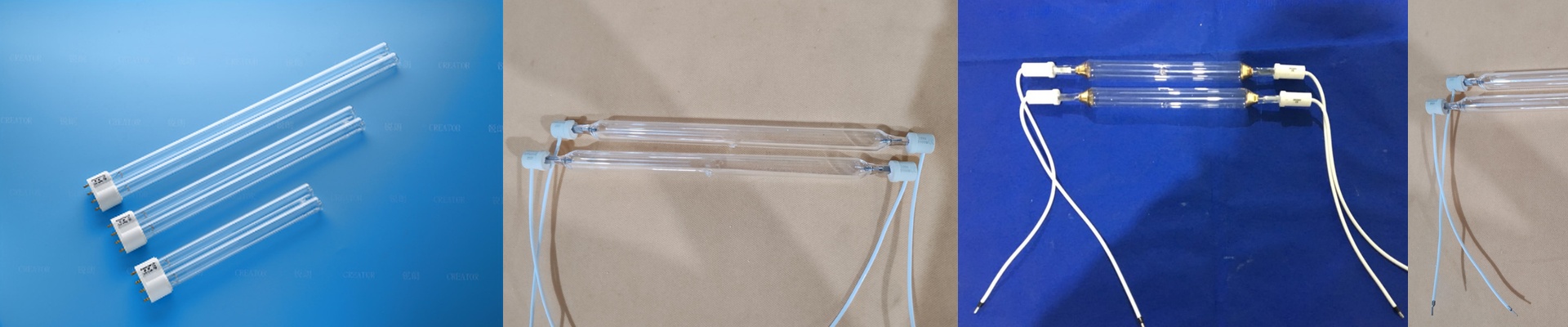
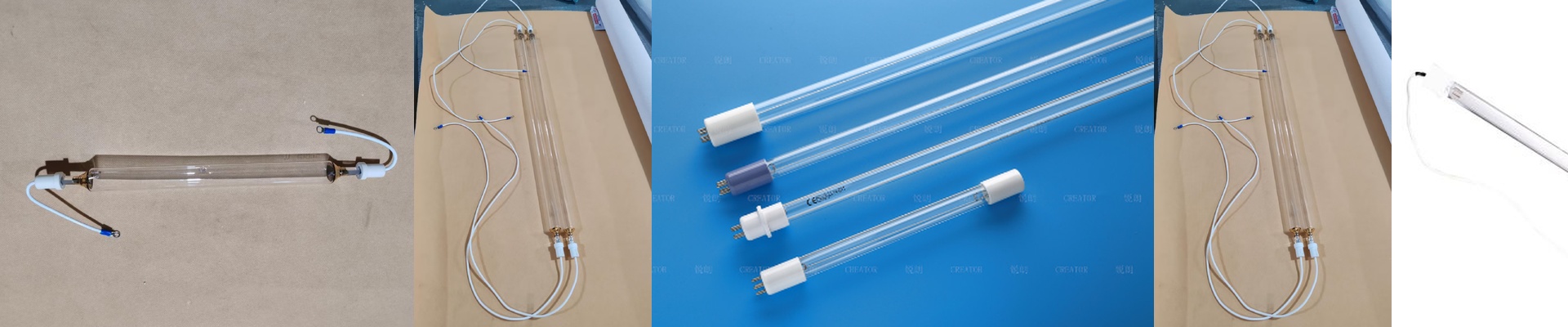
Most UV lamps you’ll find on the shelf are “good enough.” They throw out a general range of light, and for a lot of people, that works. But if you’re doing high-precision curing or sterilization, “good enough” is a recipe for disaster. We spent our last development cycle obsessed with one number: 0.5%. We wanted to tighten the spectral energy concentration so the light hits the photo-initiator threshold dead-on. No wasted power. No stray wavelengths. Just the exact energy needed, right where it needs to be. How we actually did it Getting that 0.5% variance wasn’t a walk in the park. We had to go back to the basics—gas mixtures and electrode geometry. We spent a lot of time messing with the argon-mercury ratios and tweaking the internal pressure. It’s a delicate balance. If the pressure is off by even a tiny bit, the spectral lines start to blur, and you lose that pinpoint concentration we were after. We also swapped in high-purity synthetic quartz. Why? Because impurities act like sponges, soaking up specific UV bands. Using the clean stuff keeps the output steady from one end of the tube to the other. The catch (because there’s always one) Here’s the thing: when you focus energy this tightly, things get hot. The beam is more precise, sure, but the thermal load on the lamp ends spikes. If you just toss these into a system with lazy ventilation, you’re going to fry your electrodes way too soon. Check your cooling blowers. You’ll need them to handle a lot more heat flux at the lamp caps than you’re used to. What this means for your floor We built these for the lines where a tiny 2% shift in wavelength means a part doesn’t cure or the material just degrades. With that 0.5% lock, you get the same result whether the part is right in the center or off to the side. It’s a simple drop-in replacement for your standard tubes, as long as your ballast can handle the specific voltage. And we didn’t just hope it would work. We ran these under a continuous load for 2,000 hours. The spectral peak didn’t budge. It just stays put.