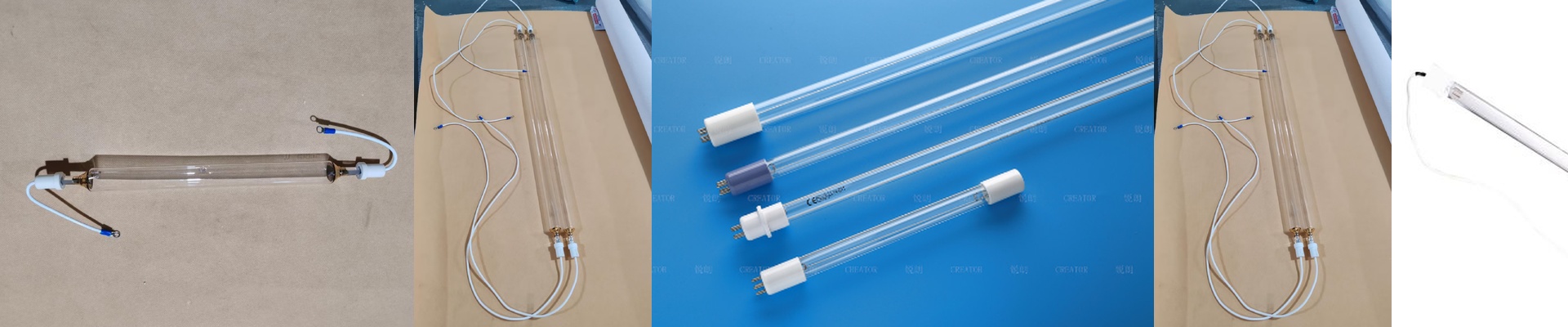
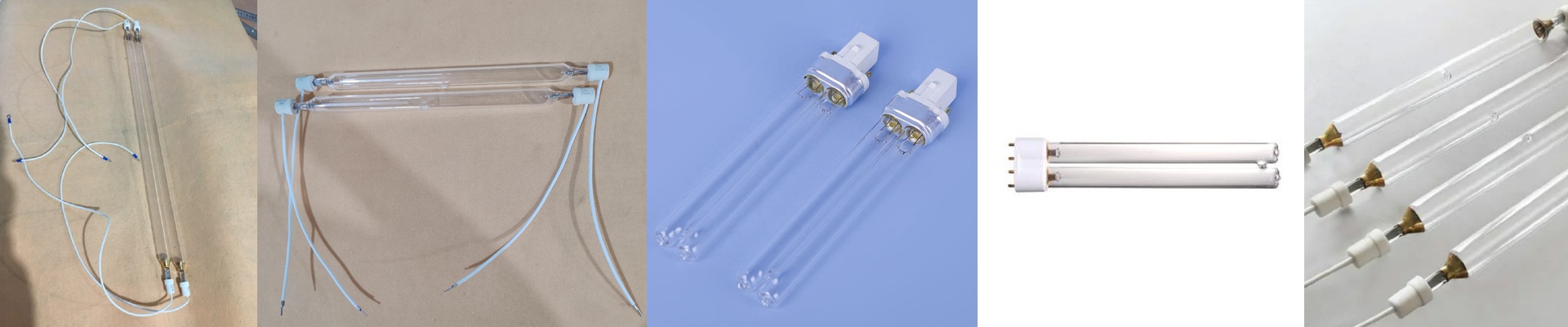
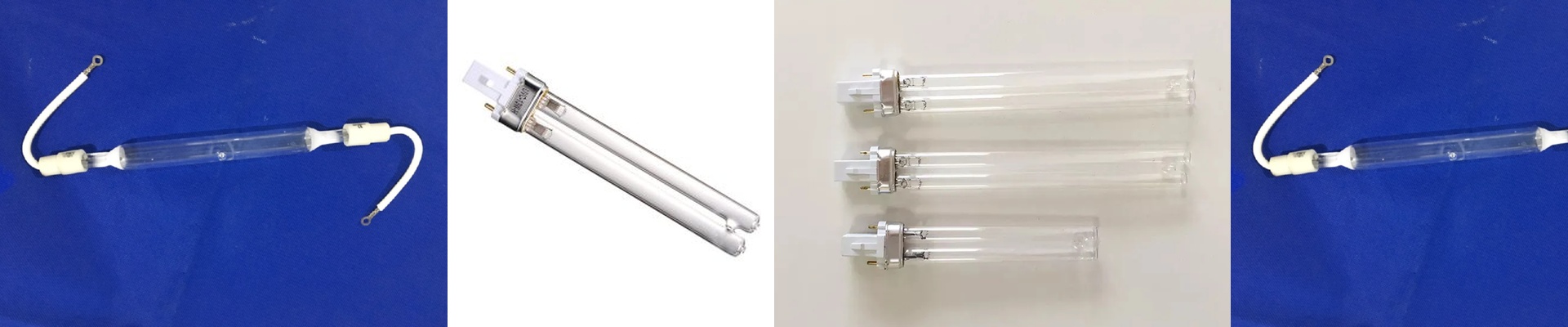
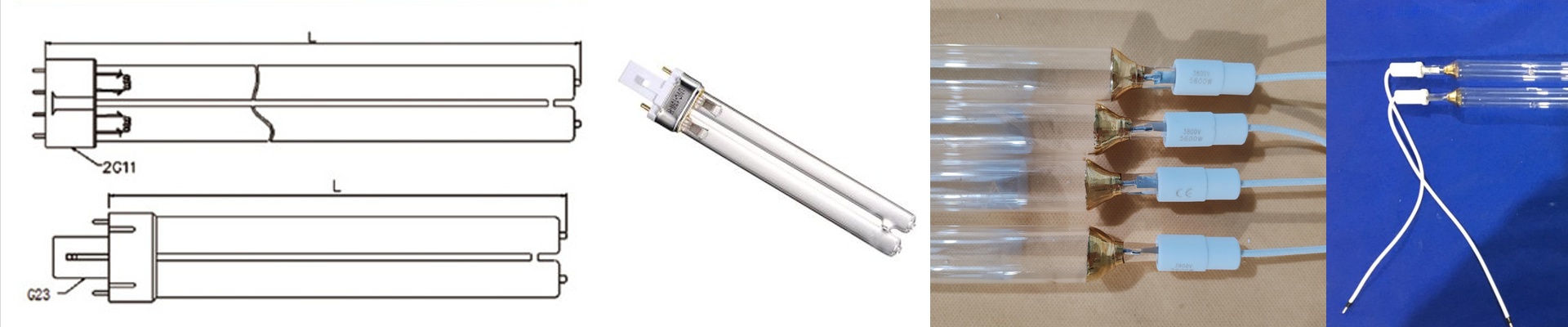
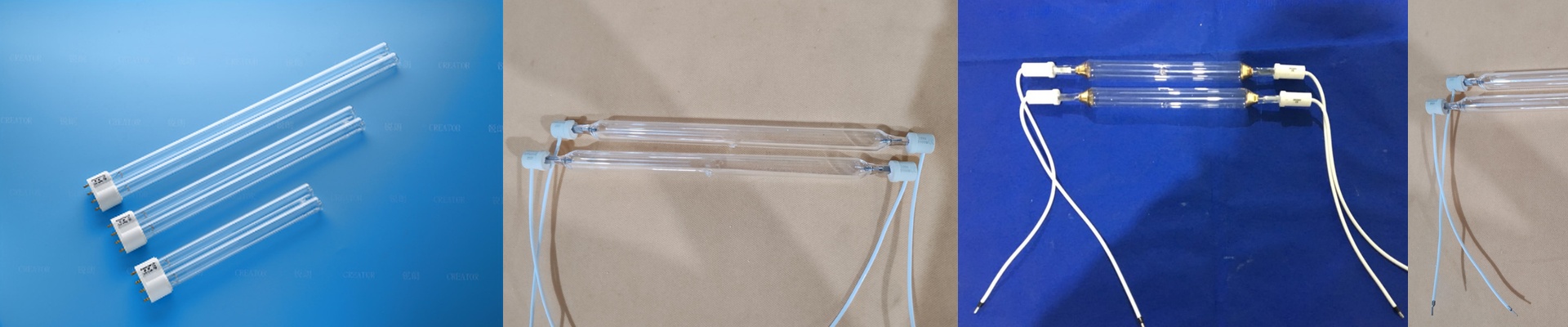
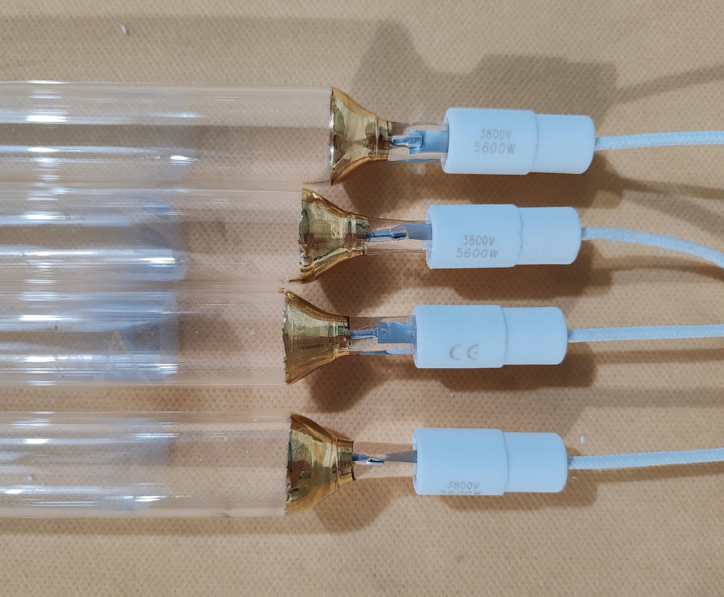
After walking through close to 3,000 printing plants, the pattern is impossible to miss: curing stability is what holds back press speed, not the press itself. When UV output starts drifting, you don’t just get rework. You get scrap, line stops, and color that can’t be trusted. We built our lamp approach around repeatable spectral control, because in industrial UV curing, the spectral curve is what matters—not the headline wattage. What matters under the hood The Osram UV sterilization bulb is a high-pressure mercury vapor lamp, engineered to deliver a defined spectral output that leans on the UVA bands driving photoinitiator cross-linking. In real life, that means stable peak irradiance in the 365nm and 385nm region—exactly where a lot of offset, flexo, and screen UV inks are formulated to cure. The quartz envelope keeps arc stability consistent, even when you’re cycling the lamp on and off all day. And the reflector geometry plus dichroic coating are tuned to put usable energy density on the substrate, not just a hot reading down the lamp centerline. Why this holds up on a production floor On high-throughput print lines, the lamp earns its keep in uptime and process window. You can push a bit faster because the system holds curing energy density across the web, which cuts down tail-end under-cure and keeps dot gain from drifting. Power use drops, too, because reflector efficiency focuses usable UV onto the ink instead of dumping it as heat. Equally important, you stretch lamp life by controlling output degradation, which means fewer change-outs and a maintenance schedule you can actually plan around. The details you can’t skip This is an ozone-free design, but thermal management is still non-negotiable. Pair the lamp with the specified ballast and cooling airflow so junction temperature stays within limits—otherwise, spectral stability and service life will both take a hit. Before swapping it into an existing UV unit, confirm fixture compatibility: connector type, arc length, and reflector alignment.