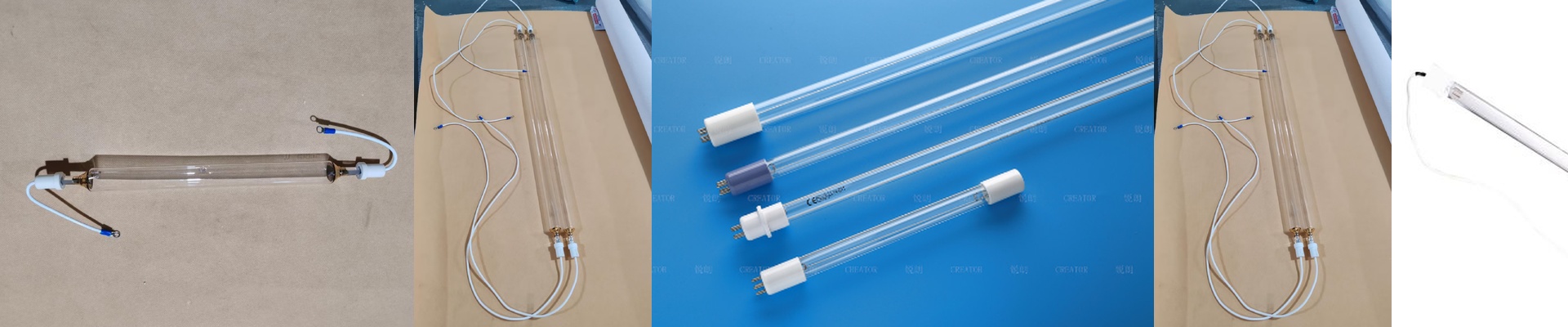
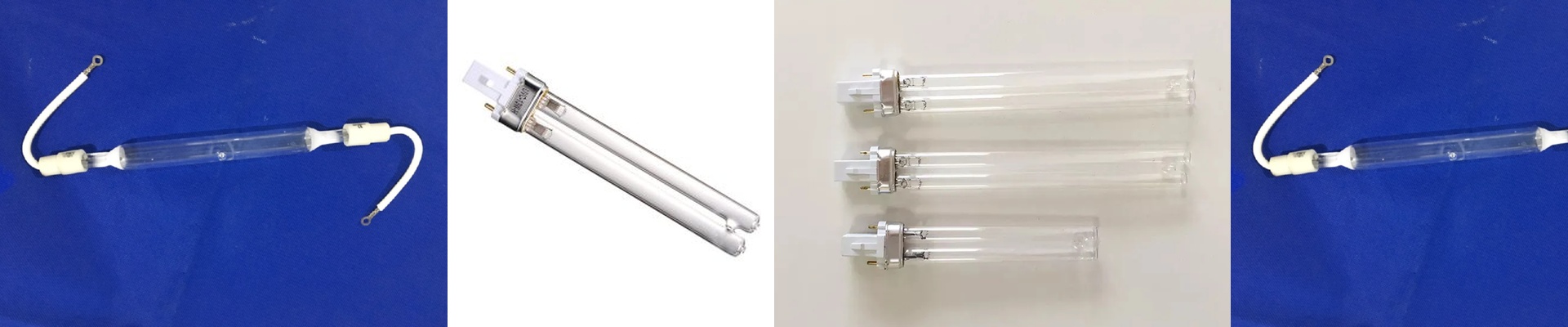
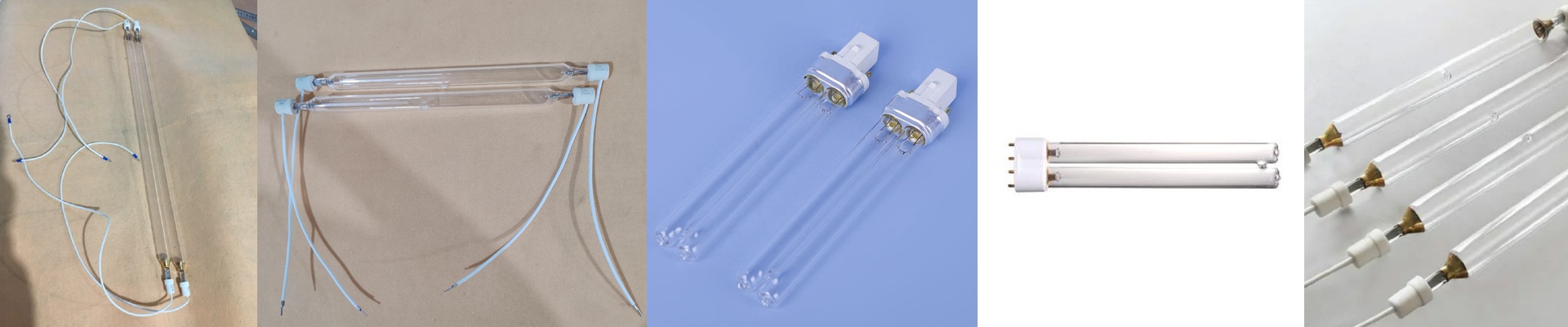
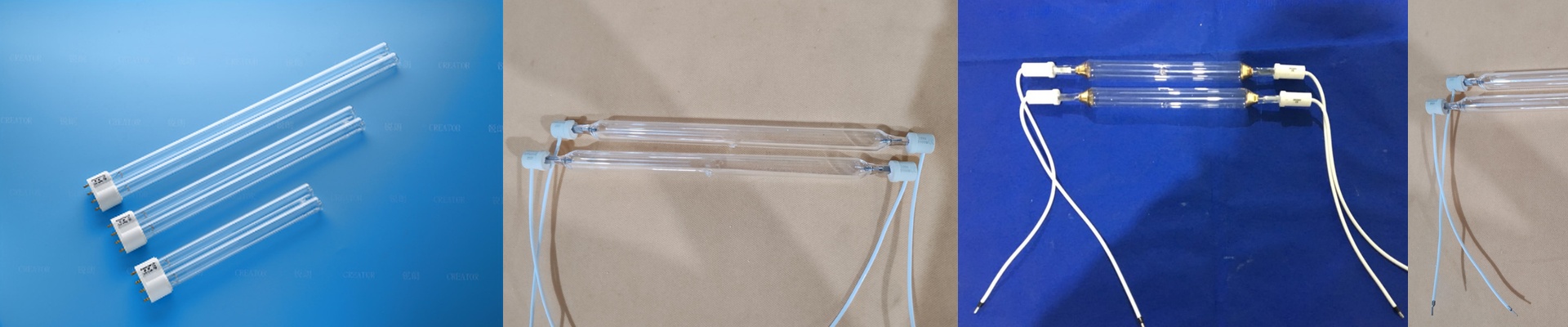
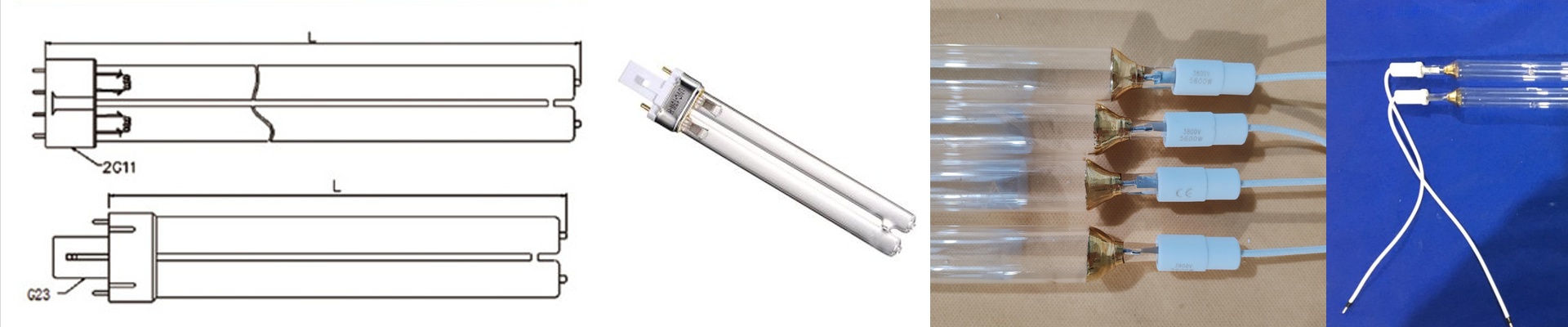
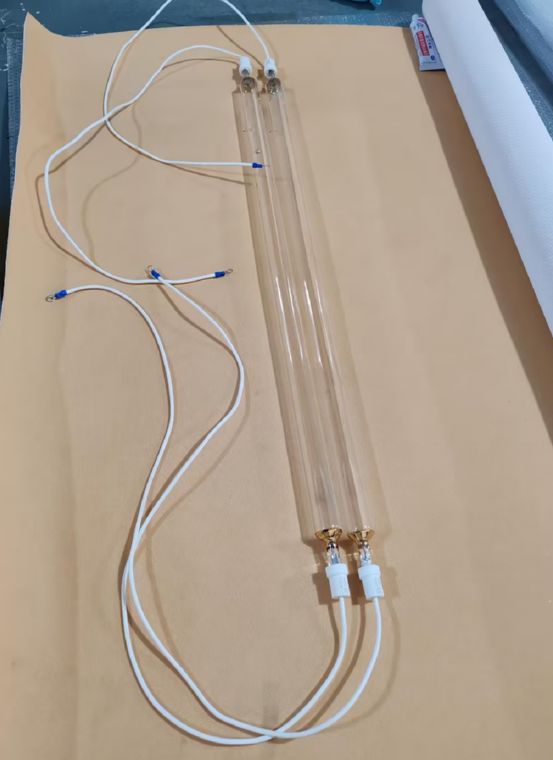
On the floor, electronic potting lives and dies by seconds and millimeters—cycle time, cure depth, the whole deal. Undercured potting gives you micro-cracks, delamination, and failures that show up in the field. Overcure stresses the parts. The lamp has to deliver repeatable energy, not a hunch. What matters under the hood We build these UV curing lamps around the 365nm mercury vapor line, because that’s the wavelength that lines up with the photoinitiators in most epoxy and silicone potting compounds. Peak irradiance is tuned to 12–16 W/cm² at the arc length, so you land a delivered energy density of 3–6 J/cm² at typical pass speeds. The quartz arc tube runs with a dichroic-coated reflector to shape the spectral output and keep IR heating in check. Substrate temperature stays under 65°C in most fixtures. Output stability holds within ±2% over the lamp’s 3,000-hour rated life, measured at a fixed 10mm working distance with a calibrated radiometer. Why this works in production We keep engineering intact and control costs in-house, so the price doesn’t come at the expense of the design. The result is a lamp that cures potting faster, with deeper through-cure, and a consistent, tack-free surface. Stable spectral output cuts rejects caused by lamp aging swings, and the ozone-free design makes ventilation simpler in enclosed equipment. In practice, you can push higher line speeds or run thicker bead profiles without dumping extra heat onto sensitive PCBs. The practical details you’ll want to line up Match the reflector geometry and active length to your fixture window. A 10mm working distance is typical, but the optics change the dose curve, so don’t assume. Confirm power supply compatibility—these lamps draw 300–600W and need stable ballast current. Expect a warm-up period before intensity plateaus. Schedule intensity checks at 100, 500, and 1,000 hours to catch end-of-life before output drifts below spec.