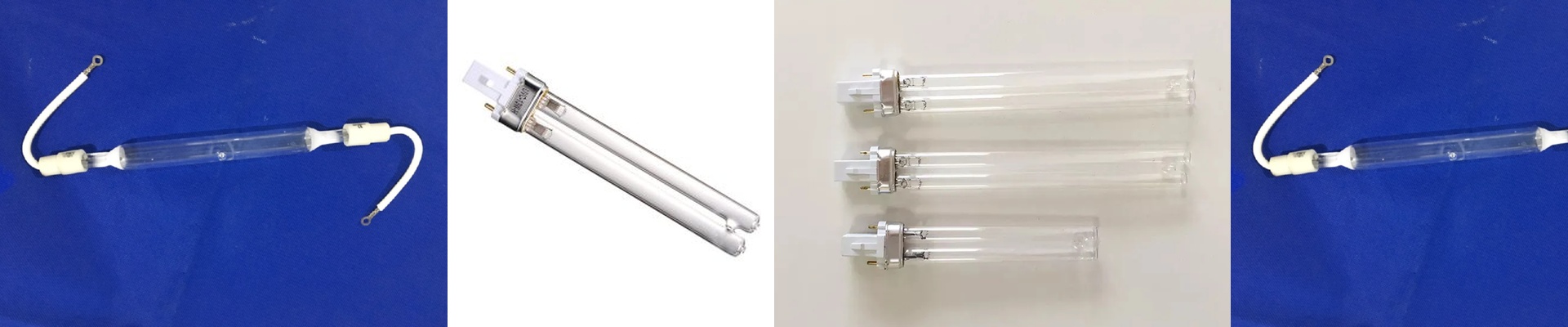
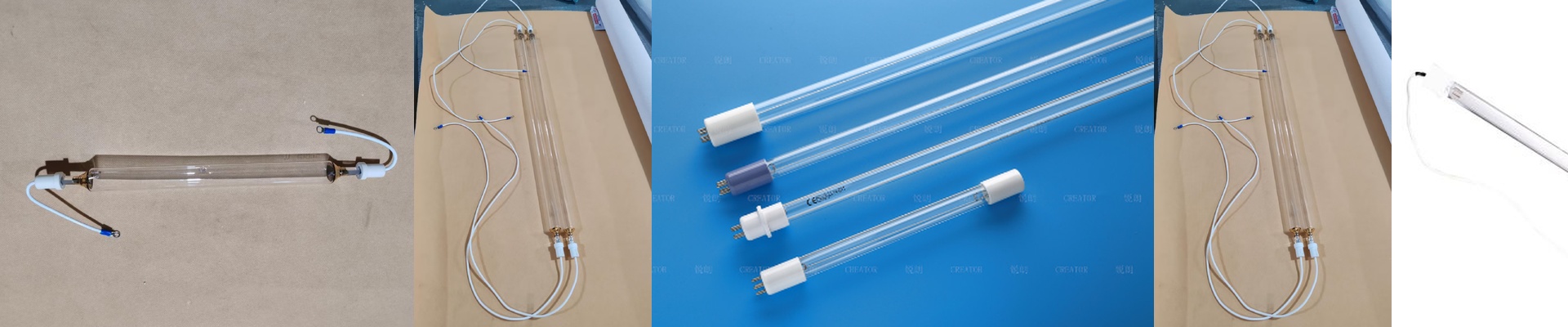
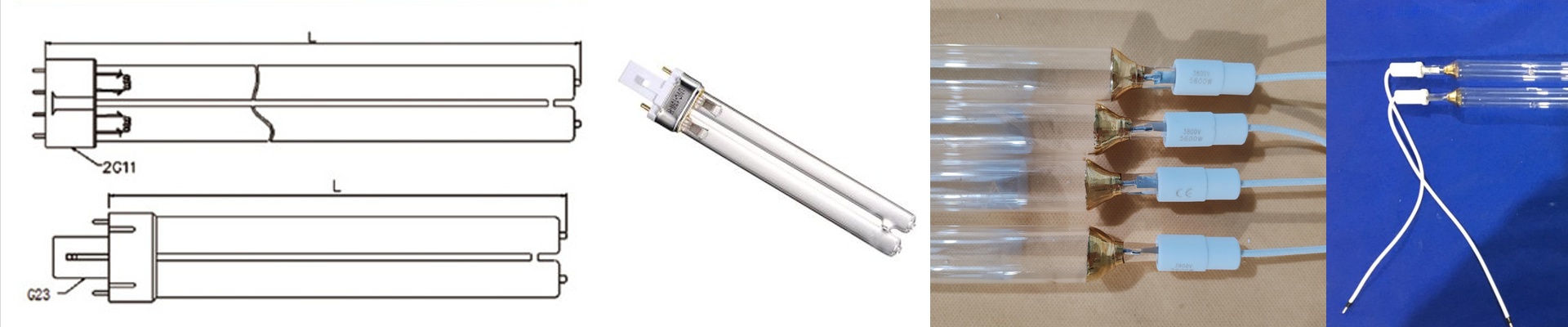
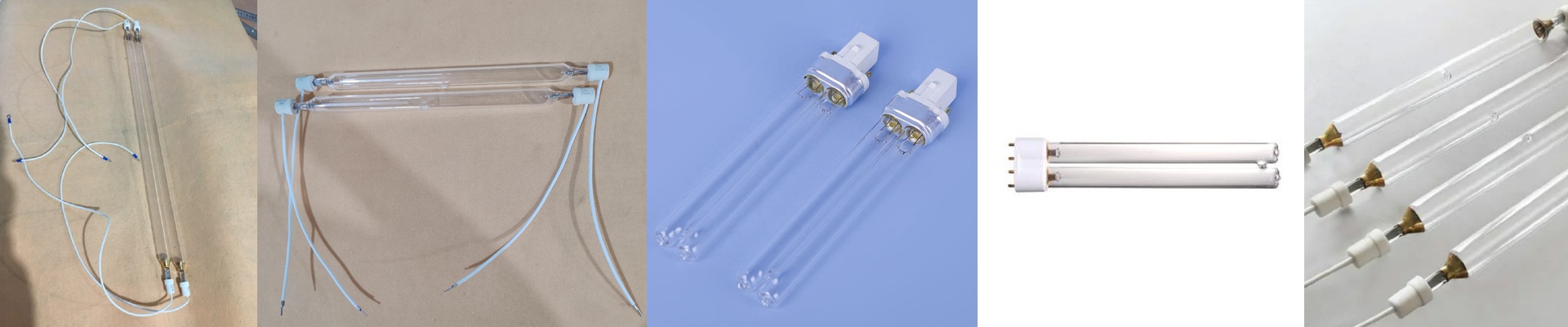
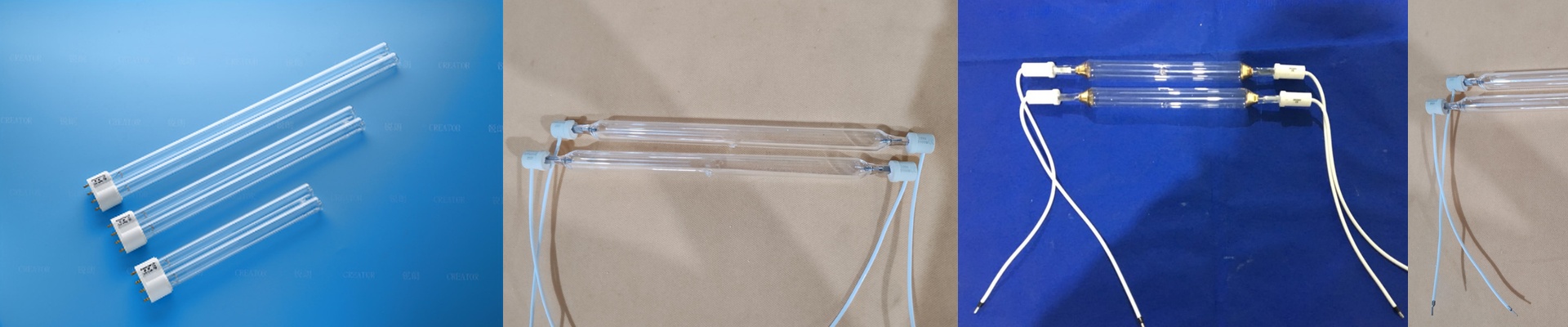
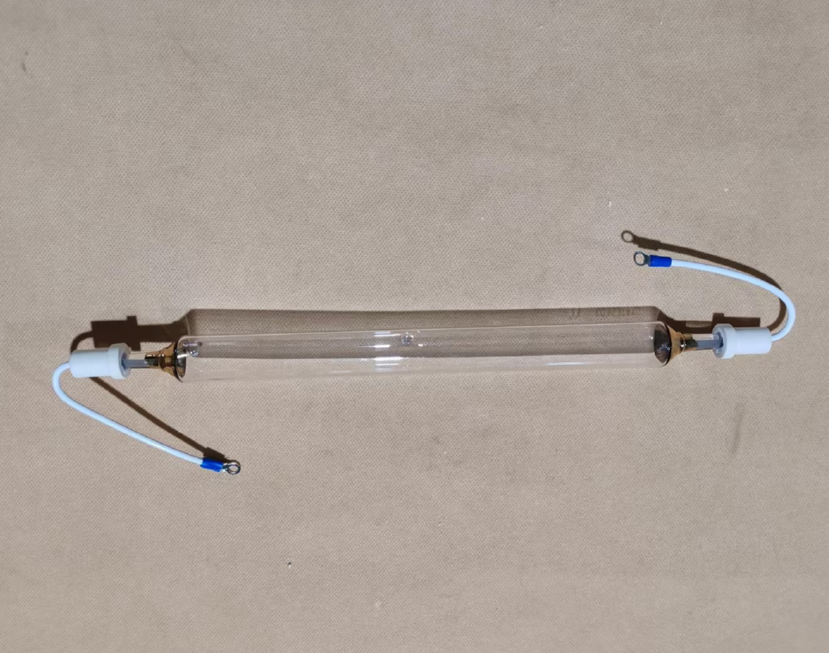
In water treatment, there’s no room to play catch-up. One pass through the line has to deliver disinfection you can count on, without adding dwell time or bulking up the footprint. If you’re leaning on heat, chlorine, or older UV setups that can’t hold intensity when flow changes, you’re leaving throughput on the table—and you’re flirting with microbial breakthrough. What matters under the hood The capillary UV lamp we’re talking about is built around a compact, high-intensity UVC emitter, designed to sit right in the flow path. The geometry focuses output where it needs to be, giving you high peak irradiance at the target plane. In real-world terms, that means enough fluence hits microorganisms within a short dwell window—seconds, not minutes—so you can disinfect continuously, in-line. It’s an ozone-free UVC source, so you don’t have to worry about extra byproducts loading up downstream filtration. And output stays stable because the arc path is controlled and the thermal design is built for continuous duty, not intermittent cycles. Why it fits the way water lines actually run Water lines don’t stop to make your disinfection step convenient. Flow varies, and the process has to keep up. The capillary approach keeps the UVC source tightly coupled to the fluid path, so intensity stays high even when throughput ramps up. That gives you repeatable microbial inactivation on the second scale: bacteria, viruses, and protozoa get neutralized as they pass, without chemical dosing or heat exchange. That translates into faster line speeds, a smaller footprint, and fewer moving parts in your quality control. For engineers running integrated systems, validation gets simpler because the dose-response is more predictable when exposure is consistent and immediate. Here’s what you need to get right on install and upkeep Fluid dynamics can’t be an afterthought. The lamp hits its numbers when the flow profile is controlled and the sleeve stays clean. Scaling or filming will cut UVC transmission and eat away at delivered dose. Plan on routine intensity checks and scheduled cleaning intervals. The capillary form factor saves space, sure, but it also demands precise alignment and hardware that can hold the gap and the seal. Match the lamp to the chamber design, or the system will underdeliver—even when the lamp itself is running within spec.