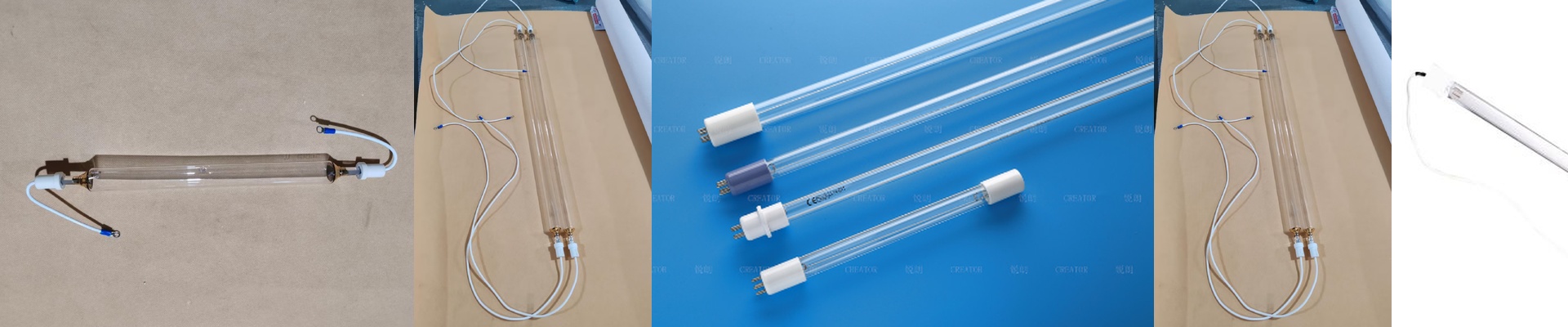
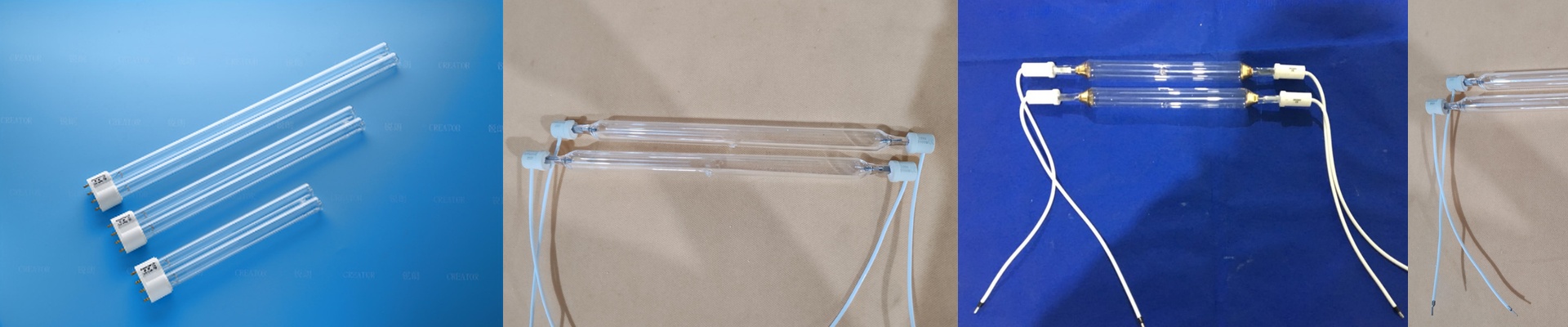
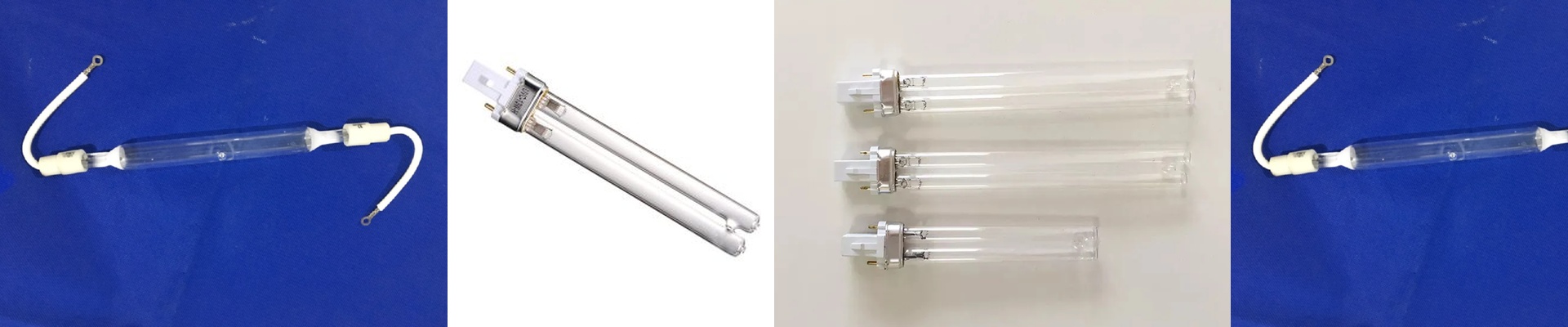
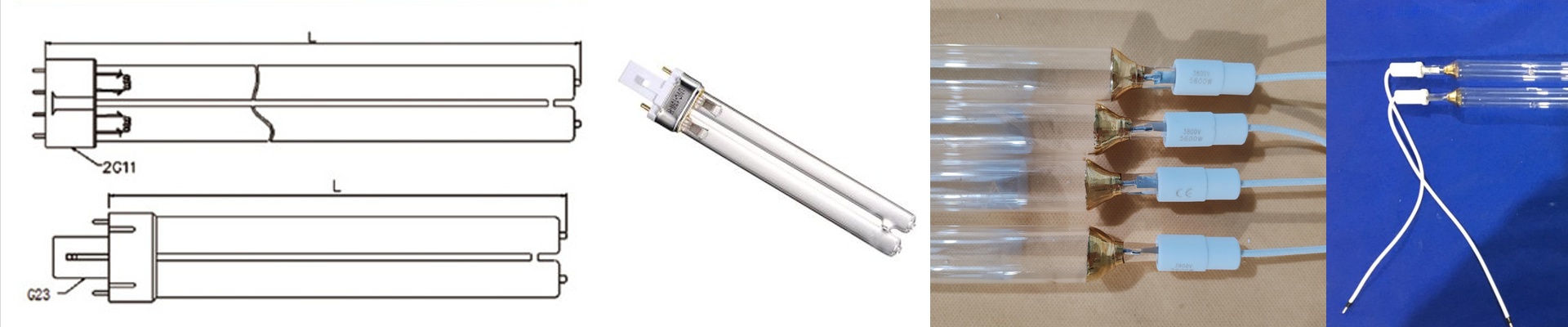
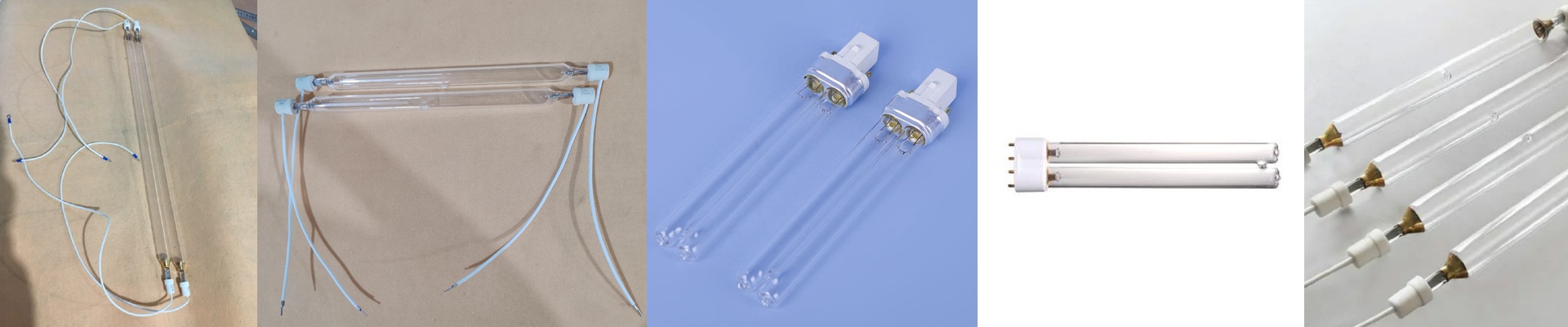
On the floor of air purification gear, the hazard isn’t something you can see—but it’s absolutely measurable. Pathogens ride the airstream, and if the disinfection stage is underpowered or mis-specified, you leave live microbes to recirculate. That’s how cross-infection risk creeps into hospitals, clinics, labs, and any high-occupancy space. In these systems, the UVC germicidal lamp is the main intervention point. The question isn’t just whether it inactivates microbes—it’s how it does it without cooking off ozone that defeats the whole point of clean air. The performance boundary is straightforward: UVC around 254 nm breaks microbial DNA and RNA. But those same high-energy photons can split O₂ and create O₃. Ozone is a lung irritant, a regulatory headache, and it chews on equipment materials. The engineering job is to maximize germicidal dose while minimizing the side reactions you don’t want.
What actually matters: spectrum, dose, and ozone
UVC germicidal effectiveness comes down to spectral output and delivered dose. A low-pressure mercury vapor lamp hits hard at 253.7 nm, which lines up closely with the peak of the germicidal action spectrum. Dose is irradiance multiplied by exposure time, and in air purification it has to be sufficient across the entire airflow path—especially at the maximum rated flow. Ozone generation is mostly about wavelength, irradiance, and the oxygen present. Photons below about 240 nm are the main driver of O₂ photolysis. So if you want to control ozone, you control the short-wavelength tail of the emission. In practice, that means a few proven moves:
- Selective filteringwith coatings that block the most ozone-forming wavelengths and pass the germicidal band.
- Lamp envelope engineeringthat nudges the effective emission profile away from the aggressive short-wave region.
- System geometrythat keeps the UVC field contained and gives predictable air exposure, so you don’t waste photons scattering onto metal and quartz surfaces where secondary reactions can happen. When we talk about controlling ozone, we’re not chasing “zero” at the cost of dose. We’re aiming for a stable, low ozone level—often specified as <0.05 ppm at the outlet under standard test conditions—while still delivering a verified UVC dose for pathogen inactivation. That only happens when lamp design choices are expressed in measurable terms: spectral distribution, irradiance distribution inside the reaction chamber, and dose maps at worst-case airflow.
Why this approach fits air purification
In air purification equipment, the UVC module sits where the air moves through at defined velocities. The failure modes are simple and brutal: under-dosing, which leaves pathogens viable, and too much ozone, which creates a new health hazard and loads the system with corrosion. Our lamps are built to keep both under control. You get a predictable germicidal dose at the target airflow because the lamp output is matched to chamber geometry. And you get a controlled ozone profile because the emission is shaped to reduce the short-wavelength driver of O₃ formation. The practical payoff:
- Consistent inactivation performanceacross the design envelope, including peak flow when residence time drops.
- Less secondary air quality risk, because ozone doesn’t build up to levels that trigger complaints, alarms, or regulatory exceedance.
- Less material stresson seals, polymers, and nearby components, which helps long-term reliability and keeps maintenance down. This isn’t about bolting on a light source. It’s about integrating a disinfection step that behaves like a repeatable engineering parameter. When lamp output stays stable, the dose calculation holds, and the system validation—microbial challenge testing included—stays valid over time.
Field realities: install, compatibility, and what trips you up
UVC germicidal performance depends on details that are easy to miss once you’re in the field.
- Lamp orientation and spacinghave to match the chamber design. UVC field uniformity comes from lamp position, reflector geometry, and the distance from the lamp to the airflow window. If the spacing is off, you get shadowed zones with low dose.
- **Quartz sleeve and window cleanliness matter.**A thin film of oil, dust, or condensation can cut transmission and shift delivered dose. In high-humidity environments, purge air or wiper options can be the difference between “fine on paper” and “fine at 3 a.m.”
- **End-of-life behavior isn’t just output decay.**Mercury vapor lamps can climb in starting voltage, show electrode wear, and darken at the envelope. Plan replacement based on measured output drift, not a calendar date.
- **Ozone readings are system-level, not lamp-only.**Outlet ozone depends on chamber design, air mixing, and residence time. A lamp with low inherent ozone generation can still read high at the outlet if the chamber lets photons linger in oxygen-rich zones. There’s a real trade-off you can’t ignore: pushing ozone lower by aggressively filtering short wavelengths can, in some designs, reduce available UVC fluence. The right way is to specify the lamp as part of the complete UVC module—matching output, filtration, and geometry so dose and ozone both hit the target. If you’re qualifying a UVC germicidal lamp for air purification, specify what needs to be proven: germicidal dose at maximum airflow, outlet ozone concentration under standardized test conditions, and long-term output stability. We supply the lamp; you integrate it into the chamber with the same discipline you apply to airflow and filtration.