Technical Deep-Dive: Power, Voltage, and Dimensions
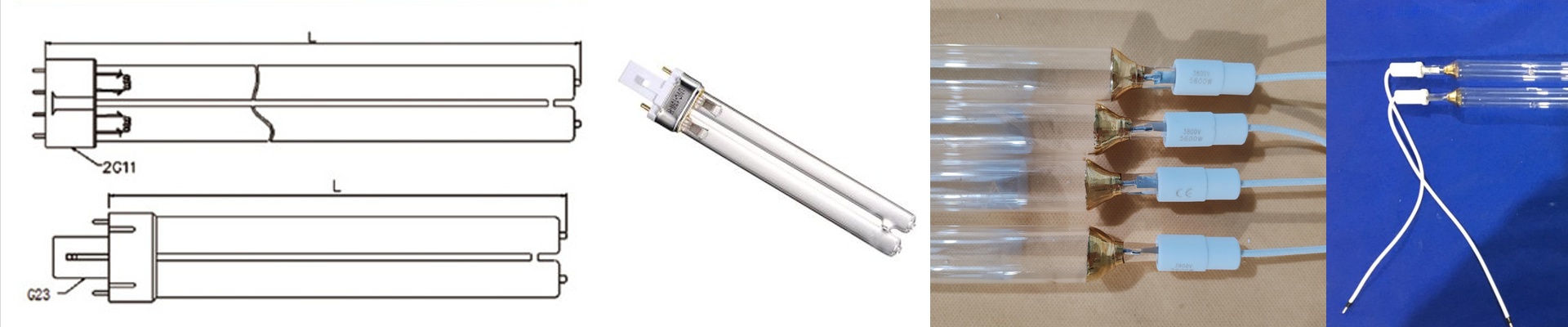
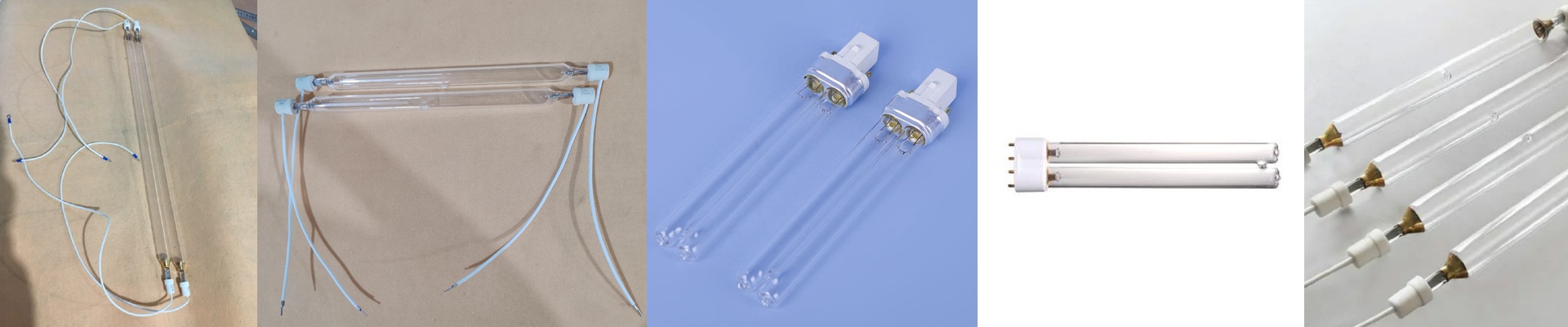
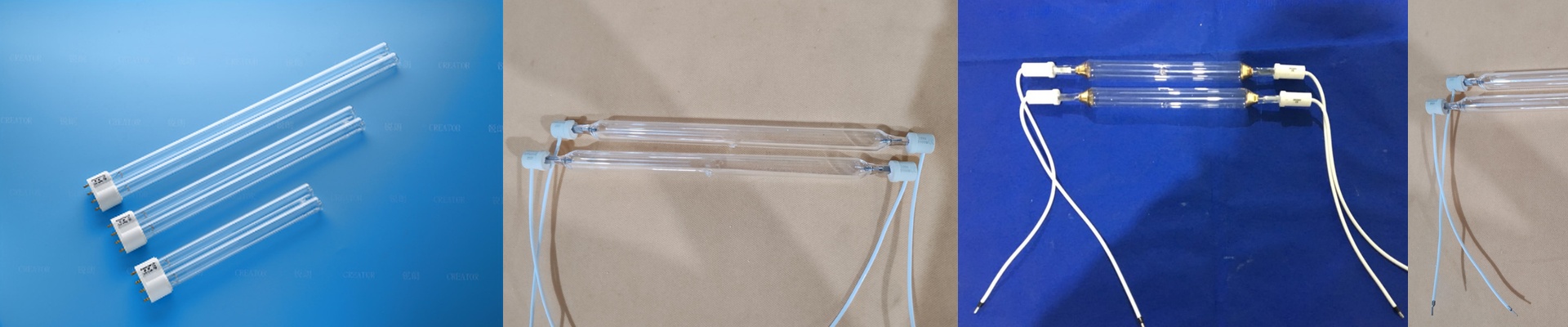
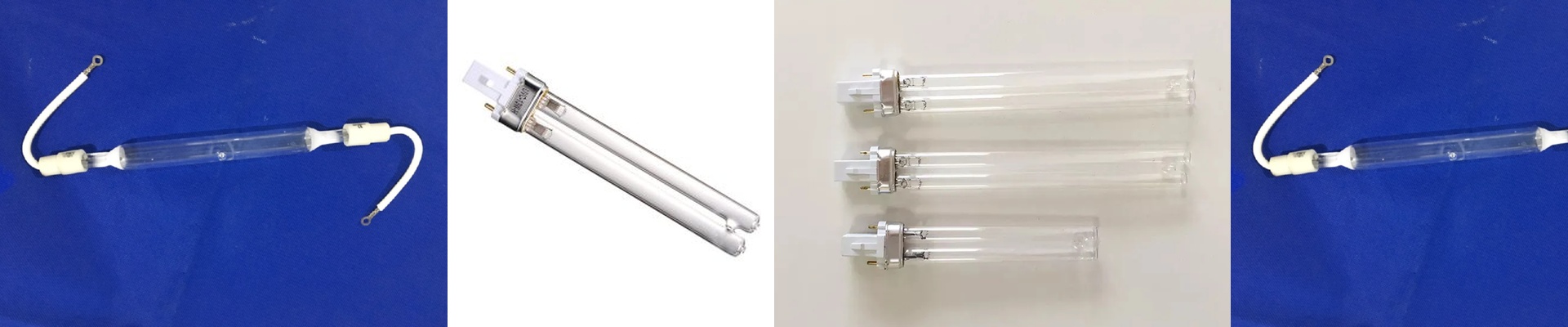
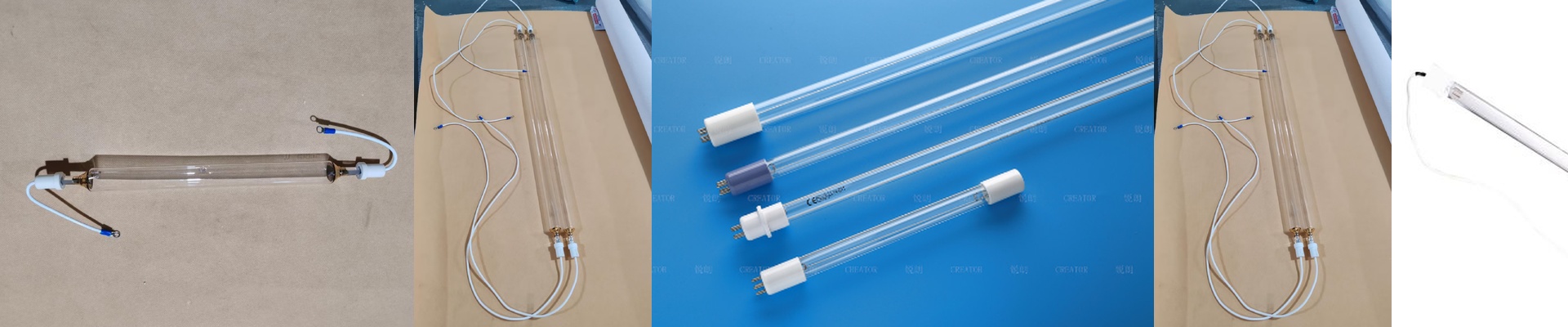
When we build UV lamps—mercury or gallium—we’re not just throwing specs on a page. These numbers are the backbone of what the lamp actually has to do. That 400V input? It’s there so the arc starts clean and stays steady, day after day. No fuss. No flicker. Just dependable ignition and consistent performance over the life of the lamp. And the wattage rating? That tells you how much punch the lamp can pack. More energy density means more heat and more UV—exactly what your curing or drying process is asking for. Then there’s the size. The length of the tube isn’t just about fit—it’s about making sure the lamp and reflector work as one. We match the lamp length to the reflector cavity so nothing gets lost in the gap. It’s how you keep the system tight, efficient, and focused.
Material & Design: The Physics of Output
Choosing between mercury and gallium comes down to what you need on the line. Mercury gives you a broad UV spectrum—great for general-purpose intensity. Gallium shifts the output toward longer wavelengths, which is ideal when you need to cure deep layers on thicker materials. The quartz envelope is the unsung hero. It handles the brutal heat of the arc so the lamp can keep delivering. But the real magic happens in the reflector geometry. We shape the parabolic profile and tune the surface finish to steer as much radiant energy as possible onto the target. It’s not just about reflectivity—it’s about controlling the beam angle so you get higher spot density. More usable energy per square millimeter. What does that mean for you? You can run faster line speeds or cure thicker coatings without having to crank up the power.
Application & Benefits: Real-World Performance
Out on the shop floor, this setup translates into speed and less wasted energy. The focused beam lets you shrink the heated zone, which lowers the thermal load on the rest of your machinery. That makes integration simpler and cuts down on cooling demands. Here’s the trade-off, though: concentrated energy creates heat. The lamp runs hot, and the reflector assembly follows suit. So your cooling system needs to be spec’d to match. If you can manage the heat, you get a tough, high-output solution that fits into a smaller footprint and keeps delivering consistent results. And if your system is already built around these power and dimension standards, it’s a straightforward upgrade—drop it in and get to work.