Introduction
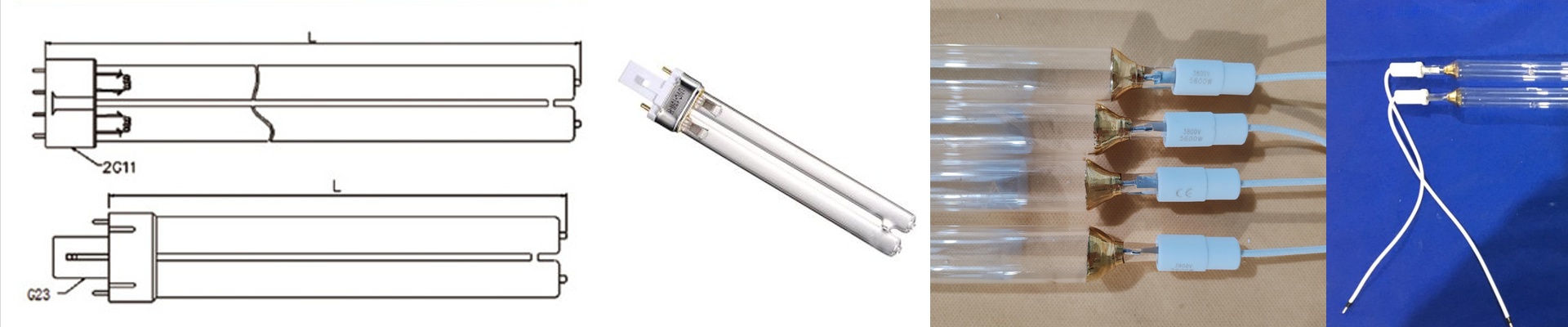
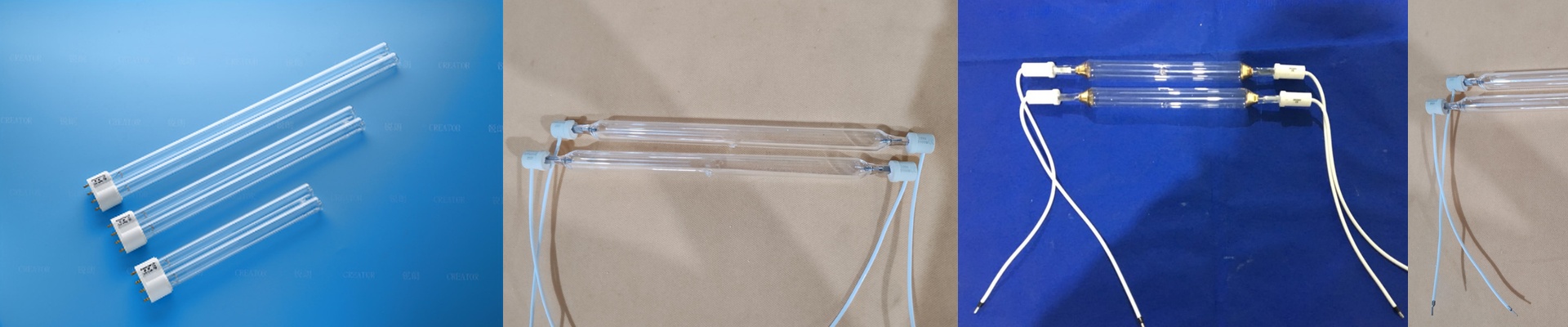
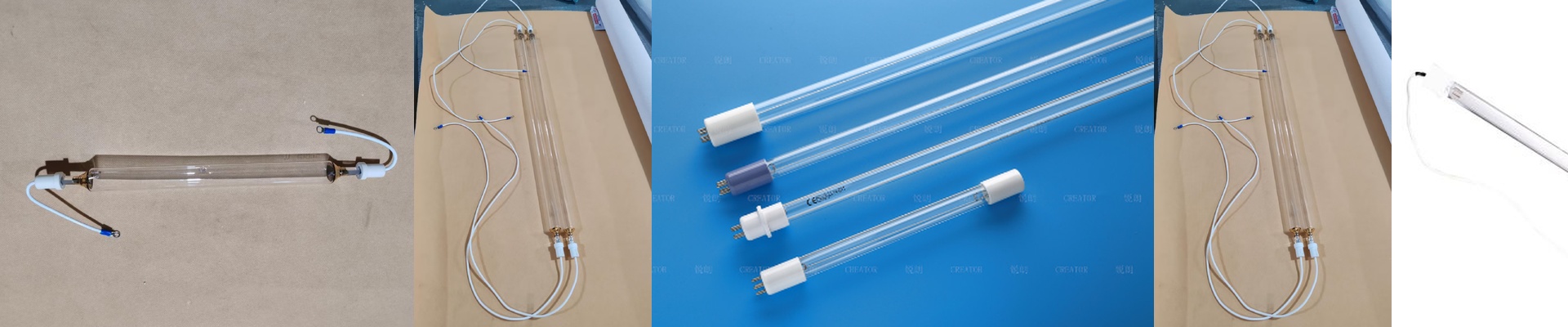
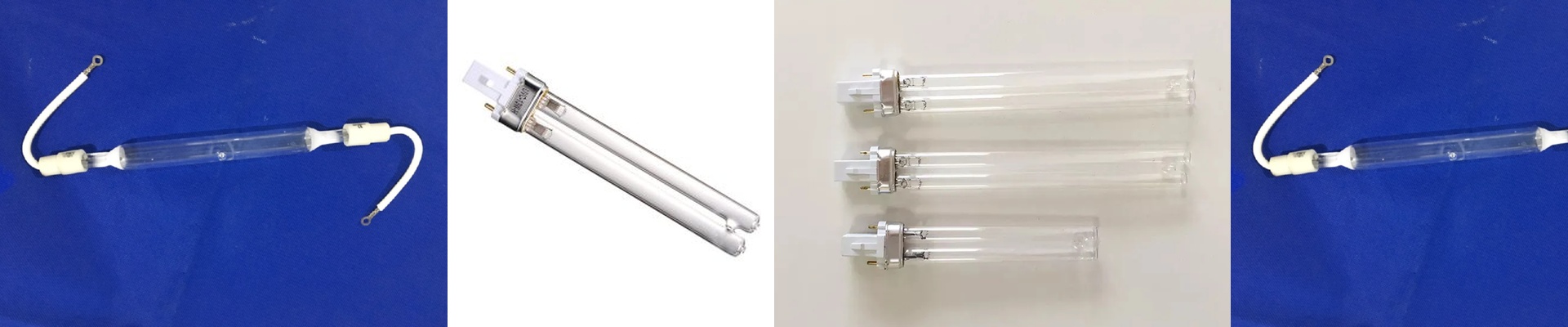
When you’re running lab tests, getting a steady dose of UV light isn’t optional—it’s the whole point. And what your lamp is made of? That’s the make-or-break detail. That’s why we build our UV lamps with 99.99% pure quartz glass. Any impurities in the glass just get in the way—they block the UV, mess with the output, and shorten the lamp’s life. In a lab, where you need the same results, day after day, that level of purity isn’t a luxury. It’s the price of admission.
Getting to the Heart of It
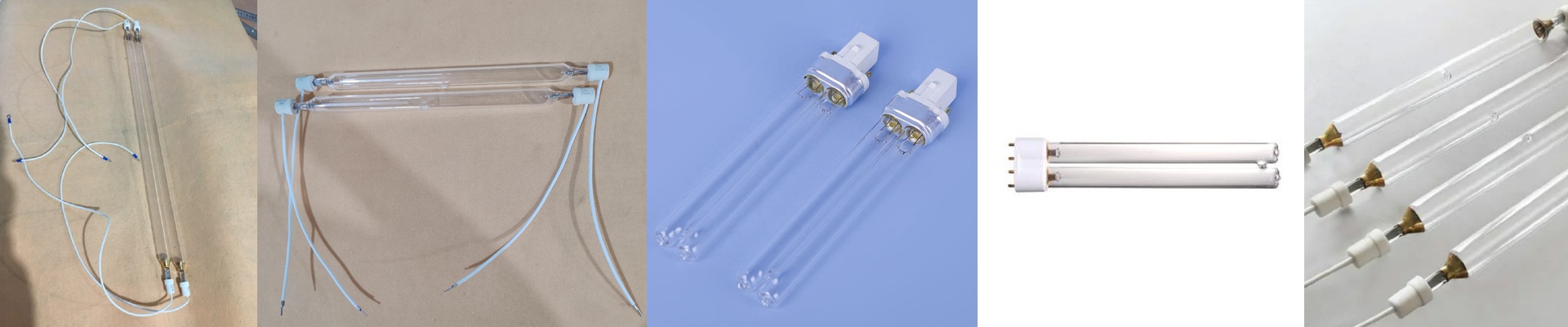
UV lamp performance starts with the basics—how it handles electricity and heat. We size the tube to pack the UV punch you need into a small space. That means balancing wattage, voltage, and length so you get high output without pushing the socket or wiring past their limits. But here’s the catch—high output means high heat. And if your fixture can’t shed that heat, your output starts to wander, and the parts wear out faster. So when you plan your power, you have to plan your cooling just as carefully. They’re two sides of the same coin.
The Material That Makes It Work
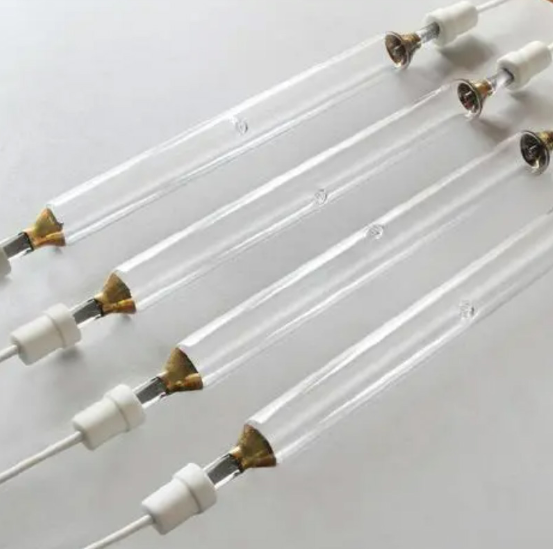
The quartz envelope is where the magic really happens. At 99.99% pure, the glass barely absorbs any UV, so the lamp’s output stays steady over time. Impurities—especially metal ions—act like roadblocks. They eat up the UV, create hot spots, and speed up the glass breaking down. We pair that pure quartz with a stable UV-emitting fill and a tough filament or arc design. The payoff? Consistent performance, run after run, even when the lamp keeps turning on and off.
Why This Matters in Your Lab
In the lab, your UV lamp isn’t just a light—it’s a measurement tool. A lamp built with 99.99% pure quartz gives you the kind of steady spectral output that leads to steady test results. You get a reliable baseline, fewer calibration headaches, and less time chasing drift. Now, it’s not all perfect. High-purity quartz is more delicate—it doesn’t love being bumped around or stressed by sudden temperature changes. Treat it like the precision tool it is, and make sure your fixture is built to handle the heat. Do that, and you’ll get a UV source that performs on the bench exactly the way it’s supposed to.