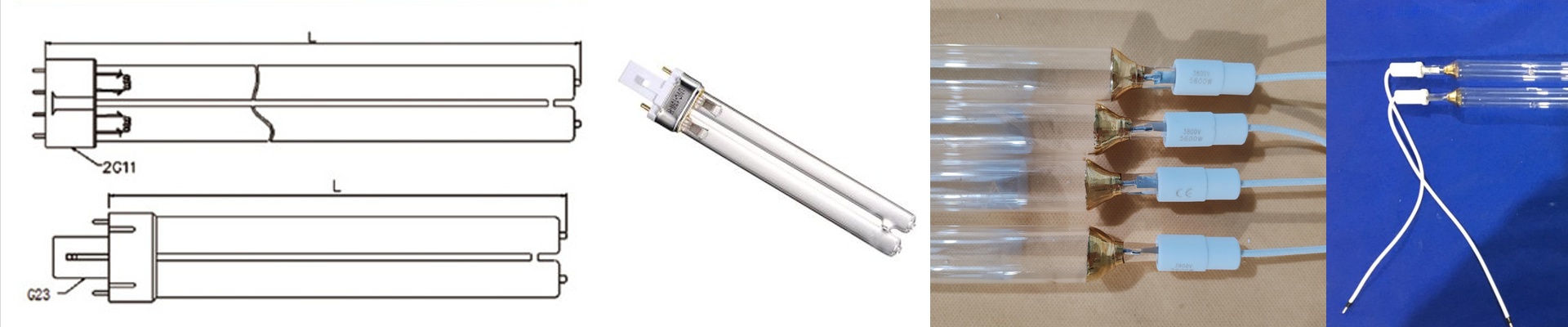
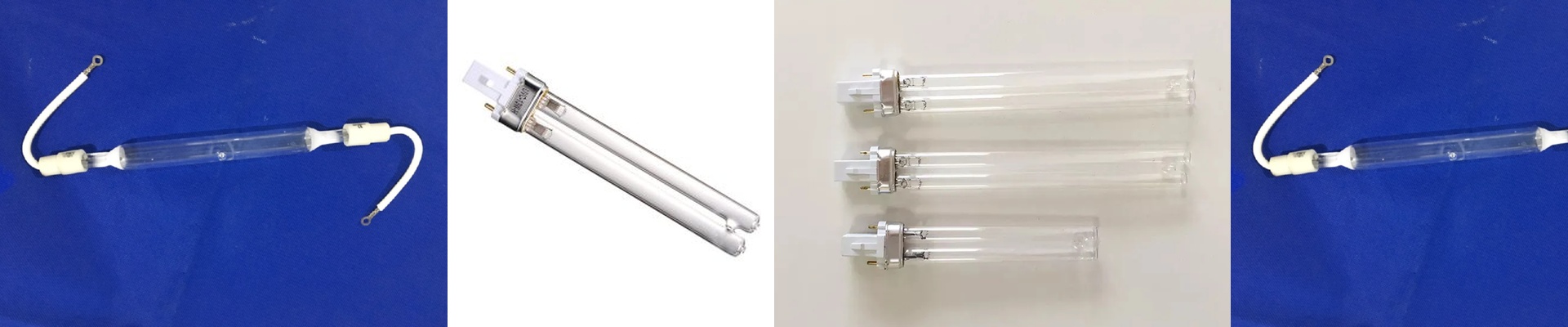
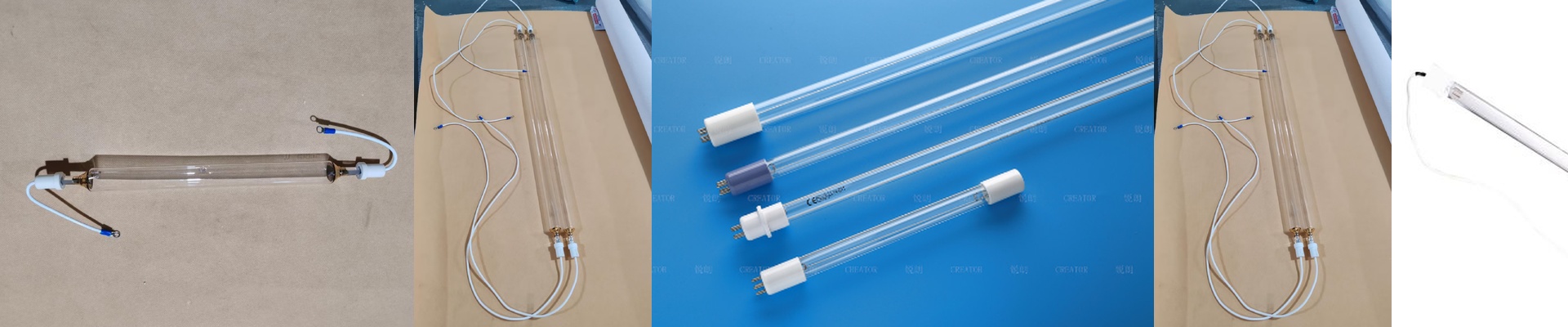
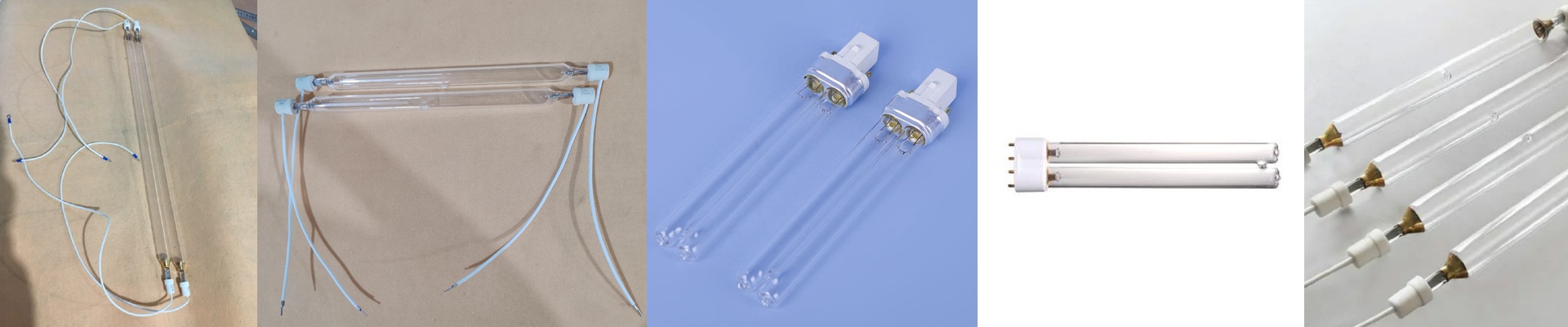
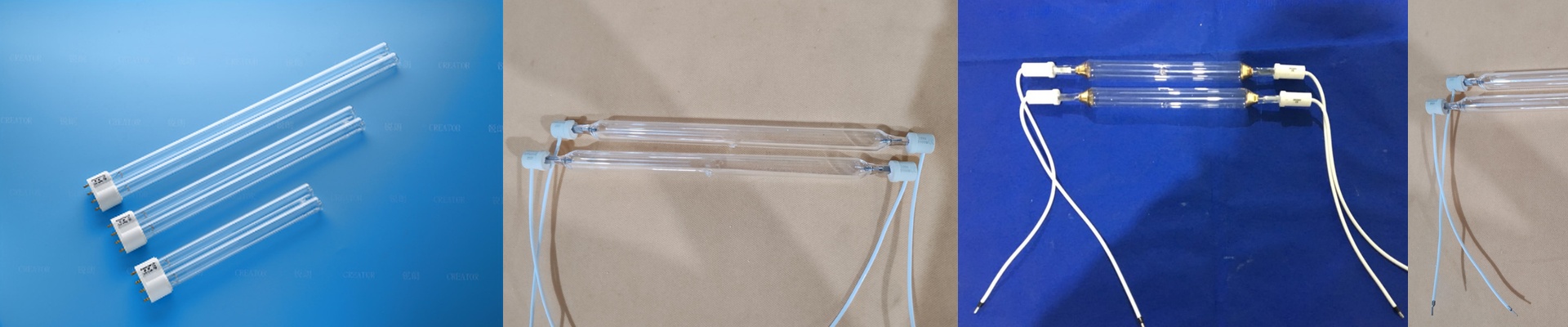

On the press, thick screen or flexo builds don’t get cured by a surface-only zap. You get a skin on top and a tacky bottom, and then the layers let go—blocking and adhesion failure show up fast. You need penetration. Full cross-linking, substrate to top coat, or the job falls apart. What matters under the hood Metal halide gallium UV lamps are built around a specific spectral output, with strong emission at 365nm and solid energy around 385–395nm. That mix reaches deeper than short-wave UV alone, so photoinitiators get excited all the way through the ink column. Specify peak irradiance across the arc length—typically 800–1200 mW/cm² at the focal plane—and hold it across the full print width. A dichroic-coated reflector keeps spectral control tight and gives you uniformity. Dose is set by power density, lamp-to-substrate distance, and dwell time. For thick builds, 500–1200 mJ/cm² is a practical window. Stability matters as much as peak output: we tune arc stability so intensity variance stays under ±3% over lamp life. That’s how cure consistency tracks with your run speed. Why this is the right tool for thick layers Thick-layer printing stacks 200–500 μm or more. A conventional mercury lamp can top-cure fast, but the bottom stays under-cured—adhesion goes south and edges lift. Our metal halide gallium lamp pushes energy through the whole stack, so the bottom cures in step with the surface. You get full cross-linking, better abrasion resistance, and you can hold faster line speeds without giving up cure depth. Fewer rejects, less rework, and you don’t have to throttle the press when the build gets thicker. The details that bite you if you ignore them These lamps are fussy about fixture matching. Match the arc length to the print width, and confirm reflector geometry and lamp-to-substrate distance with a radiometer. They deliver higher instantaneous power, so verify power supply capacity and make sure cooling is adequate. Overheating shortens lamp life and pushes the spectral profile off. Run at the recommended voltage and current, and schedule periodic intensity checks to compensate for the natural output decay.