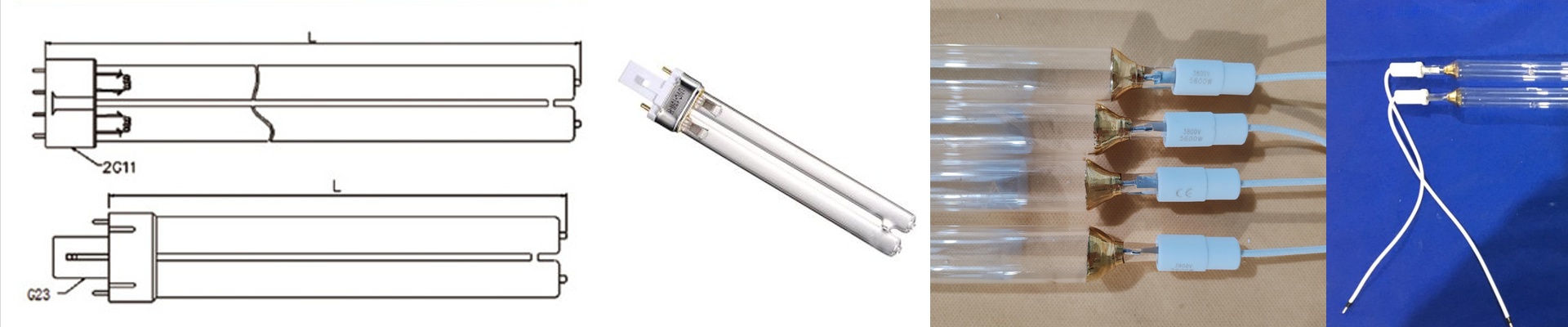
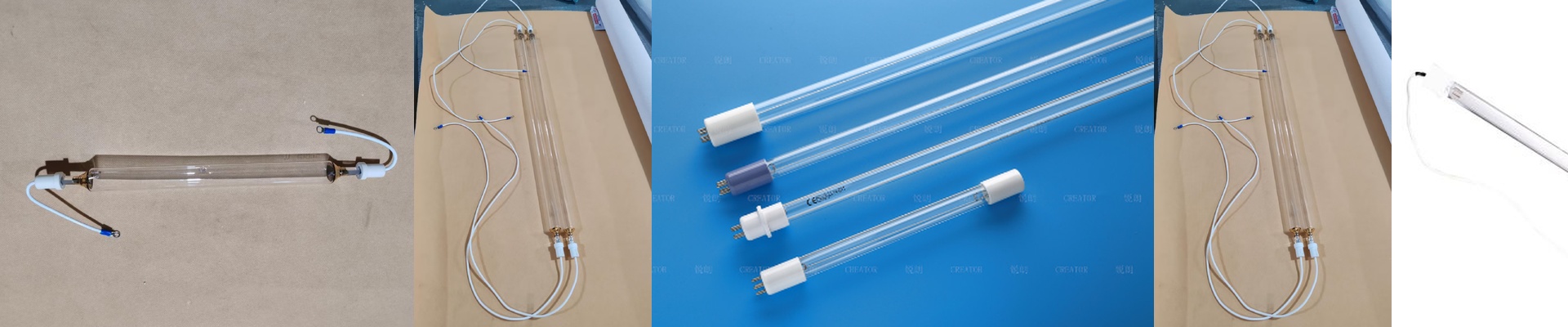
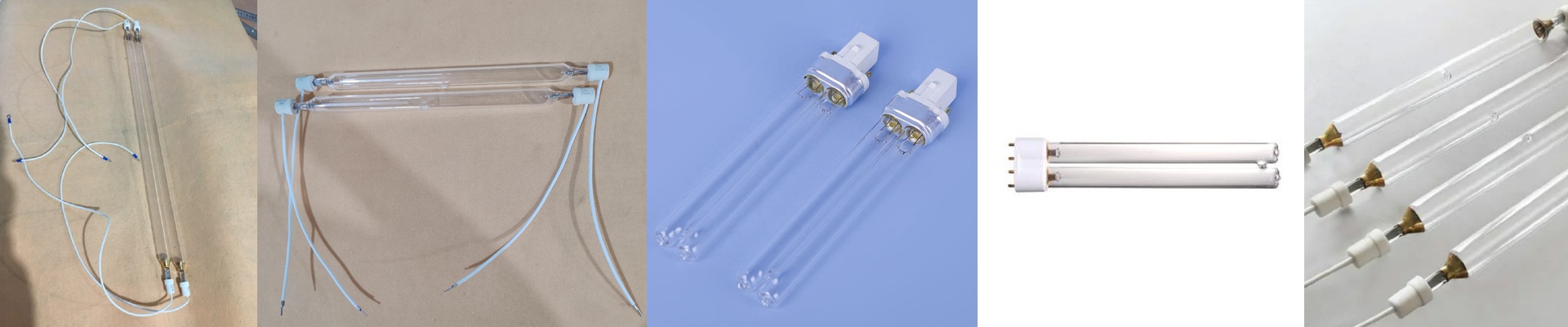
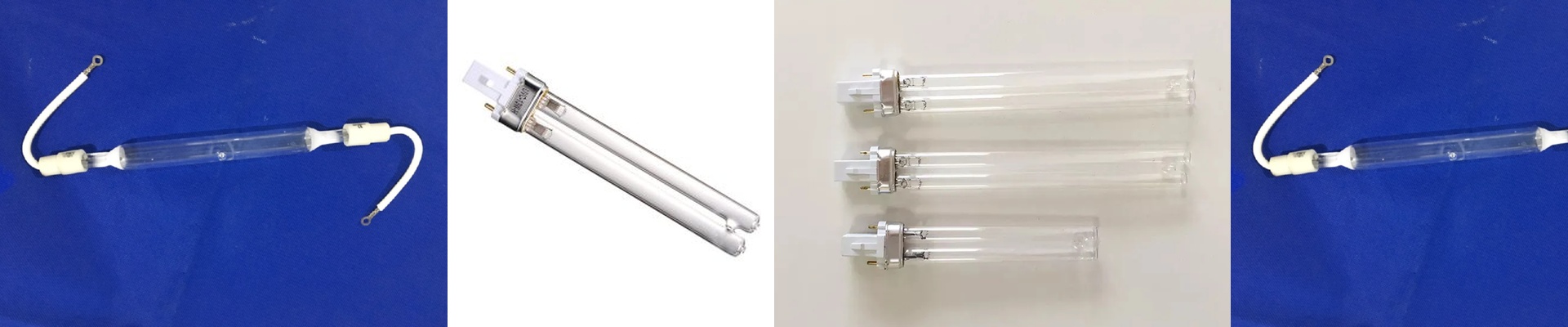
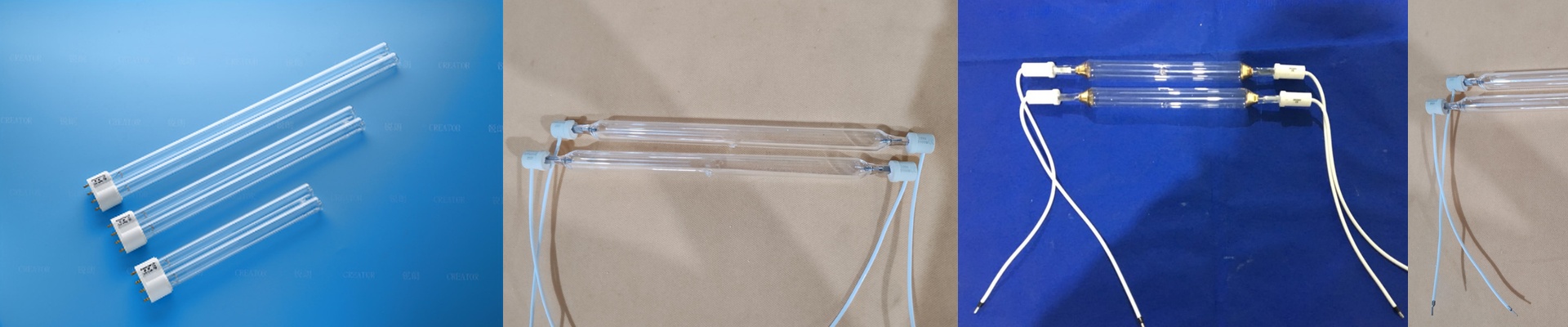
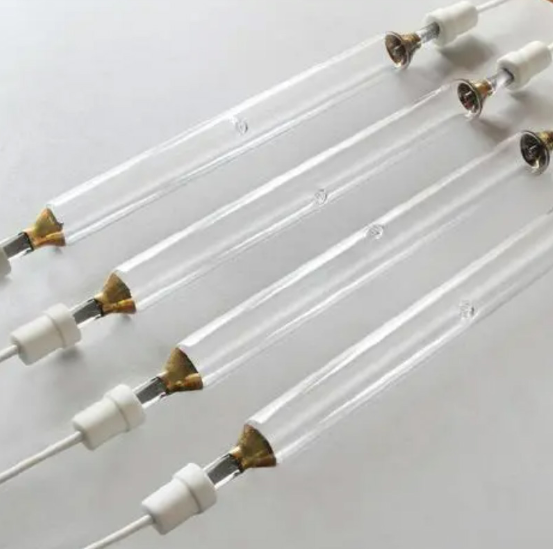
On a PCB line, a micron of under-cure in the solder mask is enough to bridge fine traces and turn a board into scrap. The original mercury lamp can’t hold peak irradiance over thousands of cycles, and when output starts drifting, you see adhesion loss and marginal cross-linking. We built our replacement mercury UV lamp to keep spectral profile and energy density steady, shot after shot, so the photoinitiator in the solder mask cures uniformly—even between 50 μm lines. The technical part is easy to measure and impossible to bluff. The lamp holds stable output in the 365 nm band, where most solder mask photoinitiators are tuned, delivering consistent peak irradiance and curing energy density across the substrate. The quartz arc tube and reflector geometry keep the beam profile locked in, so dose repeatability is predictable. Expect 8,000+ hours of stable life, with output drop below 5% over the first 5,000 hours—meaning fewer lamp swaps and less process drift. Here’s why it works in real PCB solder mask curing: you need high intensity without hot spots. Stable 365 nm output and a tight focal pattern give uniform cross-linking across the board, even at high line speeds. The payoff is fewer pinholes, better adhesion on micro-features, and consistent surface cure without overheating the laminate. Energy draw is lower than legacy systems, and the ozone-free design makes ventilation simpler. Before you install, verify the reflector’s dichroic coating and the shutter cycle. Matching lamp base, arc length, and electrical interface matters—otherwise you lose peak irradiance and end up with mismatched beam angles. Run outside the specified voltage window and you shorten lamp life and skew spectral output. After the first 200 hours, plan a quick spectral radiometer check to confirm dose stability.