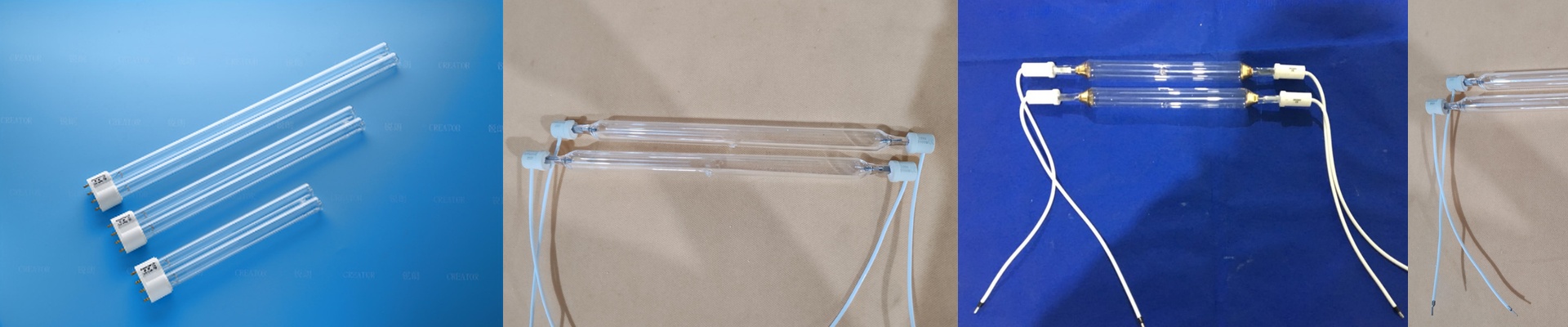
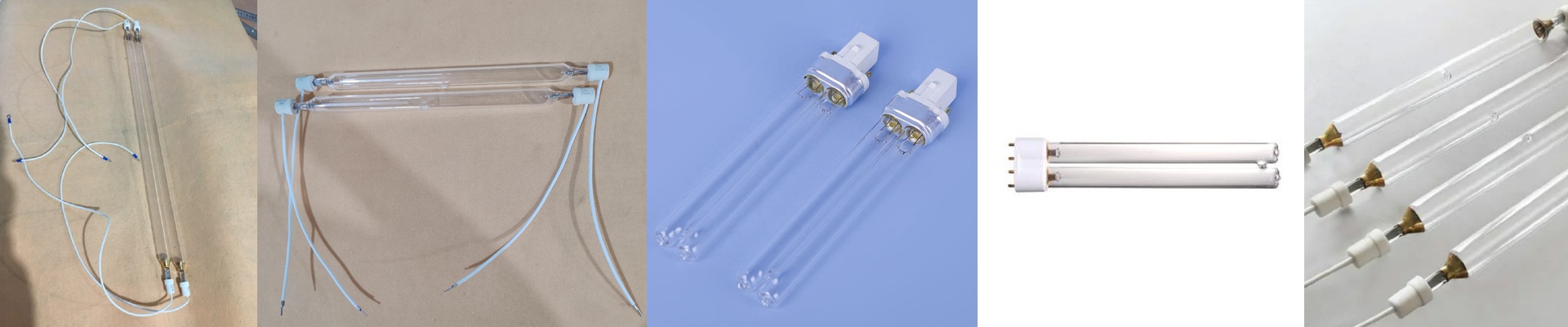
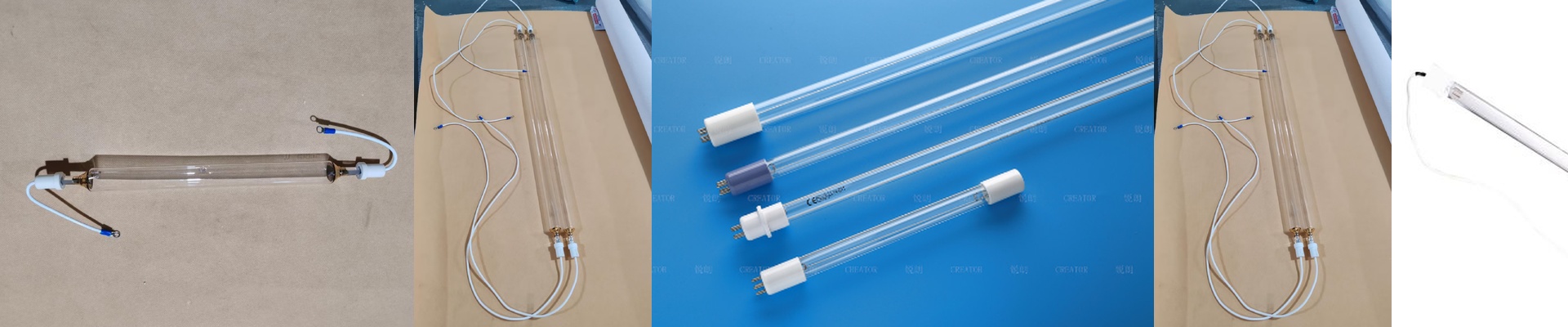
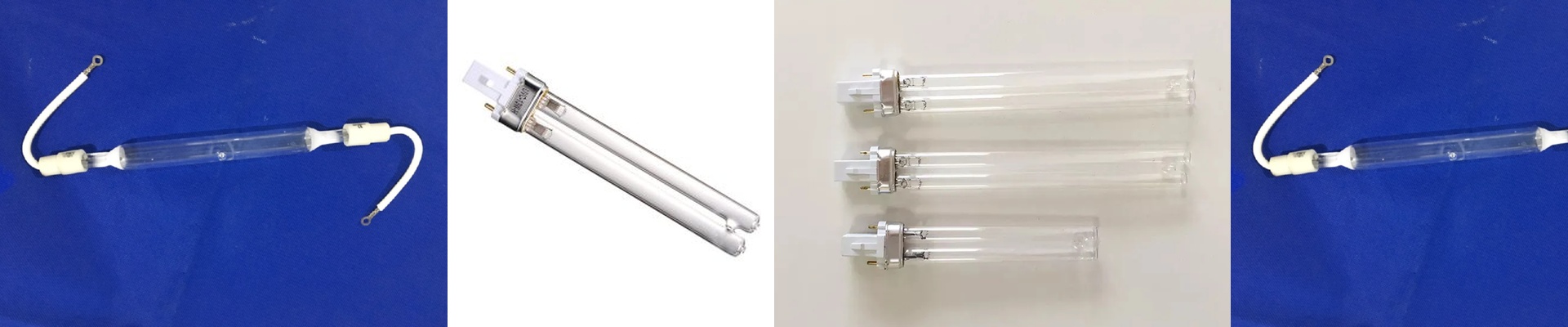
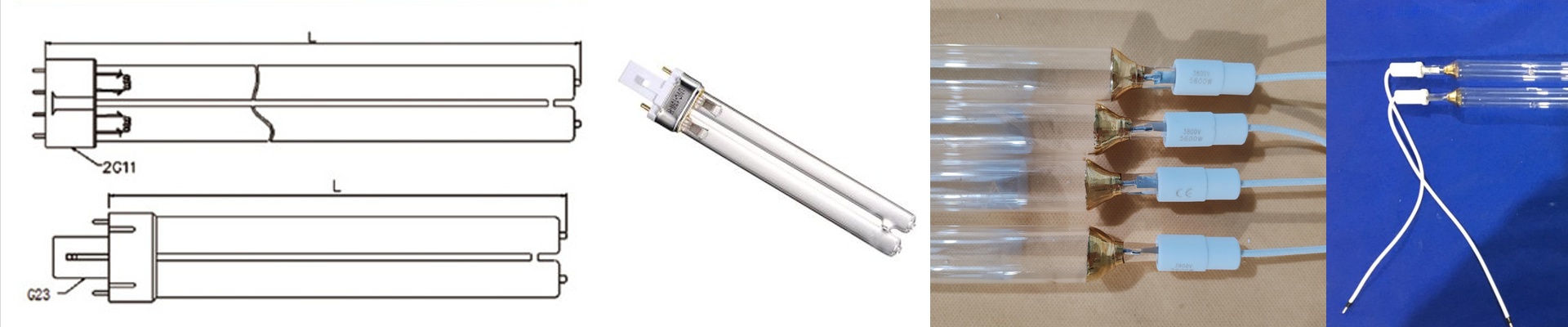
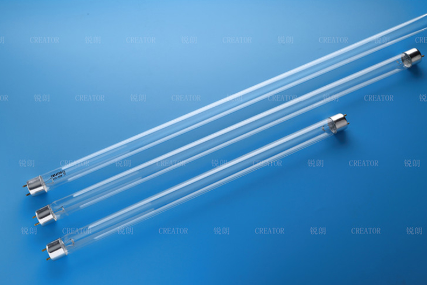
On the floor, a dead UVC germicidal lamp doesn’t just stop one station. It piles delay on delay down the whole line. We built our modular UV lamp around one reality: uptime. When a lamp goes, you swap it in 120 seconds, not hours. The quick-change connector takes the guesswork out of replacement. Pins align and the quartz sleeve seals in one motion—no tools, no recalibration. What matters, technically We hold stable UVC output so microbial inactivation stays reliable. You get consistent spectral output and peak irradiance over the life of the lamp. The quartz envelope, paired with an optimized mercury vapor fill, gives you a predictable dose. The low-decay profile keeps intensity within a tight band across thousands of hours. A built-in timer delivers repeatable exposure windows. That cuts operator variance and keeps every cycle hitting the same energy target. Why it holds up in real production The modular design isolates the lamp from the reflector and driver. Maintenance stays contained and fast. You keep the core assembly in place and only replace the lamp module. That minimizes alignment drift and keeps reflector efficiency intact. Fewer unplanned stops. Stable disinfection performance. Predictable throughput. In practice, that means less scrap, fewer re-runs, and a clean handoff to the next process. Here are the practical details Match the lamp to your fixture’s voltage and connector standard. Confirm the reflector coating is compatible with the UVC wavelength you’re running. Check the timer range against your required dwell time. Give the module enough airflow to keep operating temperature in check. Output stays stable, but quartz can degrade in harsh chemical environments. Keep the sleeve clean, and run ozone-free when you can.