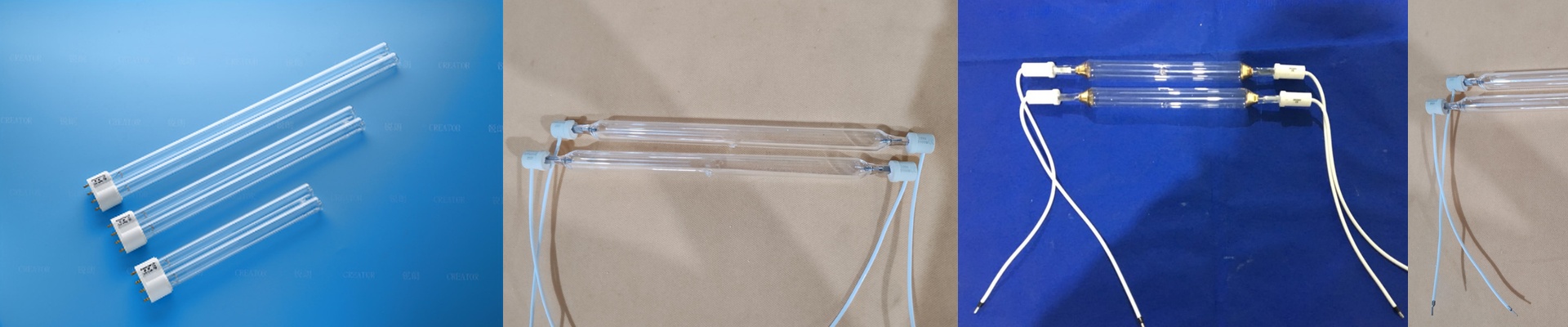
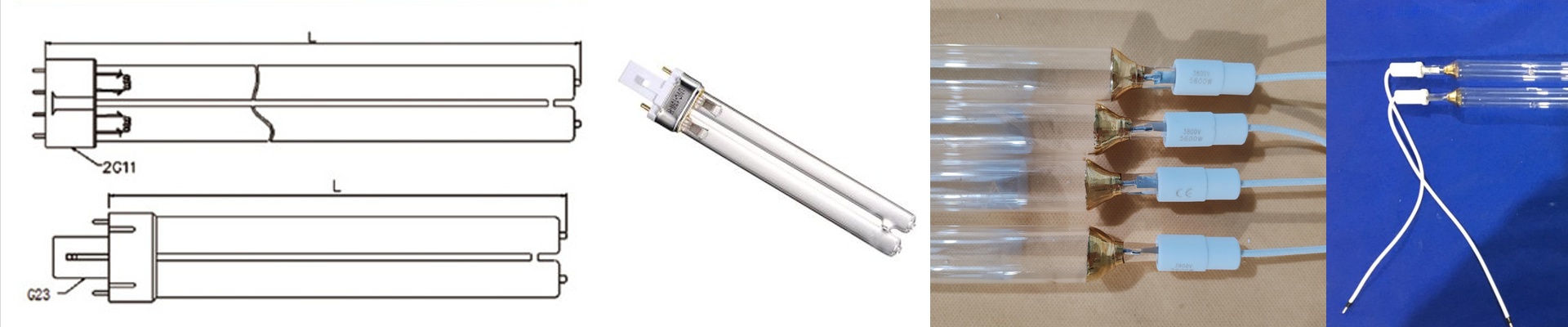
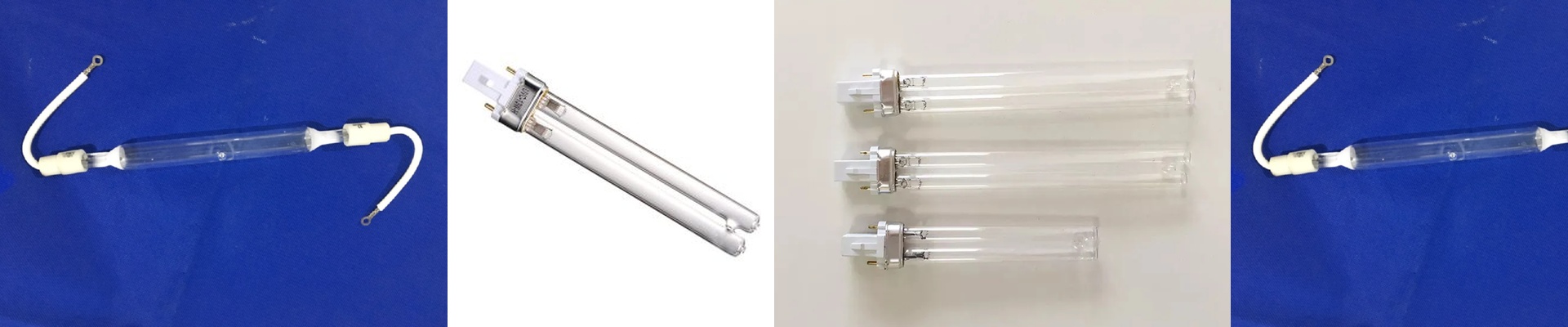
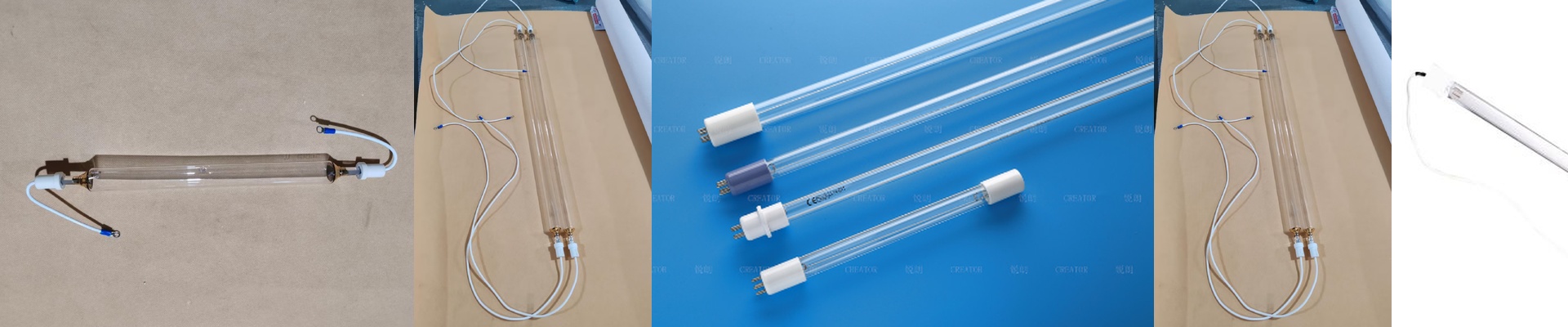
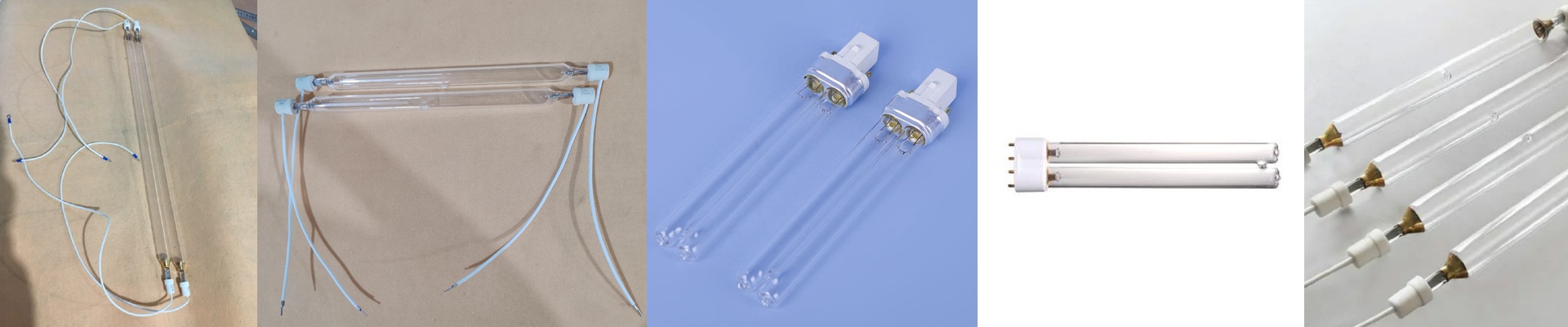
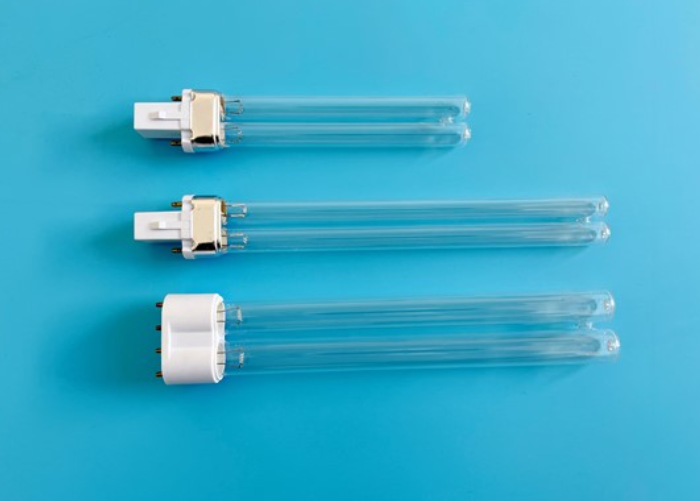
Out on the press floor, an off-spec UV lamp doesn’t throw a fit. It just quietly steals cure depth. Then you start seeing scuffing on folds, pinholes in coatings, or ink that never fully cross-links. In platemaking, exposure uniformity sets the baseline for every run, so the lamp’s spectral output has to stay stable. What matters, technically Gallium iodide lamps are built to sit in the 365–405 nm band, which lines up with the absorption peaks of the photoinitiators in plate emulsions and curable inks. In platemaking, consistent exposure comes down to stable irradiance—not just total energy. We spec lamps with tight spectral control and a reflector geometry that holds dose distribution across the exposure plane. Peak irradiance, measured with a calibrated radiometer, is the number that ties directly to exposure time and dot integrity. A drift of a few percent can nudge the exposure index and make you chase tone values all day. Why it works in practice Run a weekly check on your custom UV lamp with a simple UV energy test film. When the spectral profile stays steady, the film response is repeatable, so you’re tracking effective dose instead of guessing from lamp hours. The moment the reading drops below your documented baseline, you step in—before plate dots drift or press cure turns marginal. That routine keeps plate tolerances tight and cuts unplanned stops from inconsistent cure. What you need to know Installation has to match the fixture: arc length, end type, electrical interface, and cooling airflow. Gallium iodide lamps are sensitive to thermal management—run them outside the designed airflow window and spectral stability falls apart. Expect output to decay over life; set replacement intervals based on measured irradiance, not a calendar. And here’s a reality check: the reflector condition matters as much as the lamp. A scratched or oxidized reflector drops delivered dose faster than lamp aging alone.