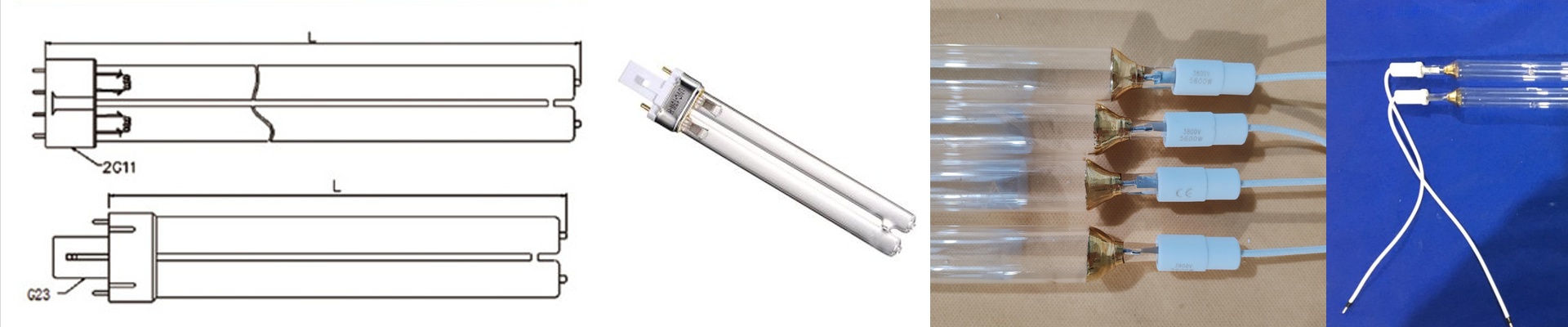
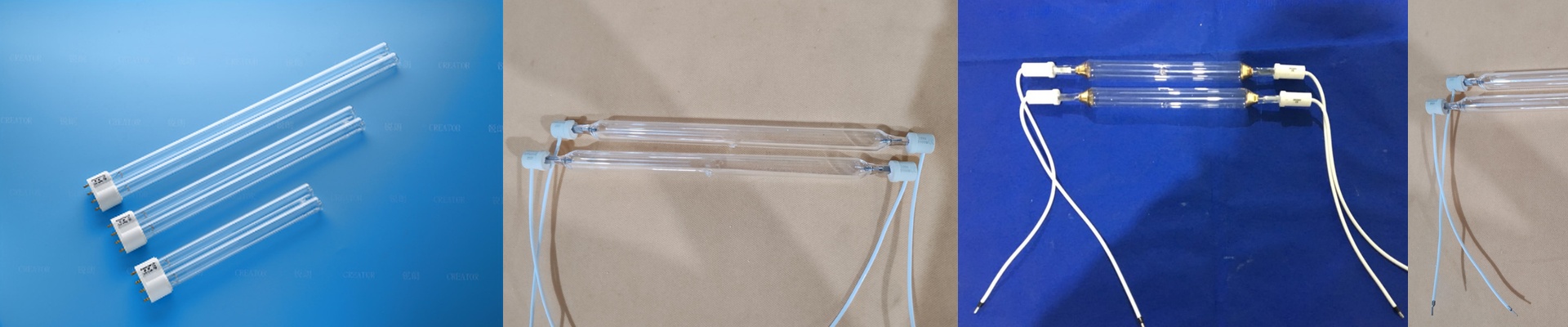
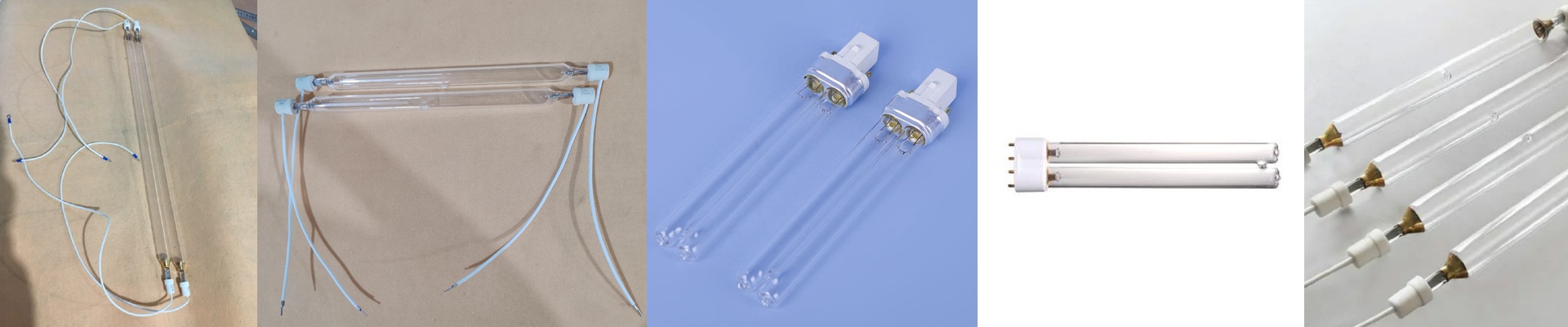
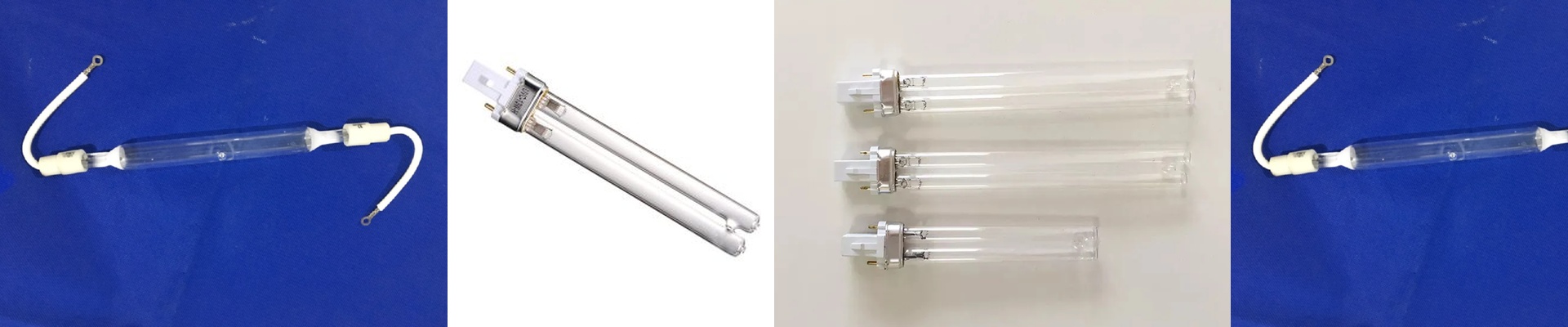
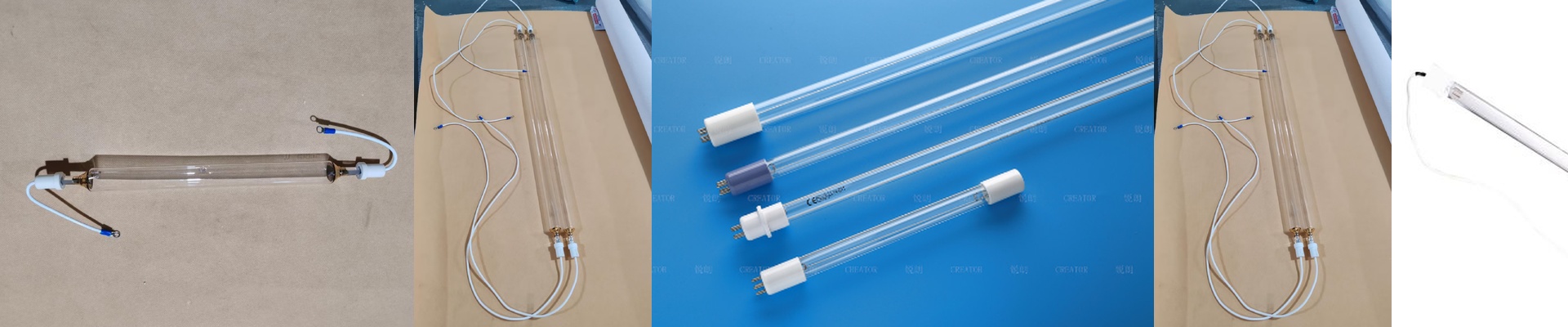
On a shop floor that throws dust in your face, glass printing lines don’t need drama—they need curing you can count on, shift after shift. Standard reflectors and lamp assemblies get gunked up fast, and when the mirror surface dulls, peak irradiance drops. You see that as slower cure, adhesion that drifts, and more scrap. We built gallium iodide lamps with a fully enclosed reflector specifically for this kind of environment. What matters technically Gallium iodide doping pushes the spectral output into the 365–405 nm band, which lines up with the photoinitiators in glass-print inks and coatings for fast, deep cross-linking. We keep the spectrum consistent across the life of the lamp, so the curing window doesn’t wander on you. Output is stable: 1200 mW/cm² peak irradiance at the arc plane, with less than 3% intensity variation over 20 minutes of warm-up. Rated life is 5,000 hours with under 5% output decay, and the enclosed reflector keeps the mirror clean by blocking airborne dust while still letting thermal management do its job. The system runs ozone-free and holds a controlled temperature profile at the substrate—exactly what you need to avoid thermal stress on glass. Why it holds up here The fully sealed reflector keeps dust off the dichroic surface, so reflectance stays high and energy density stays repeatable, shift to shift. That means consistent cure on glass even when the ambient particulate load spikes. You keep the press running with fewer stops to wipe fixtures, fewer lamp changes, and less downtime overall. Power draw is predictable, and because the spectrum stays tight, you get reliable surface cure without cooking the substrate. A few shop-floor details Installation comes down to matching lamp length, arc gap, and connector type to your curing module. The enclosed reflector adds a few millimeters to the envelope, so confirm clearances with your integrator before you commit. These lamps don’t love repeated hot restarts—schedule curing at stable duty cycles to protect filament life. Also, double-check your ink formulation against the 365–405 nm profile so you get the most out of the photoinitiator response and avoid under-cure on thick deposits.