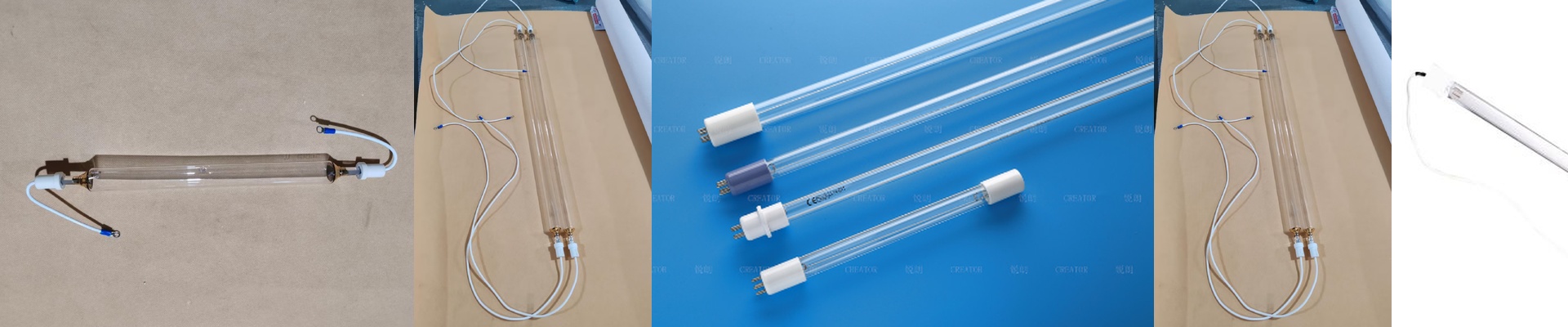
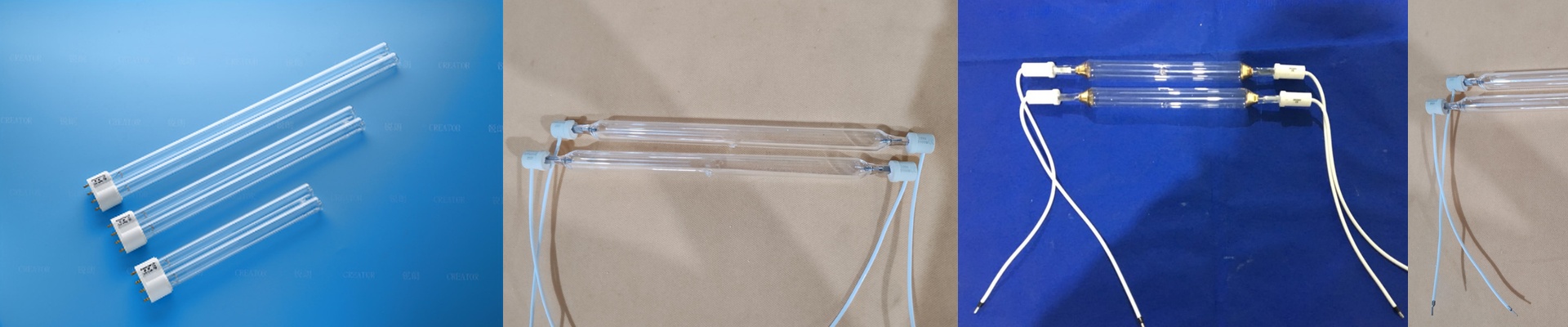
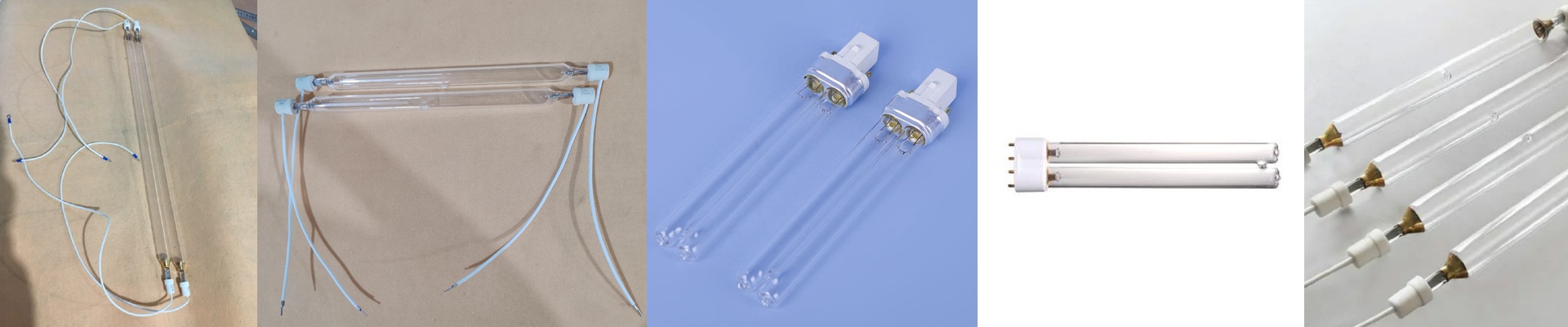
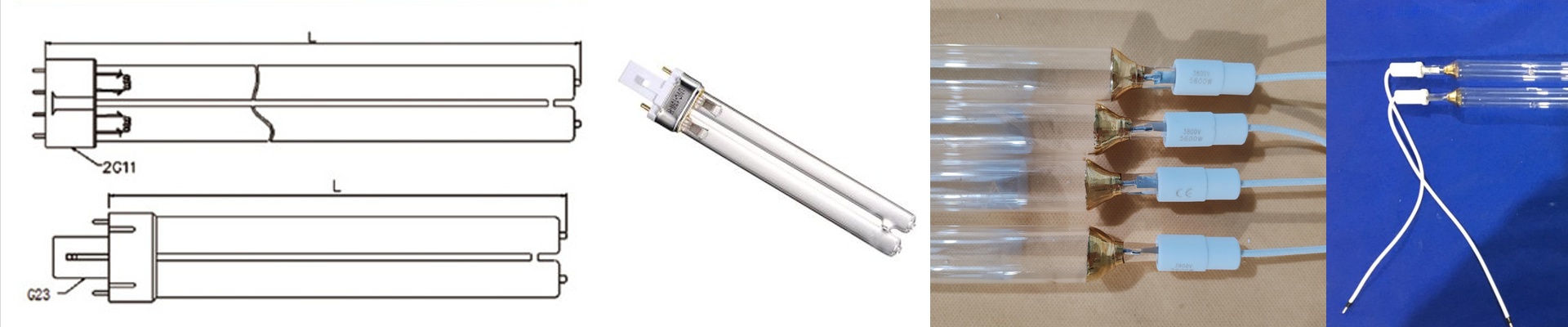
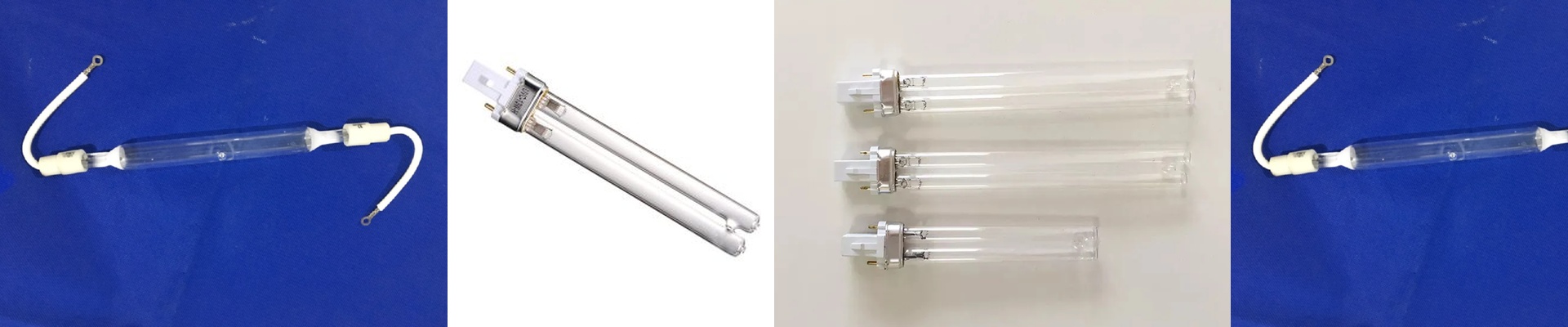
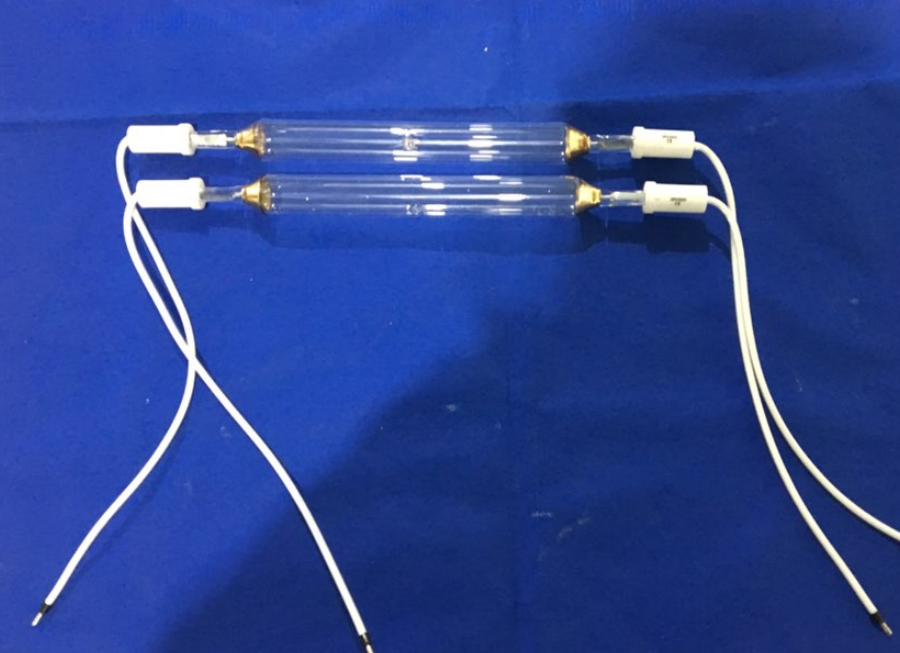
On the press floor, when that UV lamp fires up, it’s more than a light show. It’s a quick diagnostic. The color temperature you see in the first few seconds tells you whether the internal fill and electrode conditioning are ready for production. A cool, bluish-white usually means the mercury vapor pressure is high and the arc is stable. A warm, yellowish cast, on the other hand, often signals an inert gas imbalance or impurities—conditions that will eat lamp life and flatten spectral output. What actually matters in UV curing is spectral output, not how bright it looks. A well-made high-pressure mercury lamp should hold steady peaks at 365 nm, 385 nm, and 405 nm, with irradiance that stays consistent along the arc length. The 4-pin connector keeps ignition and thermal management on a predictable footing, so the ballast delivers the correct starting voltage and current profile. You want cold-start performance that hits 200 mJ/cm² within 3 seconds, and you want peak irradiance maintained right at the reflector focal plane. When the lamp fill is right and it’s matched to a proper dichroic reflector, you get curing energy that behaves on the substrate. That means fewer rejects from under-cure and less downtime chasing adhesion. In flexo and screen work, stable 365 nm output drives the photoinitiator cross-linking. In offset, the 385–405 nm range gives you surface cure without oxygen inhibition. And the 4-pin interface makes lamp swaps cleaner, cutting changeover time and keeping lamp position within ±0.5 mm. Here’s the part that trips people up: you have to match the lamp to the ballast and the reflector. A mismatch can starve the lamp for current—or push it into overdrive—throwing off color temperature and hashing up end-of-life. Always verify the connector pinout and ignition voltage against your system specs; 4-pin setups are not all the same across manufacturers. Give the lamp about 10 minutes to warm up before you judge output. If you try to call it based on a cold start, you’re reading the fill wrong. And don’t trust your eyes. Use a spectroradiometer to confirm those peak wavelengths. Vision is handy, but it’s no substitute for data.