Why Most Industrial UV Lamps Fail (and How We Fixed It)
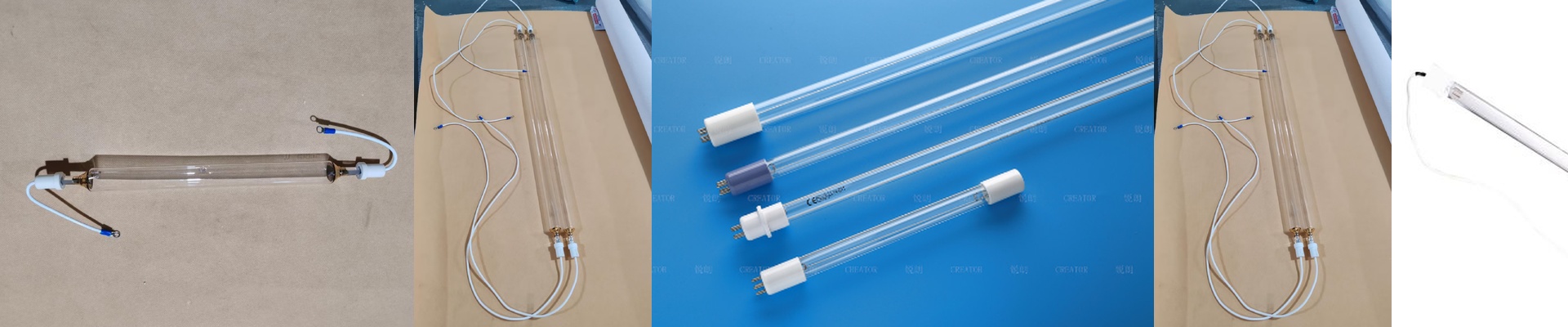
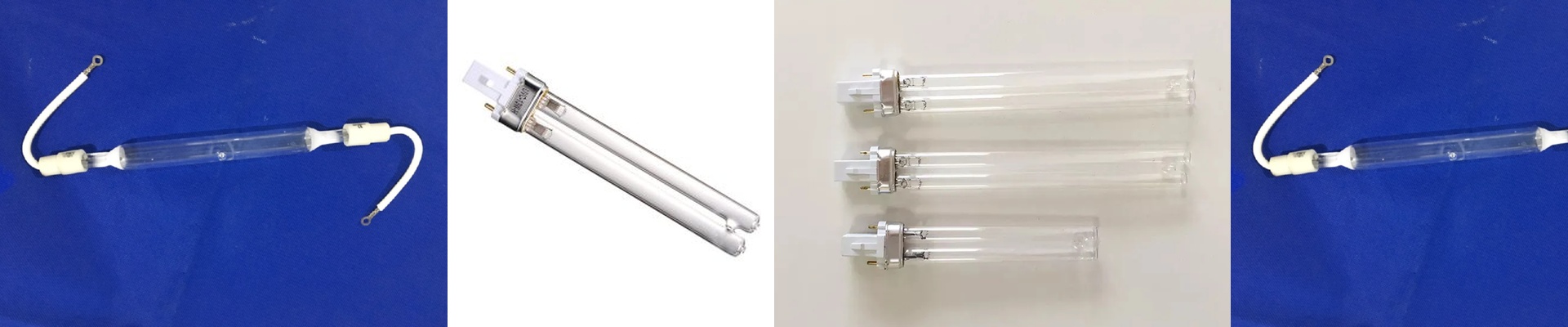
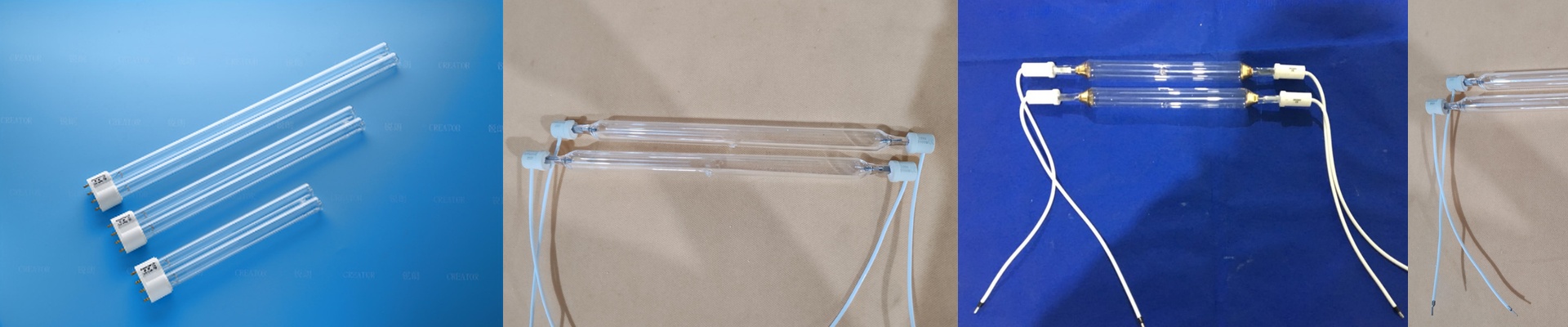
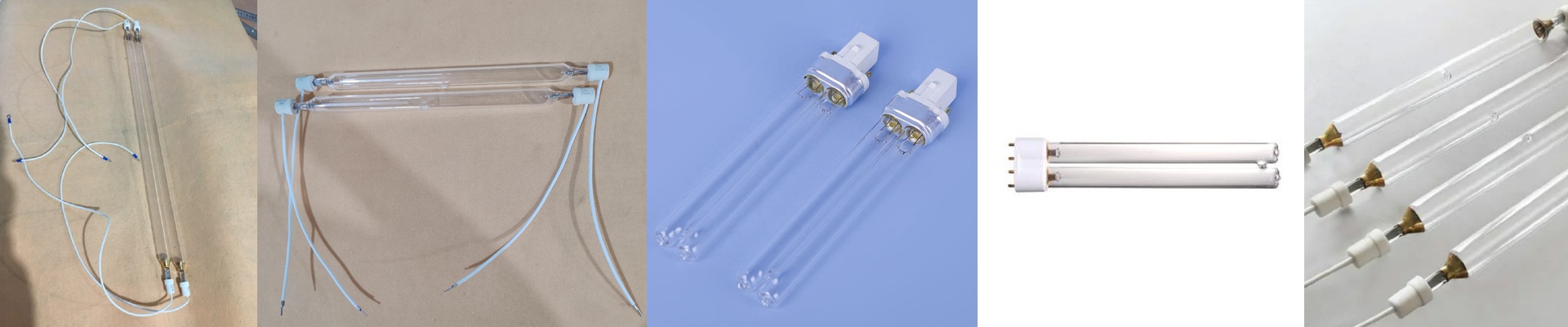
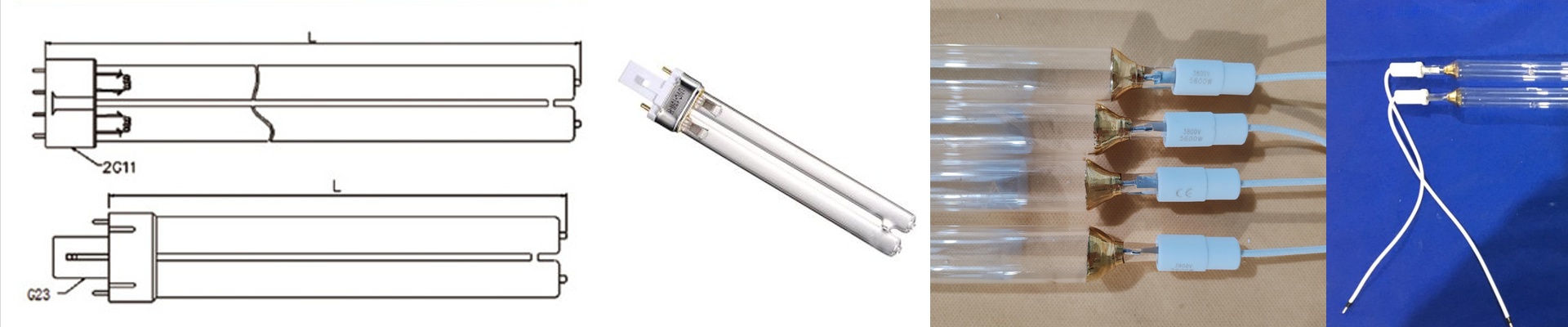
We spent some time visiting about 3,000 printing plants. A lot. And we noticed a pattern: most shops are just fighting with their equipment. They’re dealing with curing speeds that jump all over the place and lamps that burn out way too often. The problem is that most lamps are built as “generic replacements.” They’re meant to fit everything, which means they don’t actually excel at anything. We decided to stop doing that. Instead, we started building lamps based on what’s actually happening on your production line. The balance of power Here’s the thing about wattage and tube length. It’s a balancing act. If you jam too much power into a short tube, you’re basically baking your substrate. Not good. We care more about irradiance—the actual energy hitting the ink. Sure, cranking up the wattage makes things move faster, but it puts a ton of stress on your ballasts. Nobody wants to be the person who trips the circuit breaker right in the middle of a peak production run. It’s a nightmare. The stuff it’s actually made of We use high-purity quartz glass. Why? Because cheap glass blocks the shortwave radiation you need for a deep cure. If the light can’t get through the glass, it can’t get through the ink. We also swapped the electrode materials for thoriated tungsten. It sounds technical, but all it really means is that the lamp starts faster and doesn’t give up the ghost after a few rapid on/off cycles. But there’s a catch. High-output lamps get hot. Really hot. If your cooling fans are caked in dust or your reflectors look like old pennies, the lamp is going to overheat and die early. You can’t skip the airflow. Making it actually fit We’ve all heard the phrase “drop-in replacement,” but it only works if the dimensions are spot on. If a lamp is off by even a couple of millimeters, you get those annoying “zebra stripes” on your prints. It ruins the job. So, we obsess over the end-caps and connectors. The goal is simple: your operators should be able to swap a lamp and get the line moving again without needing a custom jig or a prayer. Less messing around, more printing.