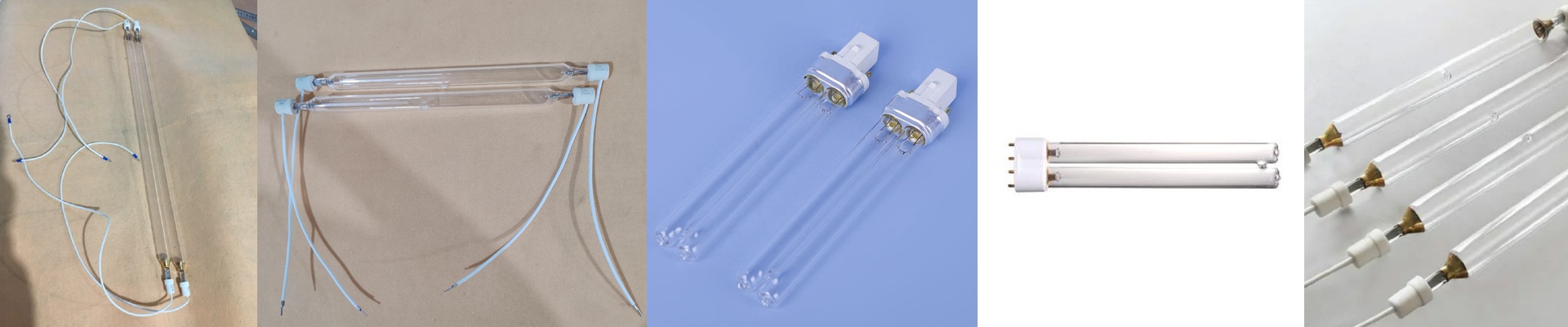
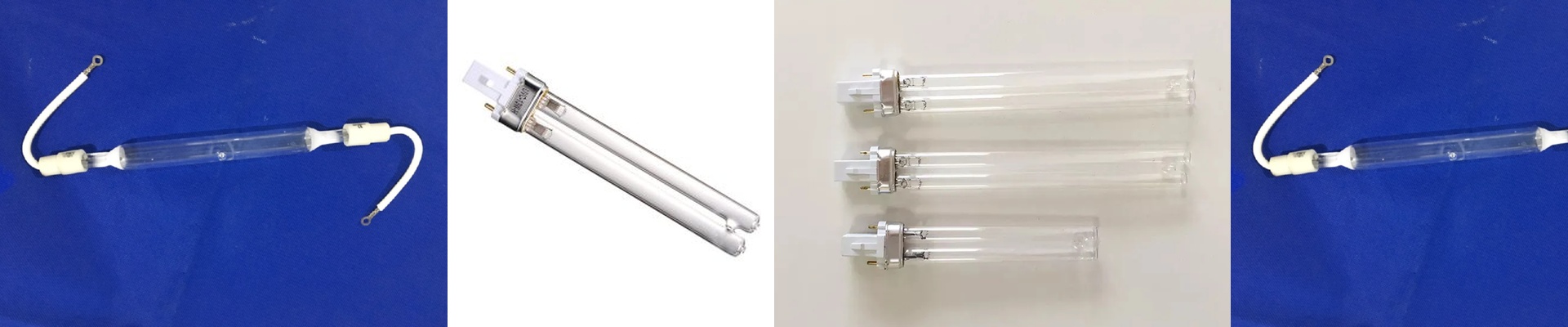
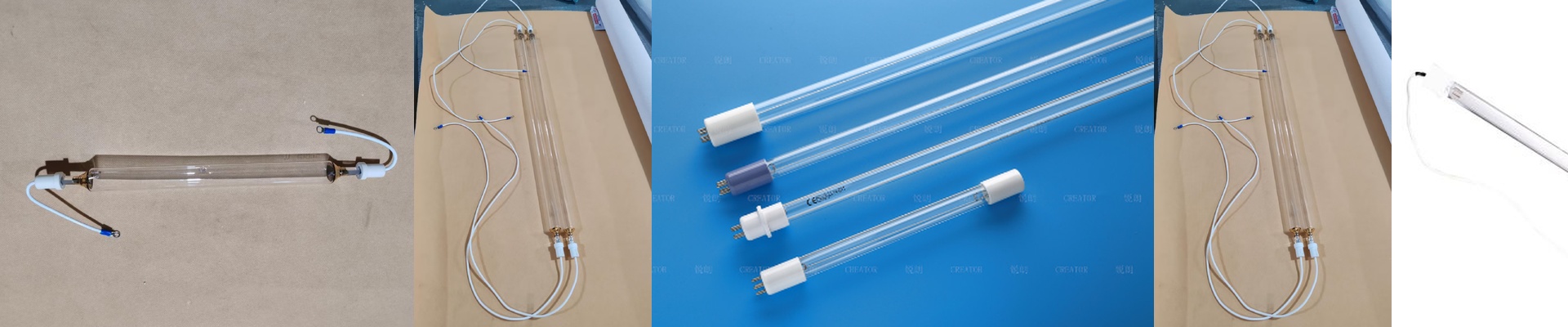
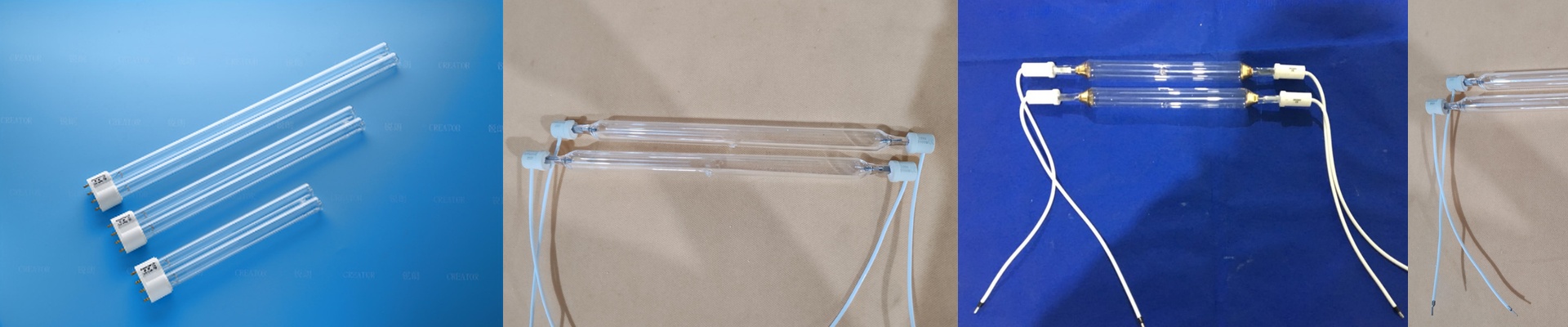
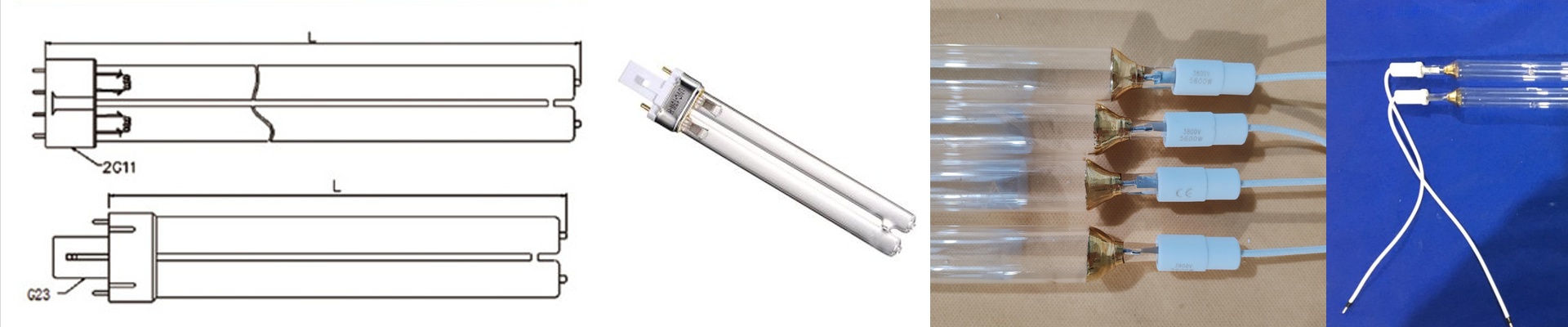
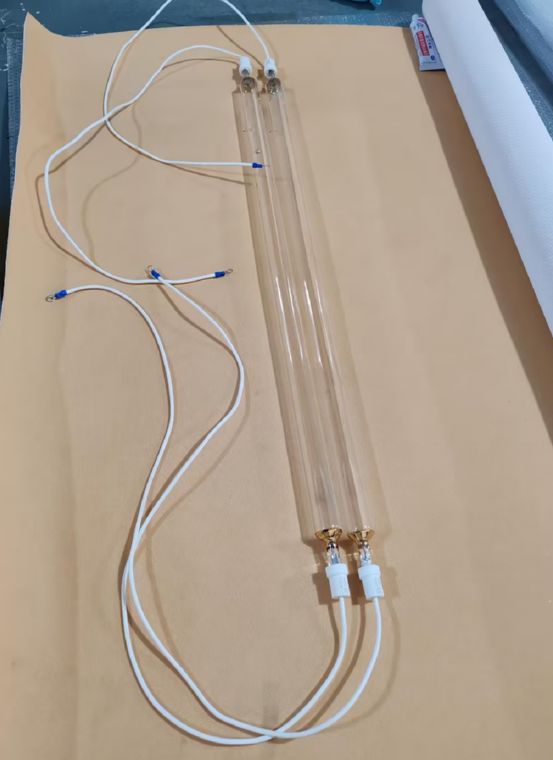
Let’s Talk About the 80W/cm Mercury UV Lamp
We built these lamps for the folks running small to mid-sized print shops. You know the deal—you need your ink to cure properly, and you need it to happen every single time, but you don’t want to get ripped off by those overpriced, proprietary systems that lock you into their ecosystem.
What does 80W/cm actually mean for you?
That number isn’t just a spec on a datasheet. It’s what determines how fast you can run your line. At 80W/cm, the lamp puts out a specific blend of UVC and UVB light that digs deep into the ink, bonding it tight to whatever you’re printing on. To make sure that light actually reaches your product, we use high-purity quartz glass. If the glass is cheap, the tube absorbs the UV radiation before it even leaves the lamp. That’s a waste of power and a headache for you. One quick tip:Watch your ballast. If you under-power the lamp, you’ll end up with “under-cure.” That’s when the ink stays tacky to the touch—and nobody wants to deliver a sticky job to a client. On the flip side, if you push too much power through it, you’ll fry the electrodes and burn the tube out way too soon.
The hardware side of things
Inside, it’s a standard mercury-vapor fill. We kept the footprint simple so it fits right into most existing curing frames. It’s a true drop-in replacement. When your old tubes start wearing out, you just swap these in and keep moving. We also spent a lot of time on the electrode placement. Why? Because we hate “dark ends.” You want a consistent, solid cure across the entire width of your print, not gaps at the edges.
Getting it running on your shop floor
These work great with most UV offset and screen printing setups. But here’s the thing: mercury arcs gethot. Really hot. If your cooling fans are clogged with dust or you’re running your conveyor too slow, you’re going to scorch your substrate. Just make sure your cooling system can actually handle the heat load. We build these to a tight tolerance. That means you can swap a lamp out without having to spend an hour recalibrating your entire station. It’s just a stable, reliable cure without the “big brand” price tag.