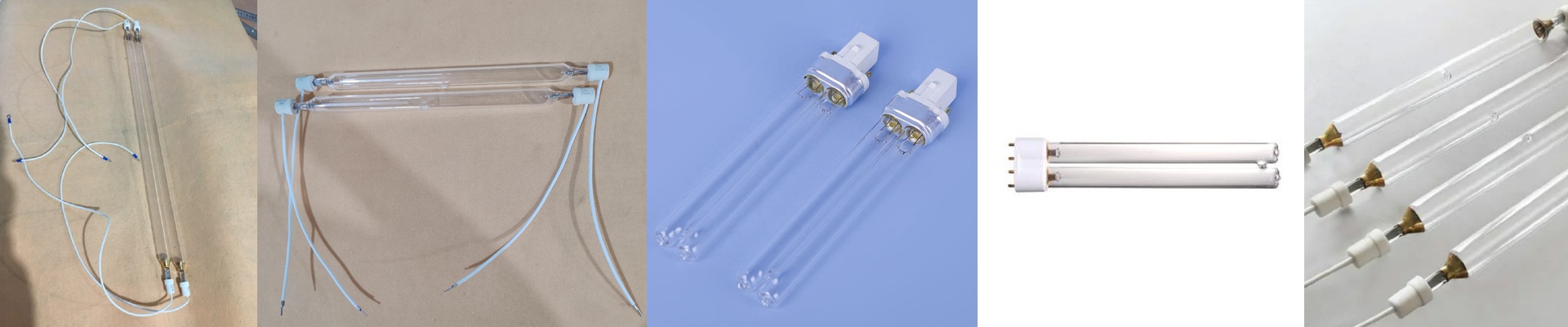
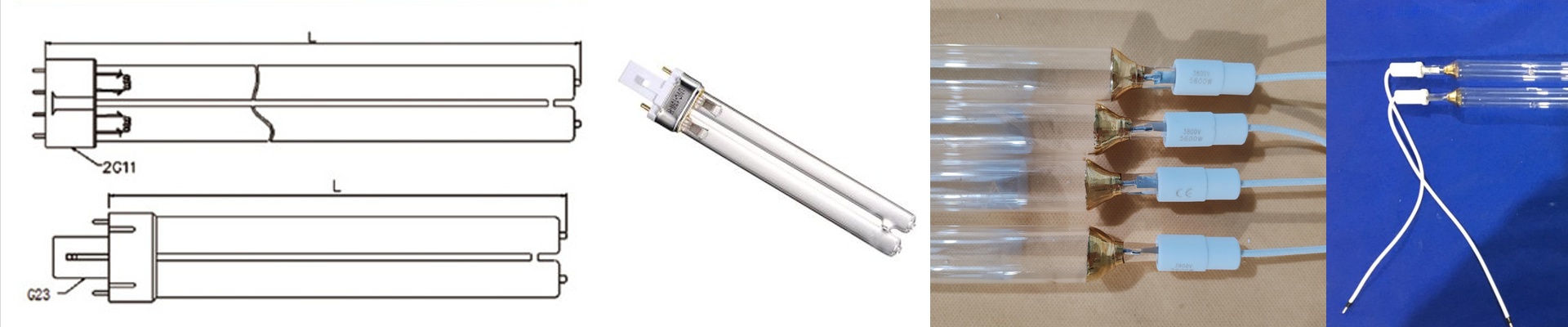
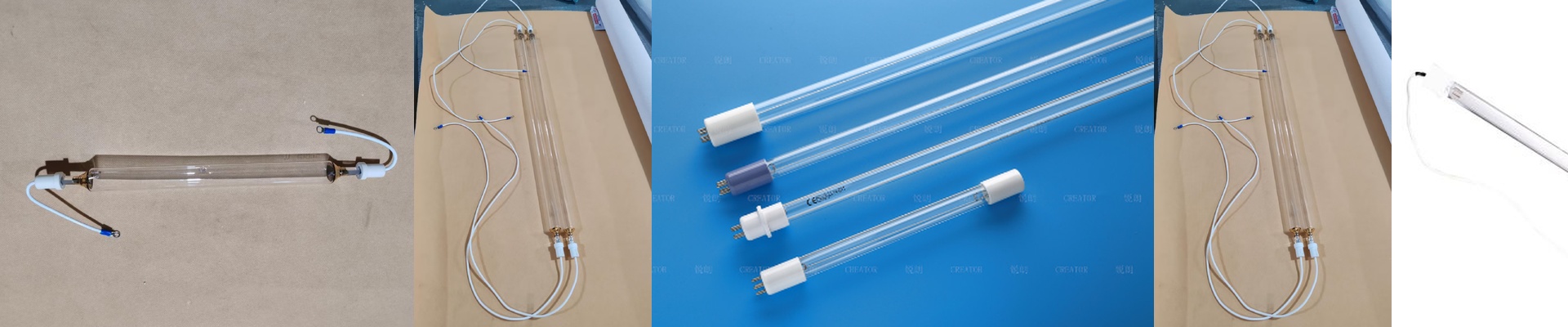
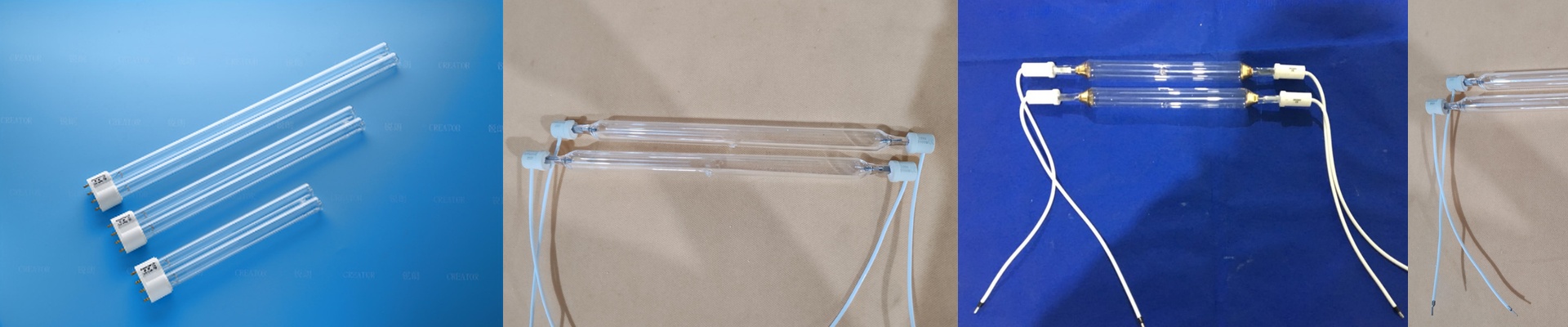
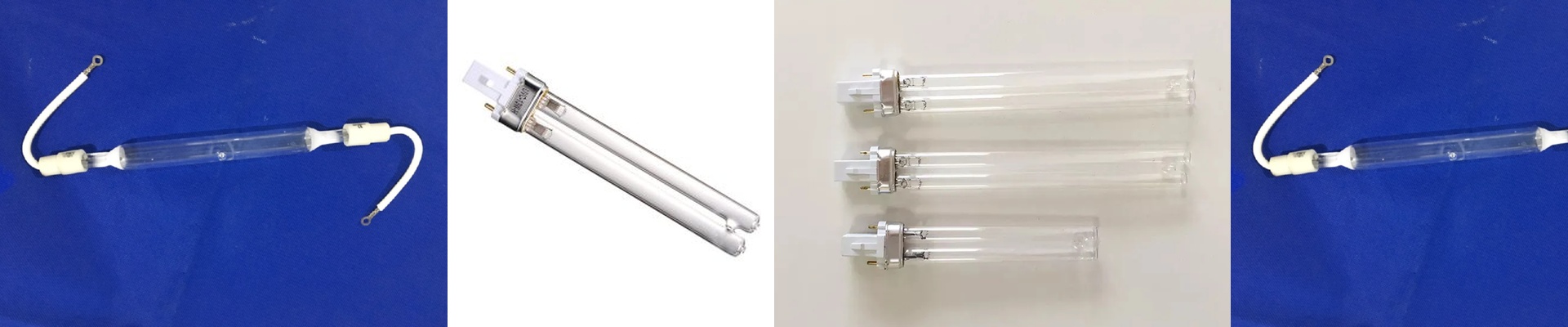
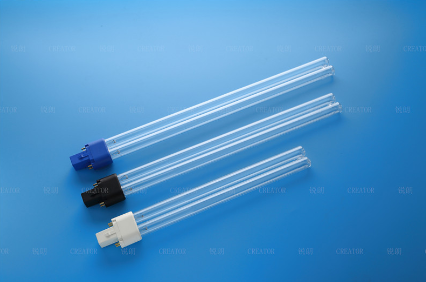
If you walk into a textile mill, you might see UV lamps and think they’re just there to dry things. But they’re actually doing some heavy lifting. We use them to lock in dyes, cure screen-print inks, and bond synthetic fibers together. It’s a precise process that happens from the moment the raw fabric hits the line until the garment is finished. Getting the light right You can’t just grab a random lamp and expect it to work for everything. It doesn’t work like that. We pick specific wavelengths based on what the fabric needs at that exact moment. If we’re curing ink, we go with high-intensity UV-A or UV-B to get those photoinitiators moving. But if the goal is sterilizing or treating the fibers? We switch over to UV-C. Then there’s the speed. More wattage means you can crank up the conveyor belt without worrying about “wet spots” ruining a batch. But there’s a catch. More power means more heat. If your cooling fans can’t keep up, you’re looking at warped housings or, even worse, scorched fabric. Not a great look. The nitty-gritty of the hardware We build these things to fit the space you actually have. Whether it’s a tight tunnel for ribbons or a massive array for wide fabric rolls, the length and connectors have to be spot on. We use quartz glass for the envelopes because it lets the most UV light through. And please, don’t mess with the ballast. If the voltage is off, the lamp will burn out in a few hours. We spend a lot of time on the physical connections, making sure they can handle the current without overheating, even when the machines are running 24/7. Why this actually matters The best part? You can stop relying on those giant, steaming thermal ovens. Instead of waiting around for solvents to evaporate, you get an instant cure. It saves a ton of floor space and cuts down on electricity. Plus, you stop pumping VOC emissions into the air. It’s just a cleaner, faster way to get the job done.