Getting the Most Out of Your Industrial UV-C Lamps
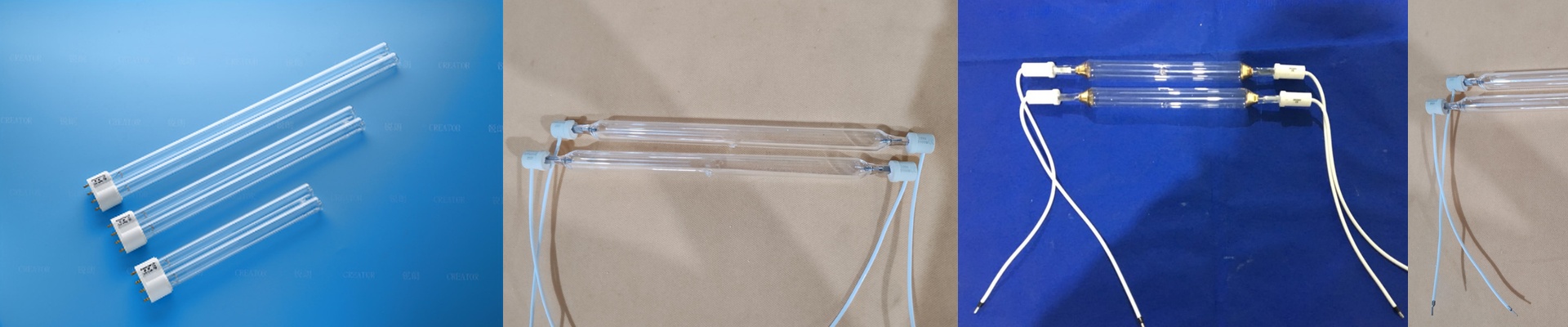
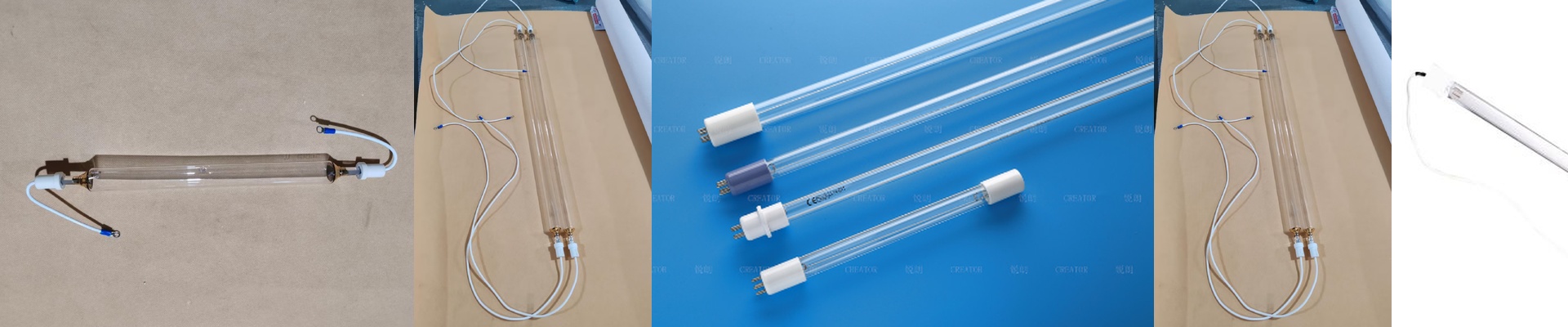
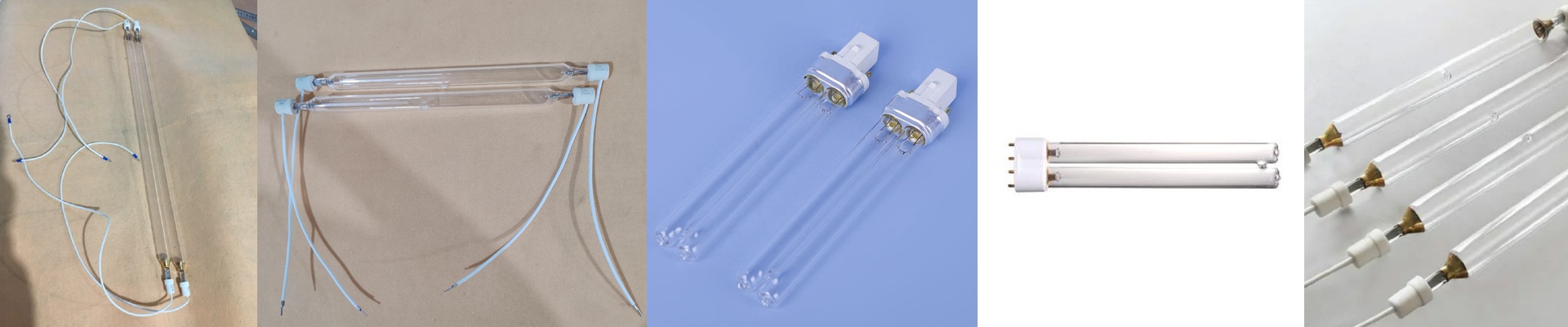
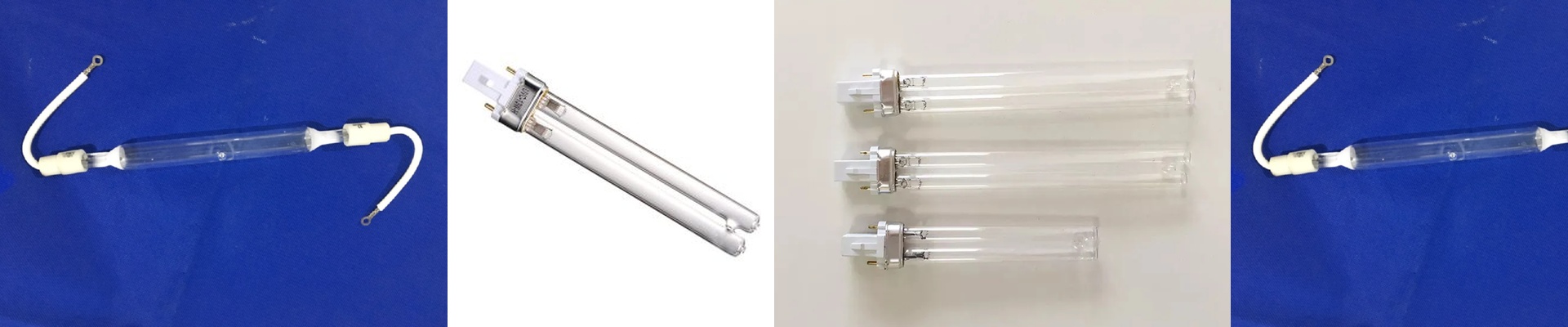
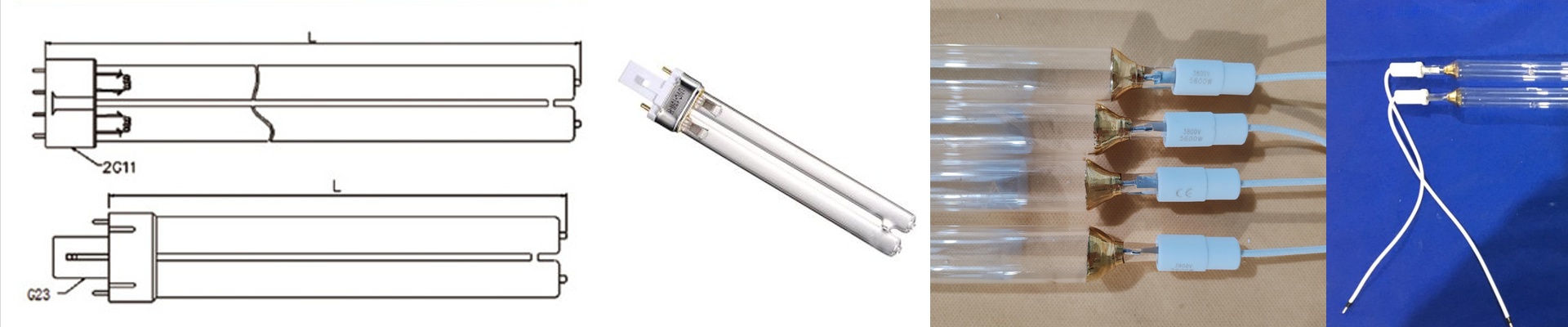
Let’s talk about how these UV lamps actually work. Basically, they blast out shortwave radiation (usually around 253.7 nm) to wreck microbial DNA. When we’re building an energy-saving lamp, we’re chasing one thing: getting as many UVC photons as possible without wasting power or cranking up the heat. The Power Balance We use a tweaked mercury-vapor discharge to keep things efficient. The trick is finding the sweet spot between the tube’s diameter and the wattage. If you push too hard, the lamp burns out way too fast. But if you’ve got a conveyor belt moving at high speeds or a massive air filtration system, you need that extra punch—higher irradiance. Just a heads-up: make sure your ballast matches your lamp’s wattage. If the ballast is under-powered, you’ll get that annoying flickering, and your lamp’s lifespan will tank. Why the Glass Matters You can’t just use any glass here. Standard glass blocks UVC rays entirely, which makes it useless for killing germs. That’s why we use fused quartz. It lets the UV light through while handling the heat without cracking. Here is a pro tip: if you’re running these in a humid spot, keep an eye on the pinch point seals. That’s usually where things go south. We reinforce those joints specifically to stop gas leaks and keep your system running. Making It Work in Your Shop These are designed to be simple drop-in replacements. You shouldn’t have to rebuild your whole fixture to use them. Since these are energy-saving models, they’re a bit pickier about the ballast. If your ballast is an old dinosaur, you might notice the UV output isn’t where it should be. We’re confident our lamps hit the same benchmarks as the big-name brands, and if they don’t, we’ll make it right with full compensation. One last thing. Please,clean your reflectors. A little bit of dust can kill your efficiency faster than the lamp actually wearing out. It’s a five-minute job that saves you a lot of money.