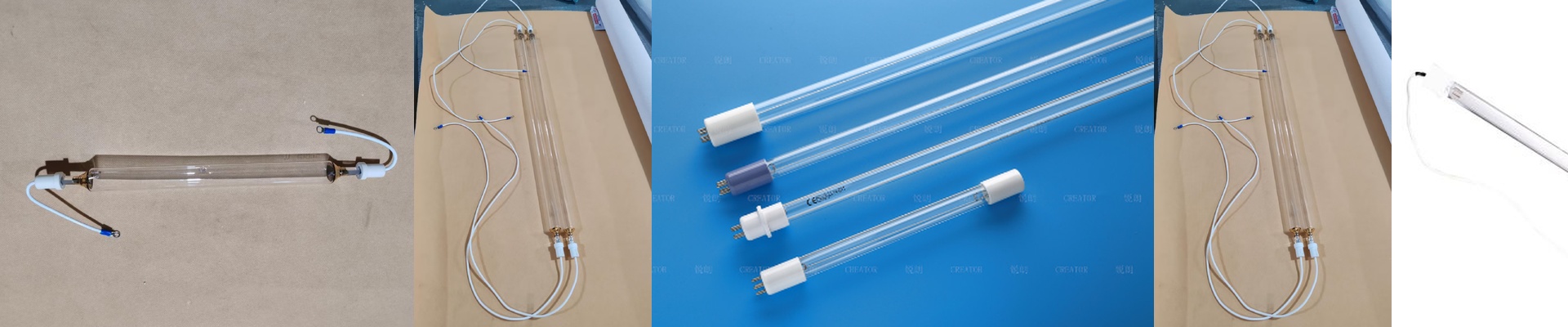
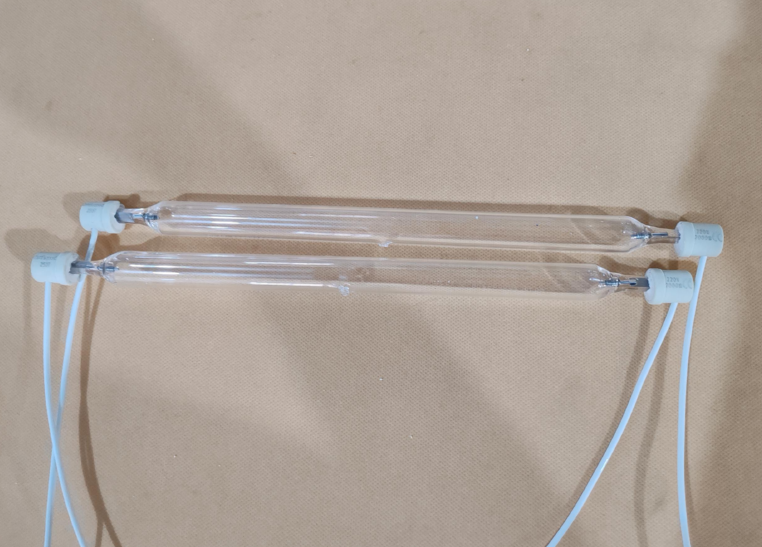
Why that CE mark actually matters for your UV lamps
If you’re buying germicidal UV bulbs in bulk, it’s easy to get hung up on the specs—UVC output, the grade of the quartz, all that stuff. But if you’re planning to sell these in Europe or any high-end market, there’s one thing you can’t ignore: the CE mark. Look, it’s not just a sticker to make the box look official. It’s basically a promise that the lamp won’t blow a fuse or interfere with other gear. Here’s the thing about how these lamps actually work. They ionize mercury vapor to create that 253.7nm radiation, which means you’re dealing with high-voltage starters and ballasts. That’s where things get risky. Without the right certification, you’re looking at potential electrical leaks or electromagnetic interference. Imagine a lamp tripping every other piece of equipment on a factory floor. Not a great look. That’s why we build our bulbs to hit the Low Voltage Directive (LVD). We make sure the wiring and insulation can take a beating without shorting out. But it goes deeper than just passing a test. Getting certified forces us to be obsessive about the small stuff. We have to be incredibly picky about the purity of the synthetic quartz and how the electrodes are sealed. Everything has to be consistent. If a batch of bulbs drifts in wavelength or burns out too early, it doesn’t just mess up the sterilization—it kills the certification. Now, I’ll be honest: this adds a bit to the cost per unit. You’re paying for the testing and the constant quality checks. But here is the trade-off. Without that mark, you’re locked out of the medical and industrial sectors. You can’t just “wire it up and hope for the best” when you’re dealing with professional equipment. A non-certified lamp is just a liability waiting to happen. We stick to these standards so you can drop our bulbs into a high-end system and actually sleep at night, knowing you won’t deal with customs seizures or a nightmare of a safety audit.