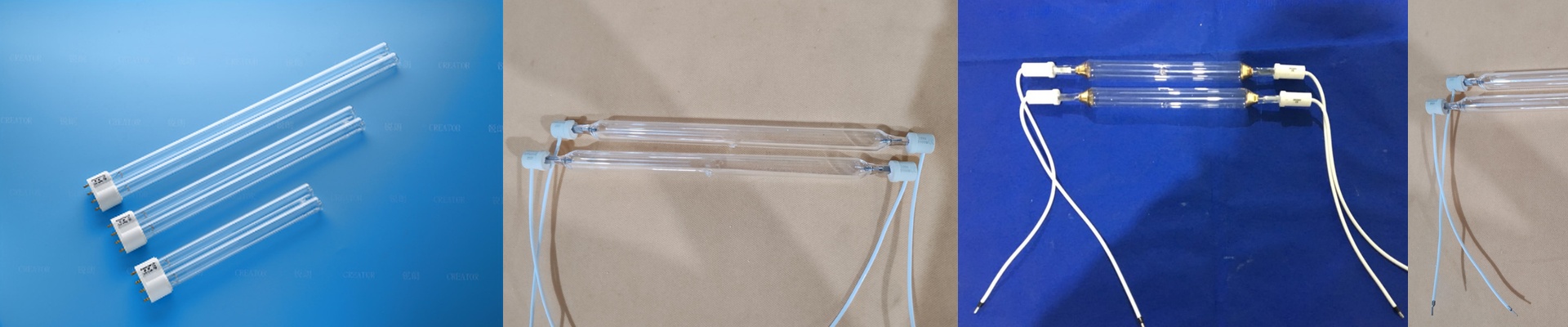
The Truth About Mercury UV Curing Bulbs
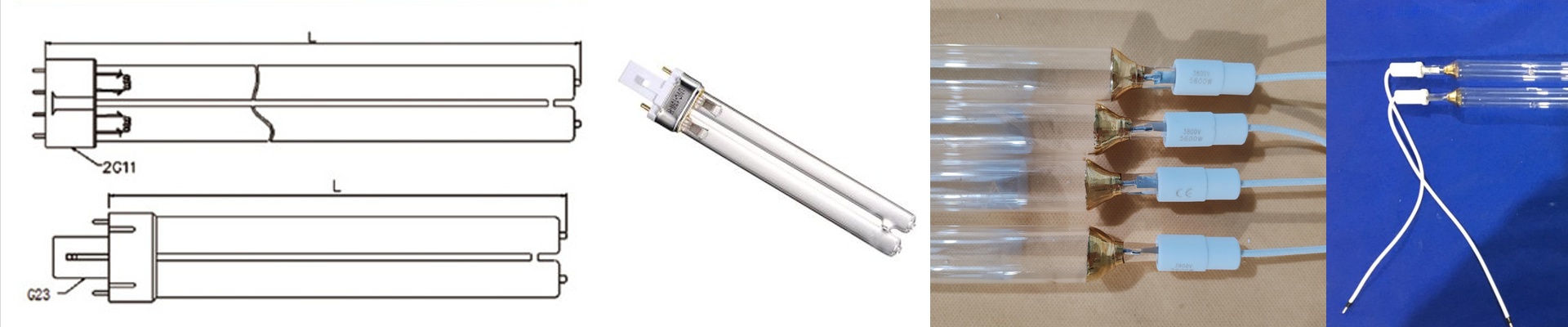
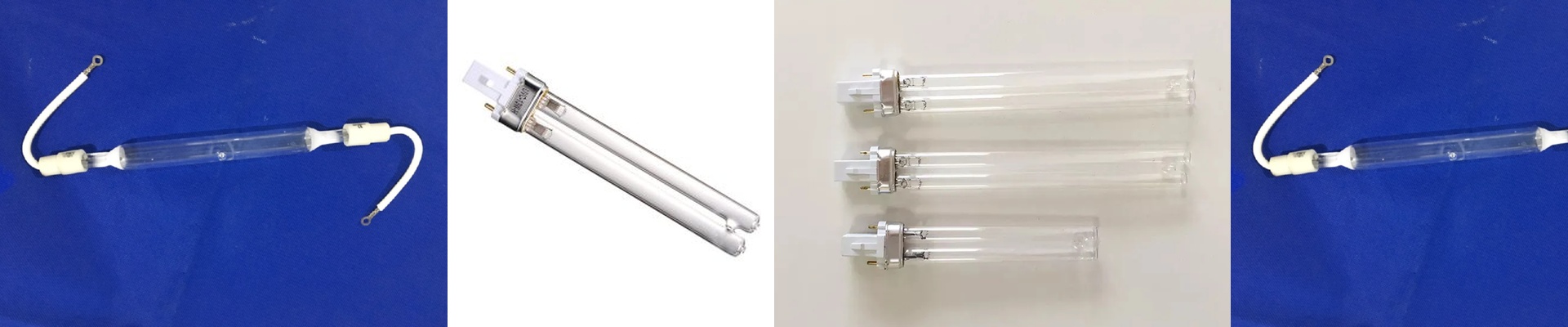
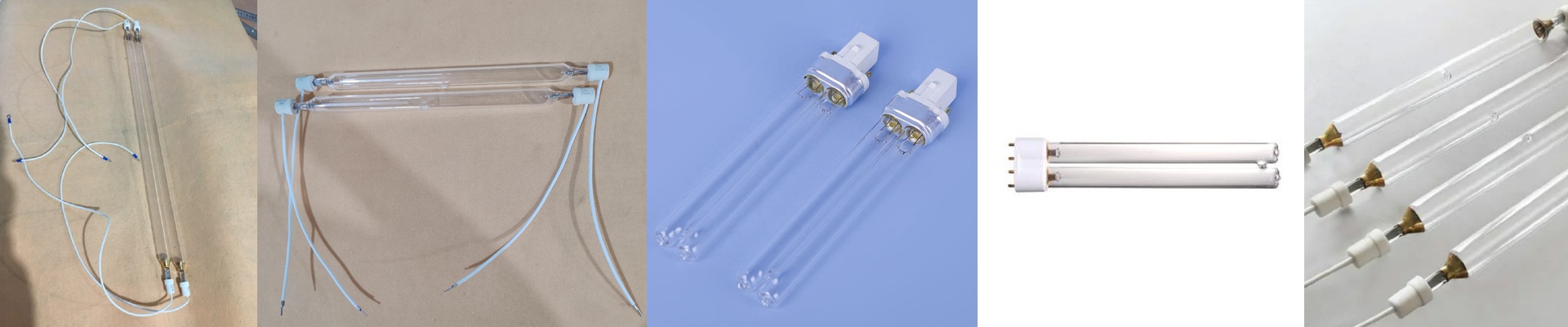
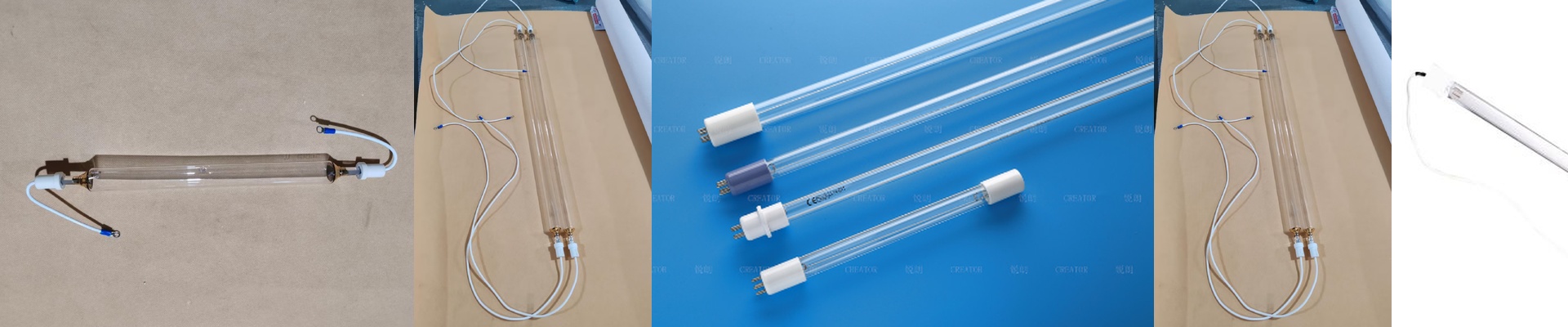
We stick with standard mercury vapor tech for our UV modules for one simple reason: it just works. When you’re trying to get industrial inks to set, you don’t need a science experiment—you need something reliable. At the 2026 Printing Expo, everyone was talking about “innovation,” but we spent our time talking about the real world. You know, the kind of world where production lines get stressed and things actually have to run. Getting the power right It all starts with the mercury arc lamp. We spend a lot of time tweaking the wattage and voltage to make sure the UVC and UVB output stays steady. Why? Because that’s what actually breaks the chemical bonds in your ink. If your voltage jumps around, you’re going to see those annoying “under-cure” streaks across your work. It’s frustrating. To stop that, we use high-purity quartz glass. It keeps the UV energy moving toward your product instead of getting trapped inside the bulb. Dealing with the heat Customizing a module isn’t just about picking a length and calling it a day. We obsess over the reflector geometry. We want that beam hitting the ink exactly where it needs to, so you aren’t wasting energy. But here’s the catch: these lamps gethot. Like, really hot. If you run them full blast without a plan, your substrate will warp. It’s a nightmare. That’s why you’ve got to get your cooling fans or water-jackets dialed in to match the heat. If you don’t, you’ll be burning through bulbs way faster than you should. Keeping things simple When a bulb goes out, the last thing your techs want to do is spend three hours rewiring a machine in the middle of a shift change. We hate that as much as you do. So, we use standardized connectors. They’re basically drop-in replacements. We kept the footprint consistent and the wiring dead simple to kill any unnecessary downtime. We didn’t build these to look pretty on a brochure. We built them to take a beating in a loud, vibrating factory and keep on humming.