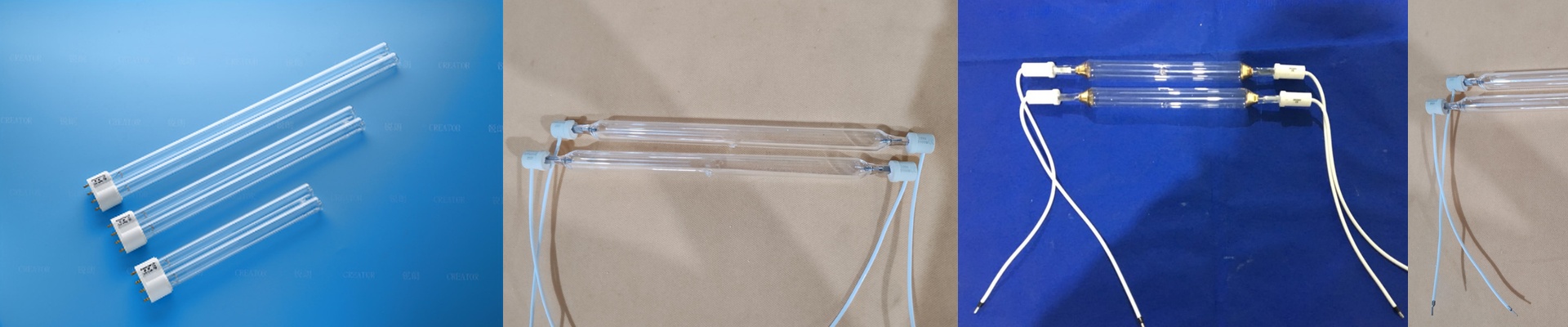
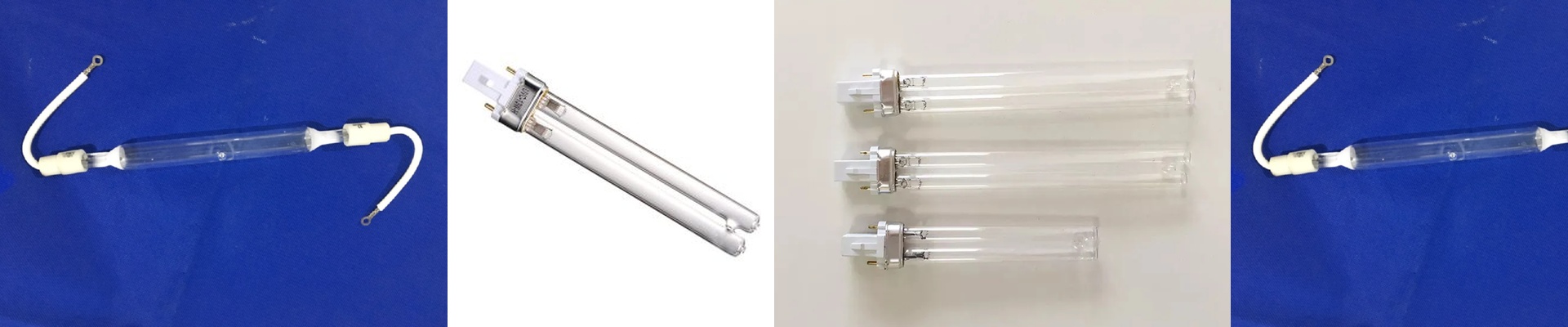
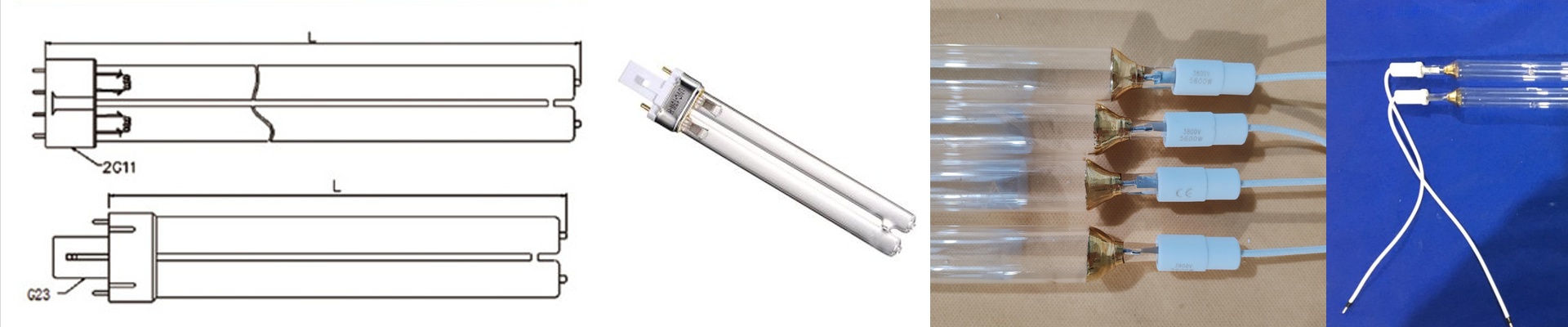
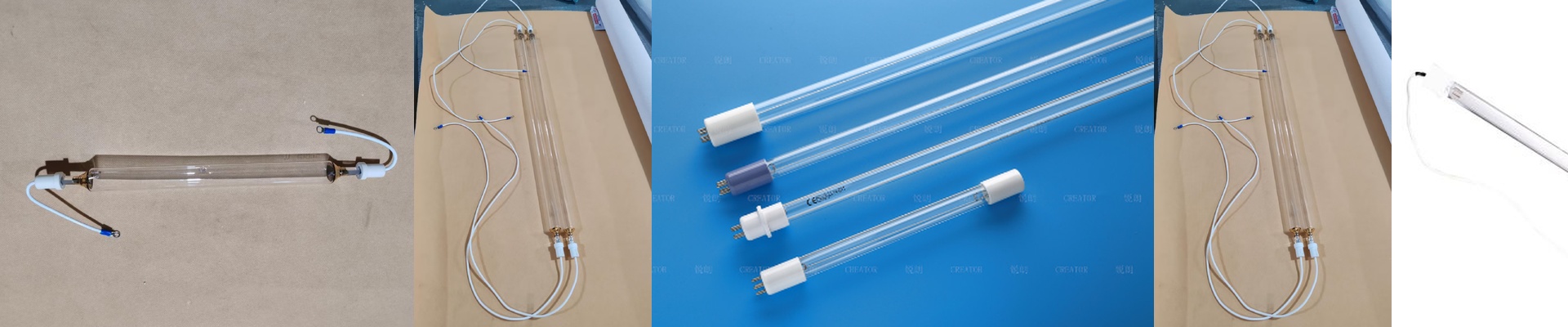
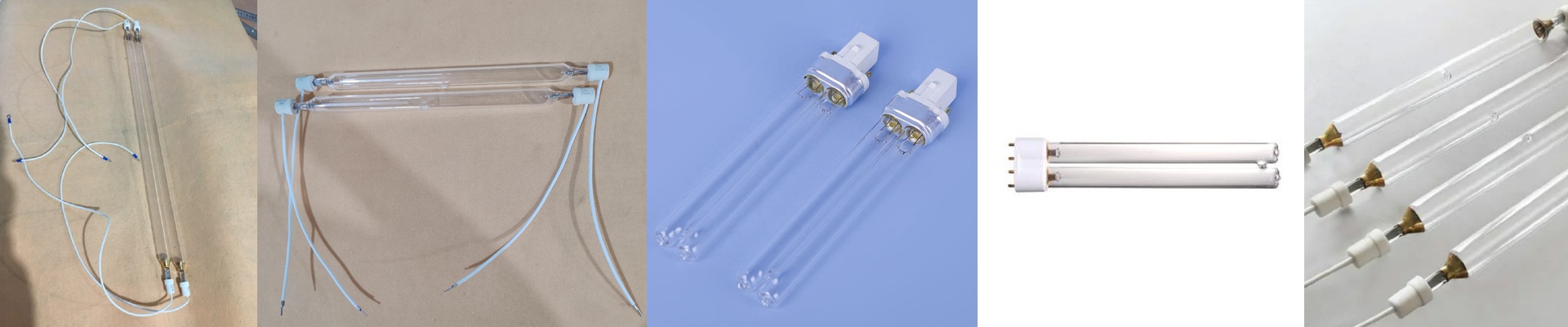
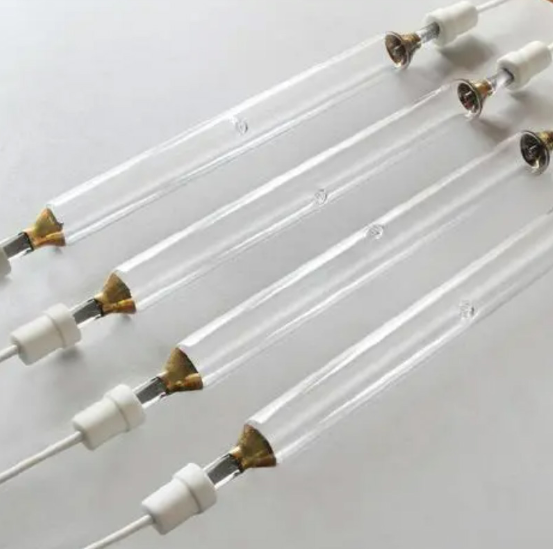
Let’s be honest: most people think of UV lamps as just another tool on the line. But when you’re running a high-speed operation, these mercury lamps are really the heartbeat of the whole process. We build ours to handle the grind. Because in a world of automated lines, every minute of downtime is just money leaking out of your pocket. Getting the light right Here is the thing about the physics: mercury lamps hit a broad spectrum, mostly peaking at 254nm and 365nm. We spend a lot of time tweaking the gas pressure and the electrodes inside the tube. Why? Because we want that light to play nice with the specific photoinitiators in your ink or coating. Now, you might be tempted to just crank up the wattage to speed up the line. It works, but there’s a catch. More power means more heat hitting that quartz envelope. If you aren’t careful, you’ll end up warping your materials or seeing bubbles pop up where they shouldn’t. It’s all a balancing act between raw power and keeping your substrate cool. Built for the shop floor Industrial environments are brutal. That’s why we use high-purity fused quartz. It’s tough. It takes a beating. We also make sure our end-caps fit your existing reflectors perfectly, so you can just swap them in and get back to work. But a word of advice:**watch your alignment.**If the lamp shifts even a few millimeters, you’re going to get those annoying “wet spots” on your product. It’s a small detail that makes a huge difference. The trade-offs Running these lamps requires some precision with your ballast. High-output lamps give you massive energy, but they run hot. Really hot. If your cooling fans or water jackets aren’t up to the task, you’re looking at a burnt-out lamp or a melted conveyor belt. Not a great day at the office. Our best advice? Stop relying on a timer and start monitoring your temperature in real-time. If you hook those sensors up to your PLC, you can adjust your line speed based on how the light is actually performing. It moves you away from that “set it and forget it” mentality and actually puts you in control of the energy hitting your product.