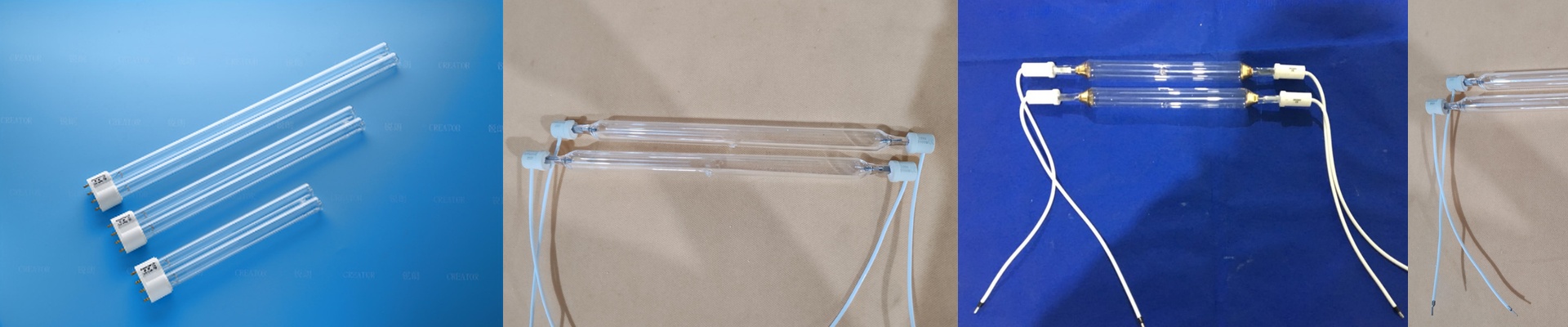
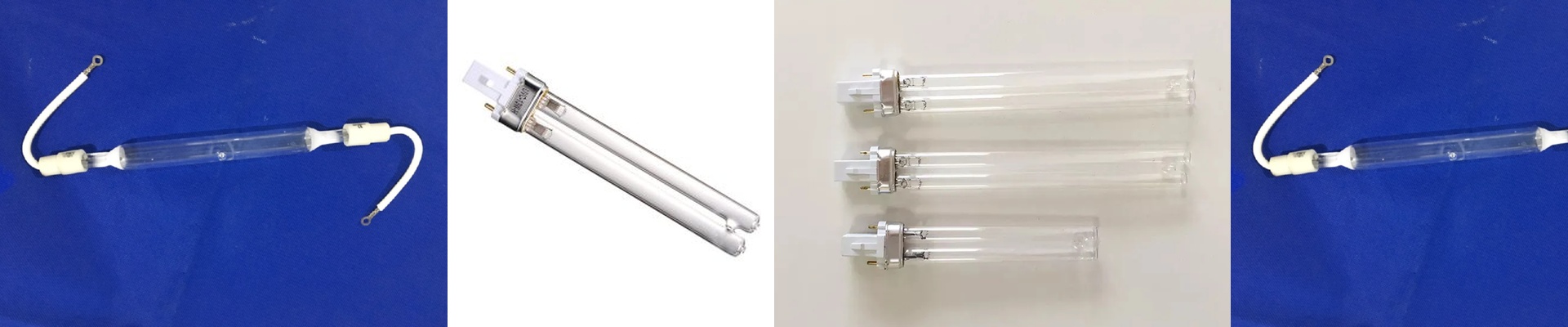
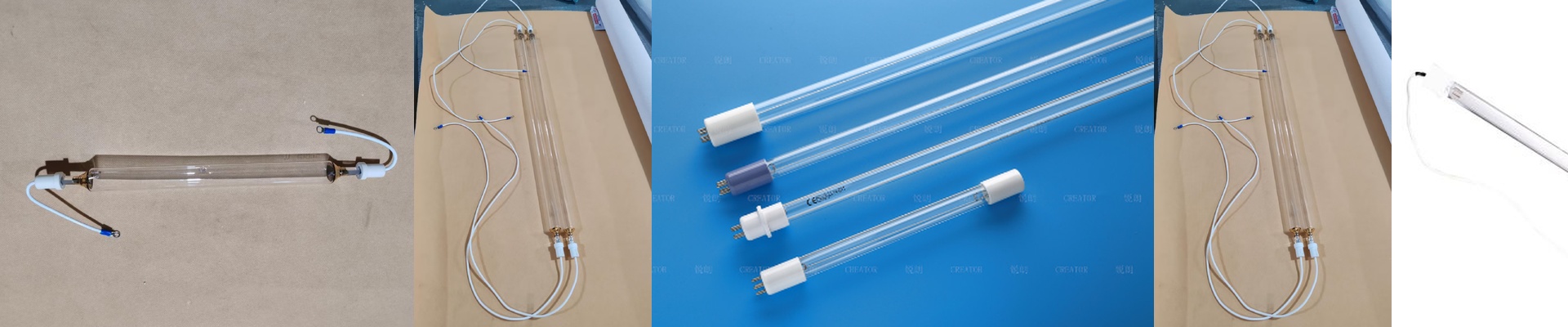
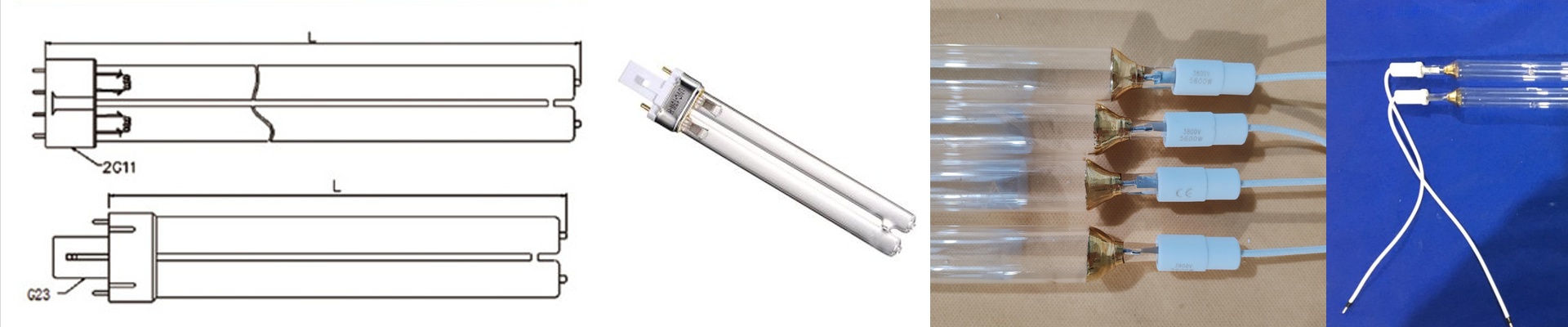
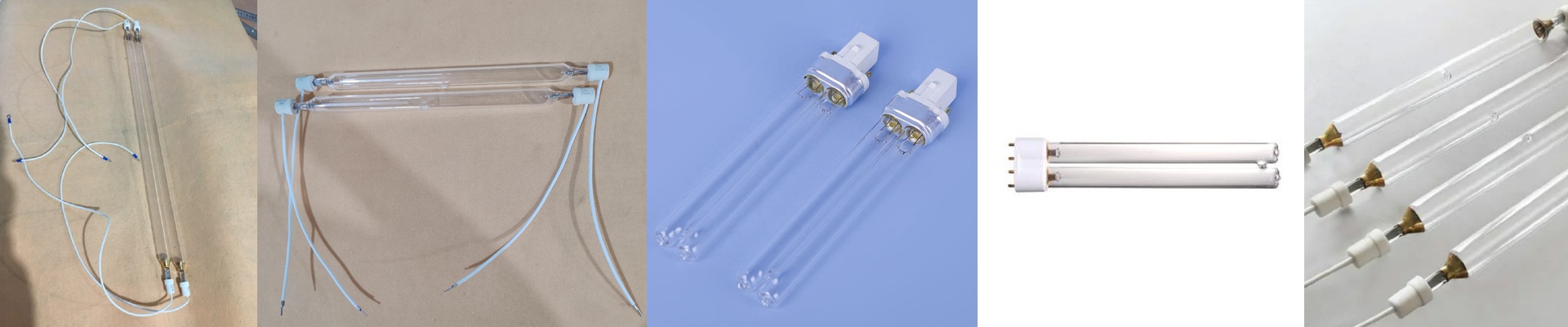
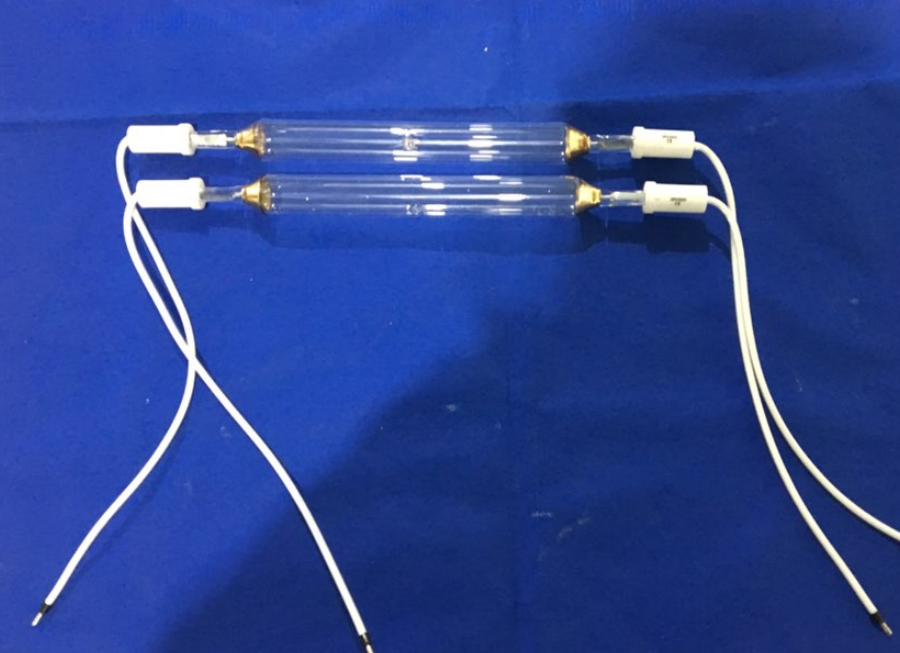
Getting the Most Out of Our 120W/cm Mercury UV Lamps
We designed our standard mercury UV lamps with a power density of 120W per centimeter because that’s the sweet spot for most small-to-medium print shops. It’s enough punch to get your UV inks to cure instantly, but not so much that you’ll fry your materials.
Speed vs. Heat
Think of that 120W/cm rating as your engine. The higher the density, the faster you can run your lines. It’s simple: shorter exposure times mean you’re cranking out more prints per hour. To make sure all that energy actually hits the ink—and doesn’t just get trapped in the lamp—we use high-purity quartz glass. One quick heads-up:**make sure your ballast matches this wattage.**If they aren’t in sync, you’re going to burn through your electrodes way faster than you should.
The Science (Simplified)
Inside the lamp, we’re basically exciting mercury vapor to create a broad spectrum of UV light. You need those UVC and UVB ranges to handle different ink chemistries. The real trick is keeping the arc stable. If the light flickers, you’ll end up with those annoying curing “stripes” across your work. Nobody wants that.
Putting It to Work
We didn’t want you to have to rebuild your entire setup just to use our lamps. That’s why we made them drop-in replacements. They should slide right into your existing reflectors and housings—no custom brackets or headaches required. But here’s the thing… 120W/cm puts out a lot of infrared heat along with the UV light. If you’re working with thin PET films or plastics that hate heat, you’ll need a cooling system. A chilled roller or some forced air works great. Without it, your material might warp, and the thermal stress will eat away at the quartz seals, killing the lamp’s lifespan.