Dealing with Electrical Noise in Gallium Iodide UV Systems
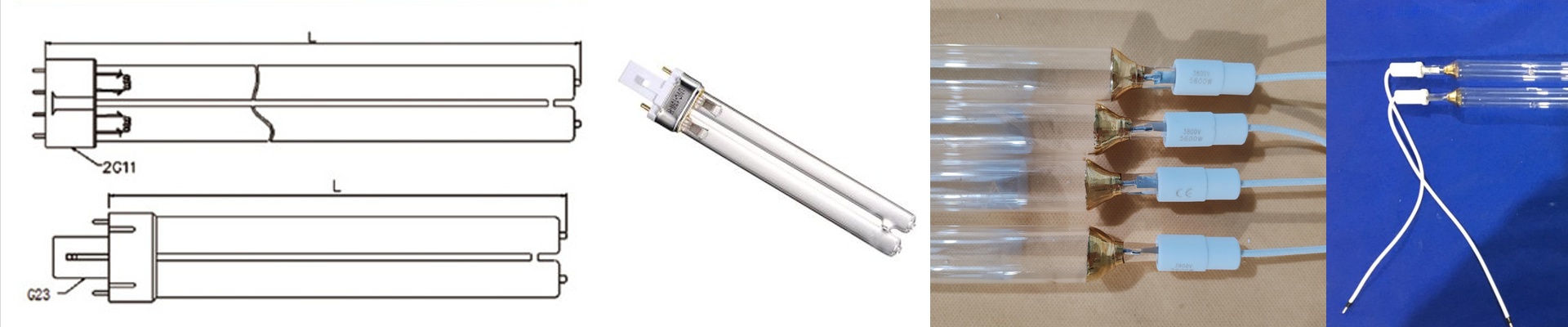
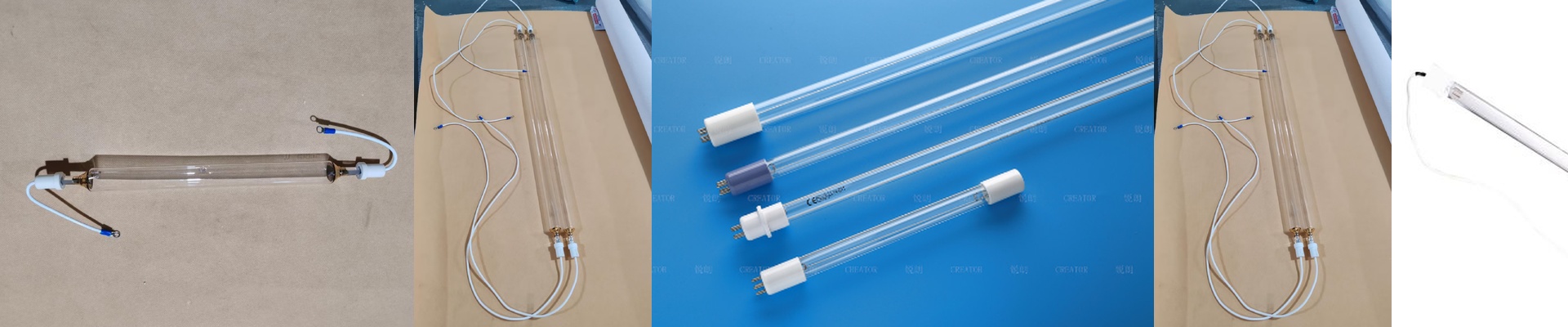
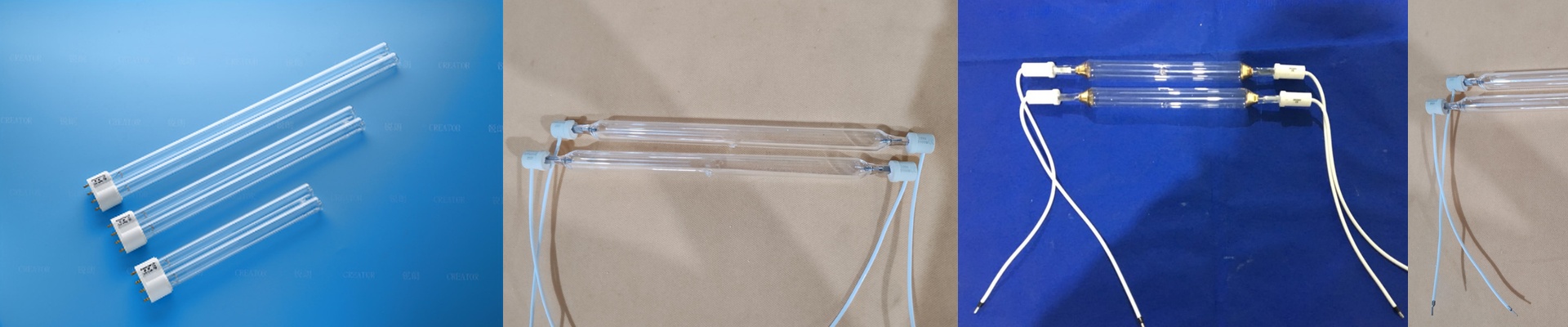
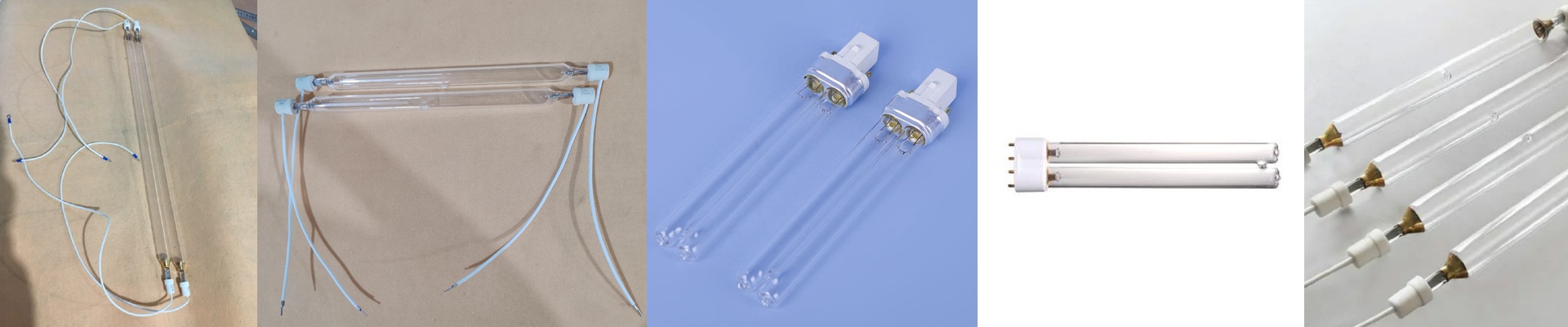
If you’re running a high-volume print shop, you know the drill. You’ve got several massive presses humming away side-by-side, pulling huge amounts of power. The problem? All that electricity creates a mess of electromagnetic interference. For most UV lamps, that “noise” is a nightmare. It leads to flickering, erratic output, or ballasts that just give up the ghost way too early. We built our gallium iodide lamps specifically to survive that kind of electrical chaos. Keeping things steady Here’s the thing: gallium iodide lamps rely on a very specific discharge curve. If your voltage jumps around, the lamp gets moody. When five or six presses kick in at once, those dips and spikes can make a standard lamp arc or just shut off entirely. We fixed this by tweaking the electrode geometry and the gas mix. It keeps the arc stable. So, even when your local power grid is taking a beating from the heavy machinery around it, your lamp stays lit and your UV intensity stays flat. Cutting through the noise Then there’s the “stutter.” You’ve probably seen it in cheaper UV systems—that tiny, rhythmic flicker that messes with your cure. We spec our components to shield the discharge tube from high-frequency noise. It makes a world of difference. You get a smooth, steady stream of UV light, which means no more weird uncured patches on your substrate and way fewer rejects in the bin. The catch: Heat Now, stability doesn’t mean you can just “set it and forget it.” These lamps run hot. To keep that output consistent, you’ve got to stay on top of your cooling blowers. Clean them weekly. No exceptions. If the tube overheats, the internal pressure shifts, and all that fancy electronic shielding won’t matter—you’ll lose your stability anyway. The best part? These are drop-in replacements. Just wire them into your existing ballasts and you’ll notice the difference in your output consistency from the first run.