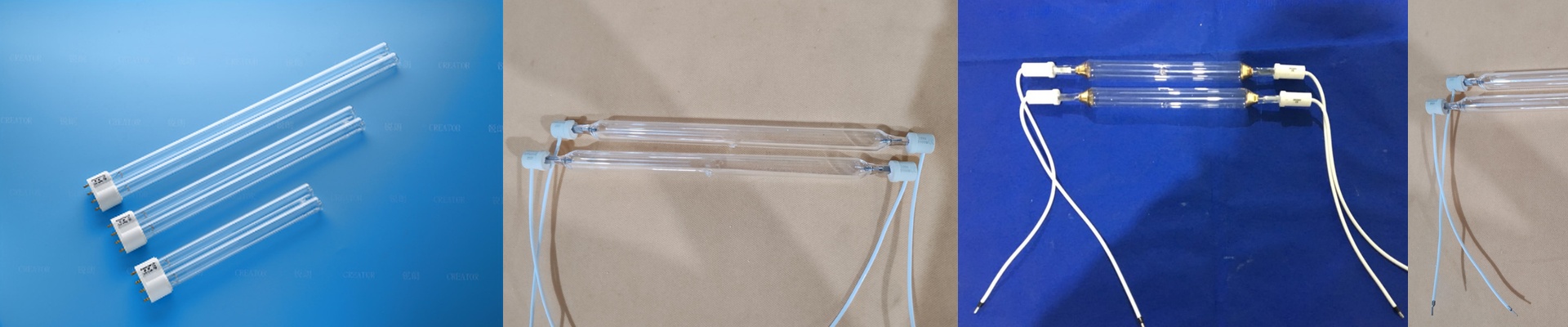
Getting Gallium Iodide Lamps Down to 0.5% Spectral Energy
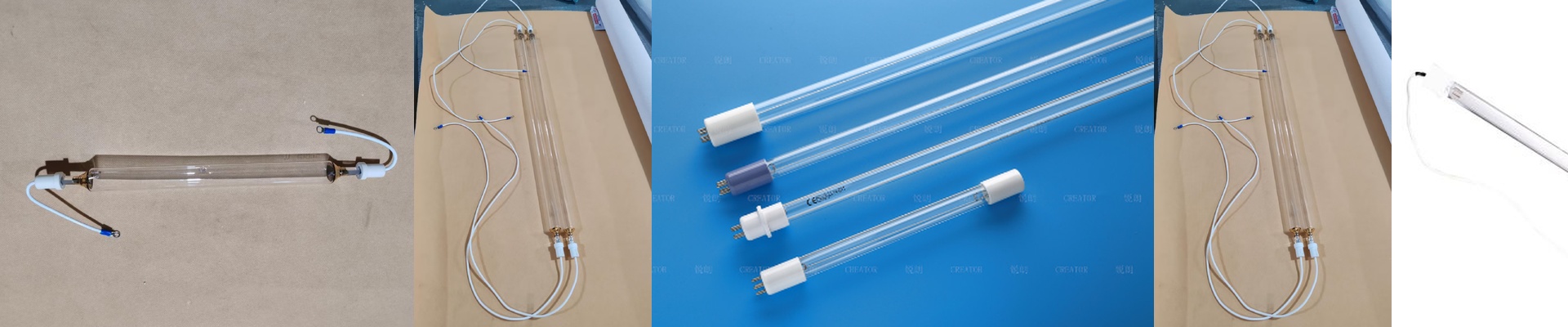
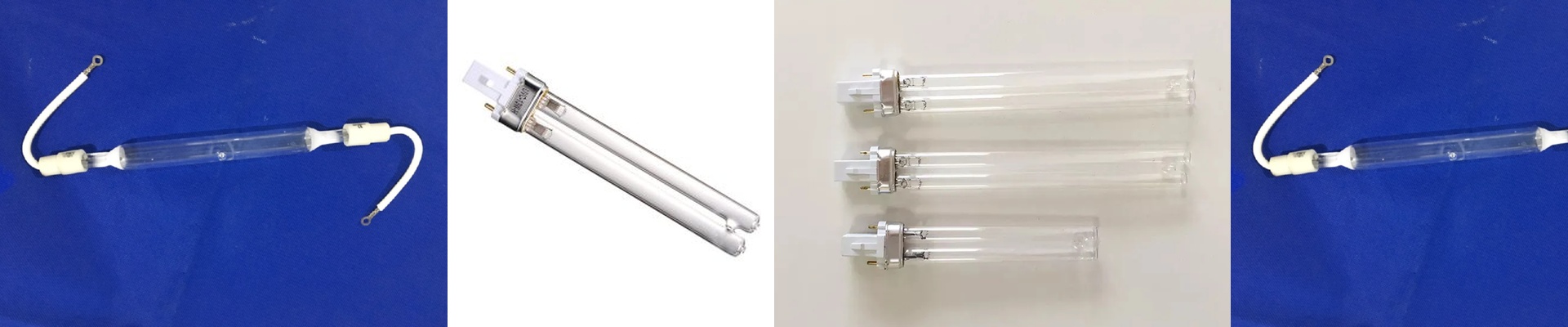
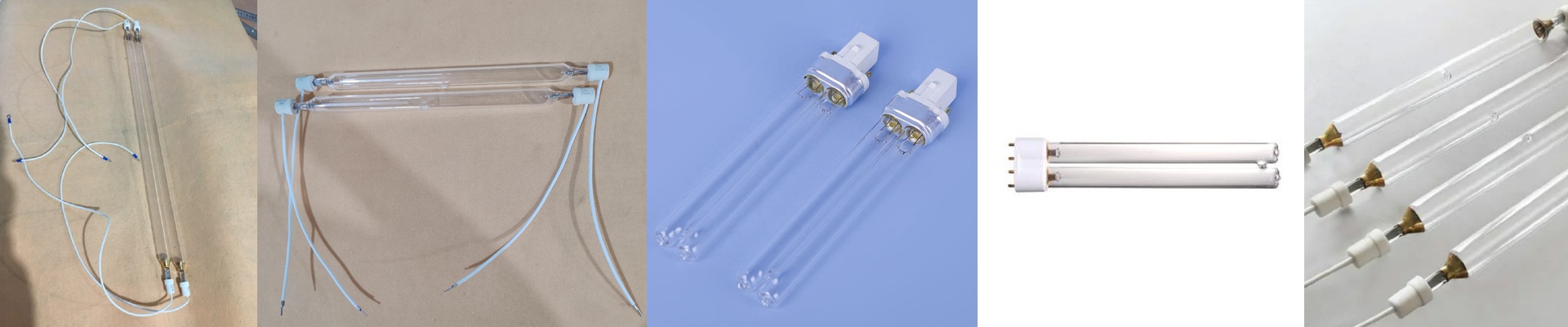
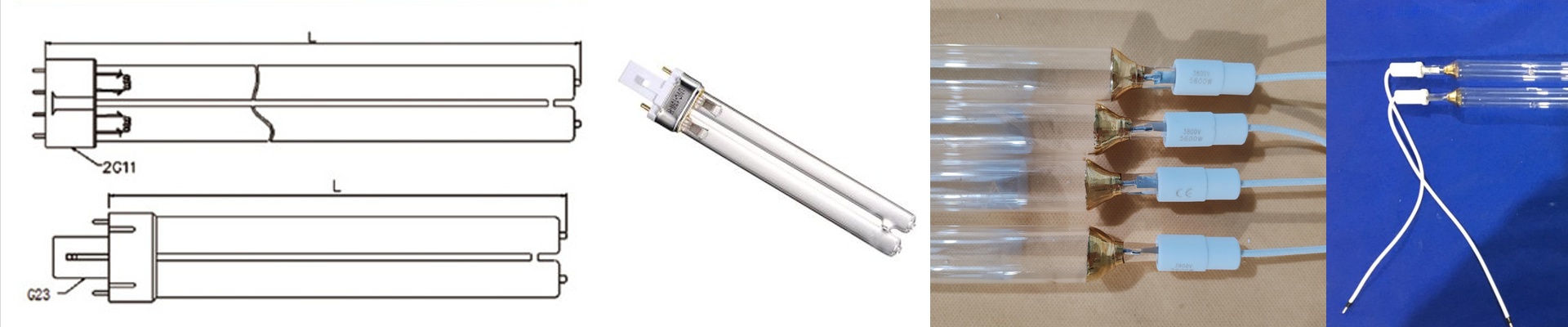
Most UV lamps you’ll find on the market are a bit too “noisy.” They throw out a broad band of light, which is fine for some things, but for high-end industrial curing or analytical work, that extra spectrum is just waste. It’s like trying to use a floodlight when you really need a laser. That’s why we dove into Gallium Iodide (GaI). We spent months messing with gas fills and electrode shapes just to shrink that window. The goal? A spectral energy concentration of 0.5%. The tricky part of the physics Here is how it works: we excite gallium atoms inside an iodide halogen cycle. This pushes the energy into very specific UV peaks. But it’s not as simple as just filling a tube and calling it a day. We have to obsess over the pressure and the exact ratio of gallium to iodine. If the pressure is off by even a tiny bit, the peak shifts. And once it shifts, your spectral purity is gone. To keep things clean, we use high-purity synthetic quartz so the lamp envelope doesn’t soak up the very light we’re trying to push out. The trade-offs (because there’s always a catch) When you squeeze that much energy into such a narrow window, things get hot. Really hot. That concentrated energy puts a massive heat load on the ends of the lamp. To keep the electrodes from just burning up, we switched to heavy-duty tungsten alloys and tweaked how we seal them off. It gives you the precision you need, but you’ve got to make sure your housing has active cooling. If you don’t have a solid heat sink, the heat will cause the wavelength to drift during a long production run, and you’re right back where you started. A few tips for the engineers If you’re putting these into your setup, they should slide right in as replacements for standard UV lamps—as long as your power supply can handle the specific strike voltage GaI requires. We built these for the people who can’t afford any spectral overlap. Just one piece of advice:**double-check your reflector alignment.**If your mirror is slightly off, it’ll scatter that concentrated beam, and all that 0.5% precision we worked so hard on goes right out the window.