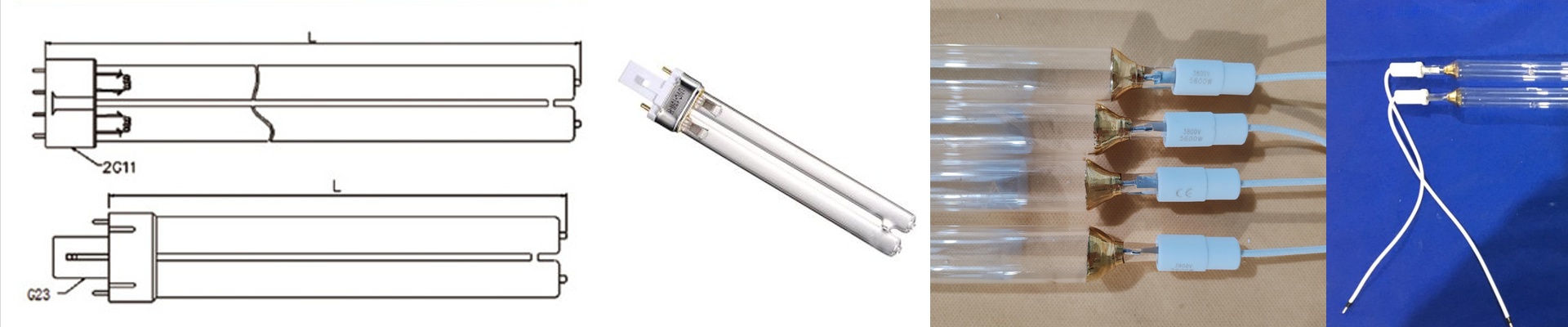
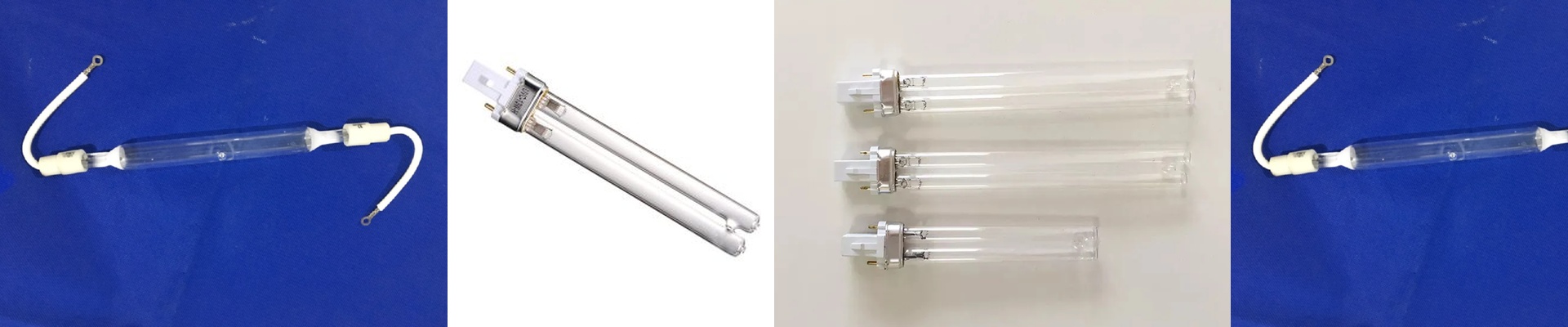
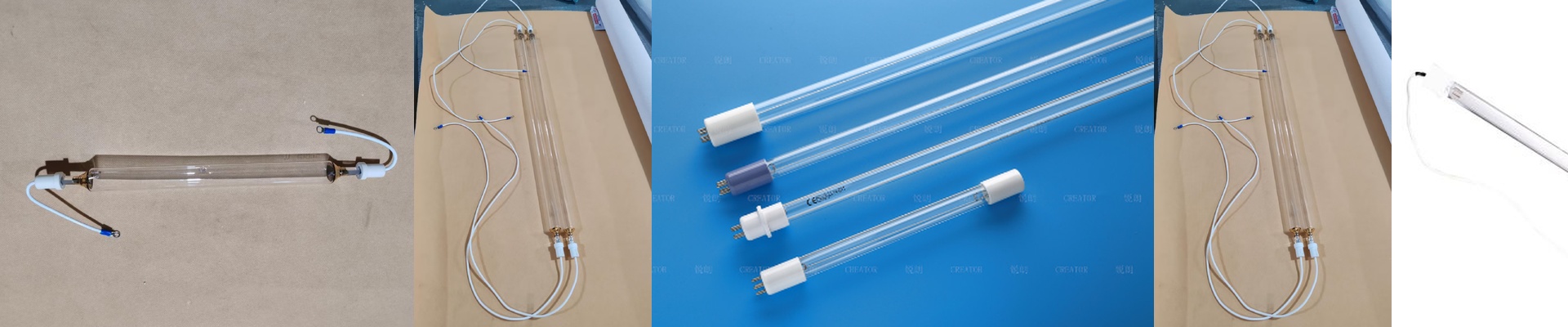
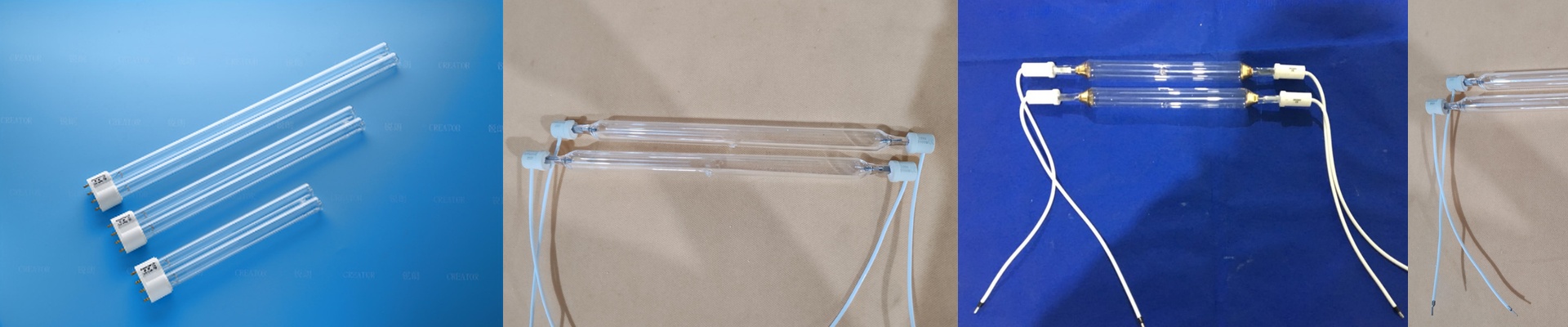
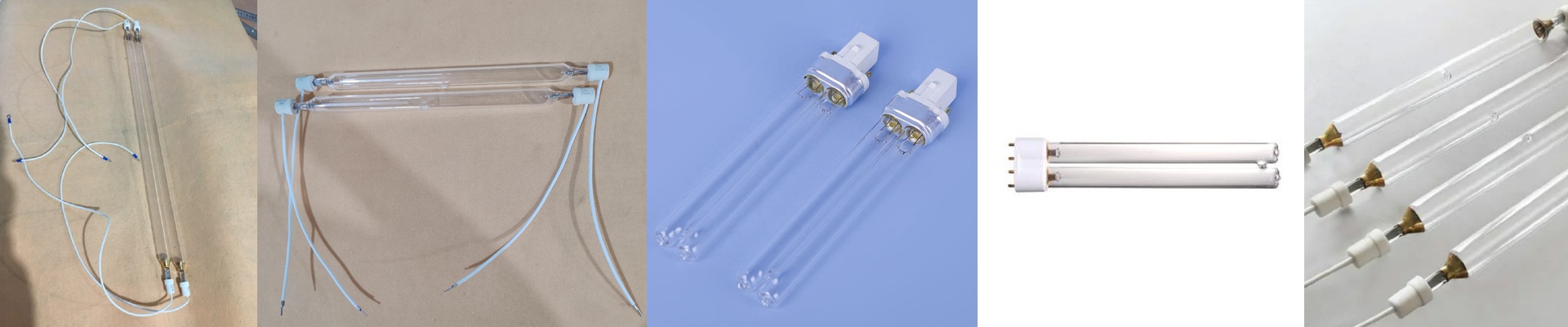
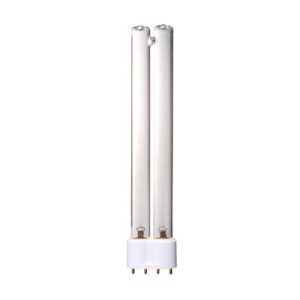
On the textile floor, a UV lamp isn’t a spotlight—it’s the anchor point for the whole process. Whether you’re setting pigment binder on fabric or curing adhesive on labels, the run from blank roll to finished garment hinges on curing that’s repeatable, fast, and spectrally right. Undercure plugs up downstream lines. Overcure burns energy and chews up elasticity.
What matters under the hood
We built this iron-doped gallium iodide lamp around a spectral profile matched to photoinitiator absorption in UV-curable inks and coatings. It holds a stable output centered on 365–395 nm, with short-wave content controlled so you don’t get surface-only cure—you get through-cure, even on heavier ink deposits. At the focal plane, peak irradiance hits 1200 mW/cm², which translates to 600–800 mJ/cm² in typical screen/flexo duty cycles. The quartz envelope and dichroic reflector assembly keep spectral drift under 3% after 1000 hours, so setpoints stay consistent run after run. Run it within 1200 W/cm and 220–240 V, and you can expect 5000+ hours with 80% output retention.
Why this plays on textile lines
Textile runs move at line speed, and the lamp keeps up. In screen, it cures thick white base layers without pinholes, and still leaves the hand feel intact on knits. In flexo, it supports 200 m/min without hot-cold banding, so you can fold and sew right away. Energy draw drops 18–25% compared with standard mercury systems, and ozone-free operation makes ventilation simpler. Fewer lamp changes mean fewer stops and steady OEE.
The practical details that keep it honest
Installation has to be exact—fixture matching and verified reflector alignment are how you hit the stated irradiance profile. The lamp is sensitive to airflow and operating temperature; keep the reflector at 45–55°C to protect the dichroic coating life. Make sure your printer controller supports the lamp’s ignition profile and power ramp. If it doesn’t, use the interface module so the start-up sequence isn’t fighting itself.