Getting Your PCB Curing Right with Gallium Iodide Lamps
If you’ve ever dealt with a batch of scrapped boards because the photoresist didn’t cure properly, you know how frustrating it is. It’s a nightmare. That’s exactly why we build our gallium iodide lamps. They hit those specific UV wavelengths you need to get the job done right, every single time, even when your assembly line is screaming along at full speed.
The Technical Stuff (Simplified)
Here’s the thing about these lamps: they’re designed to target the curing agents in your photoresists specifically. If you need to speed up your conveyor, you just need more “punch”—which means higher wattage. More photons hitting the board means you can move faster without worrying about under-curing. But a word of caution:**watch your voltage.**Make sure your lamp and ballast are a perfect match. If you push too much power through the tube, you’ll fry the electrodes, and you’ll be replacing lamps way sooner than you should.
Making Them Fit Your Setup
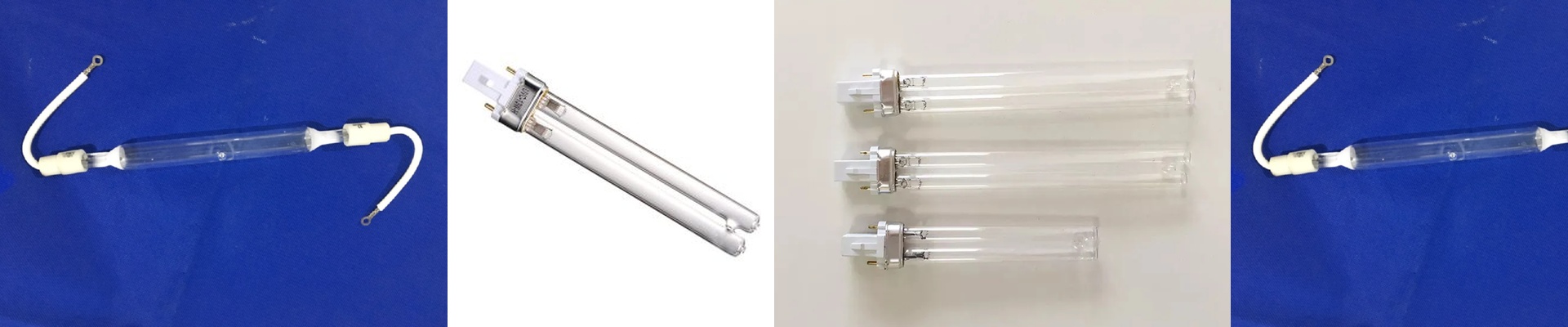
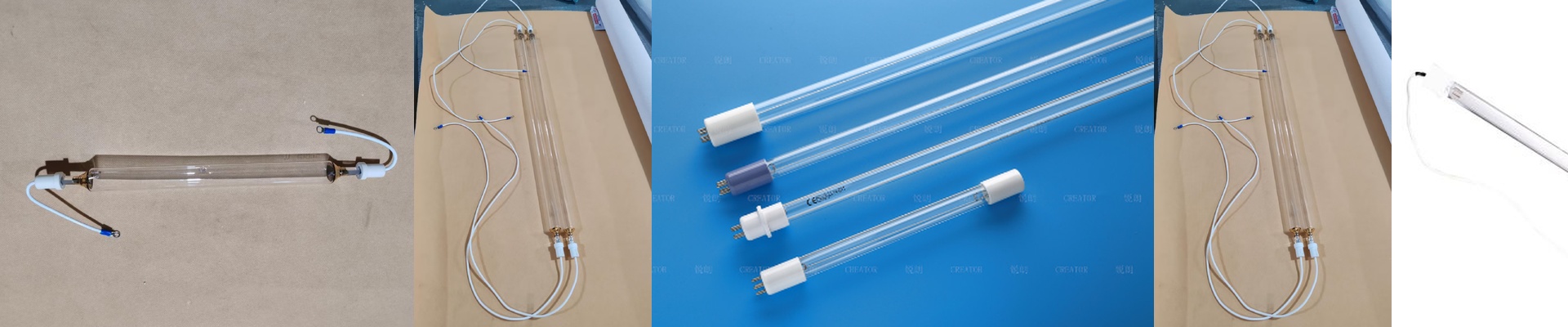
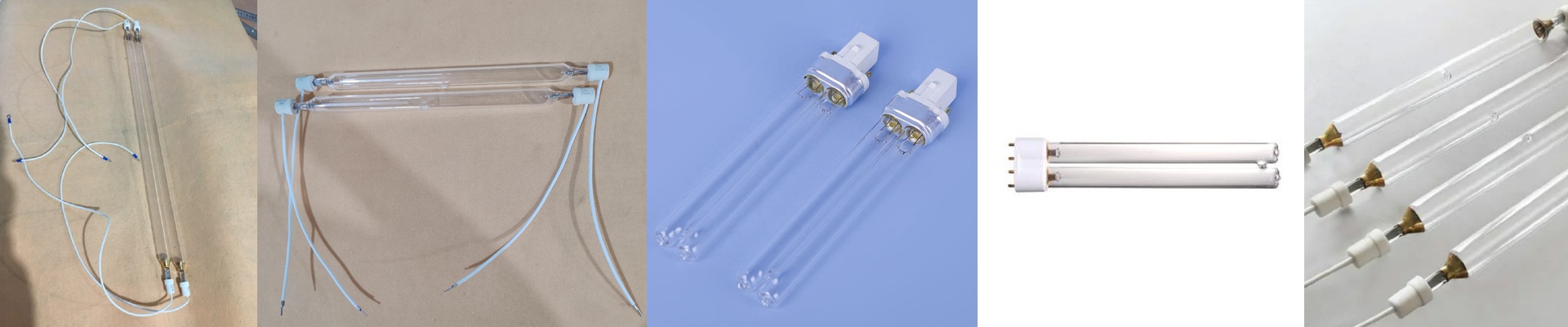
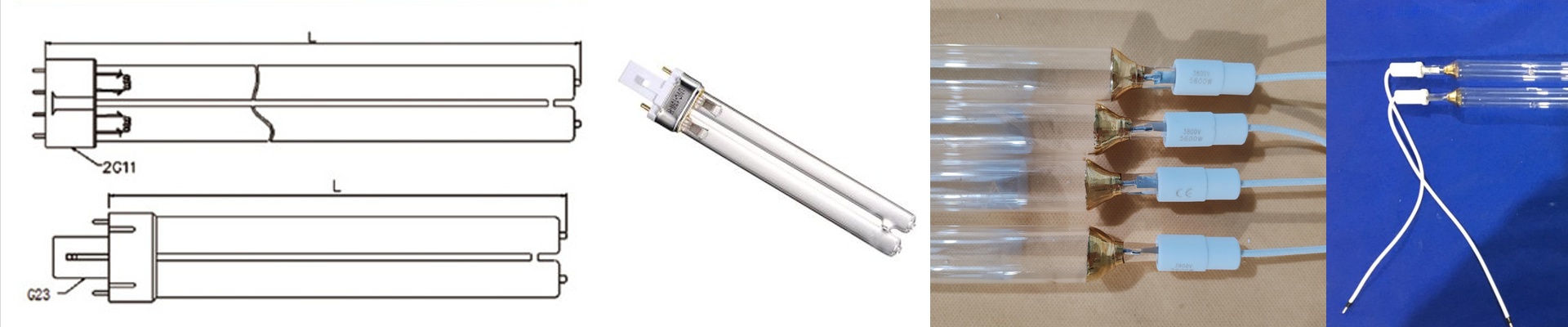
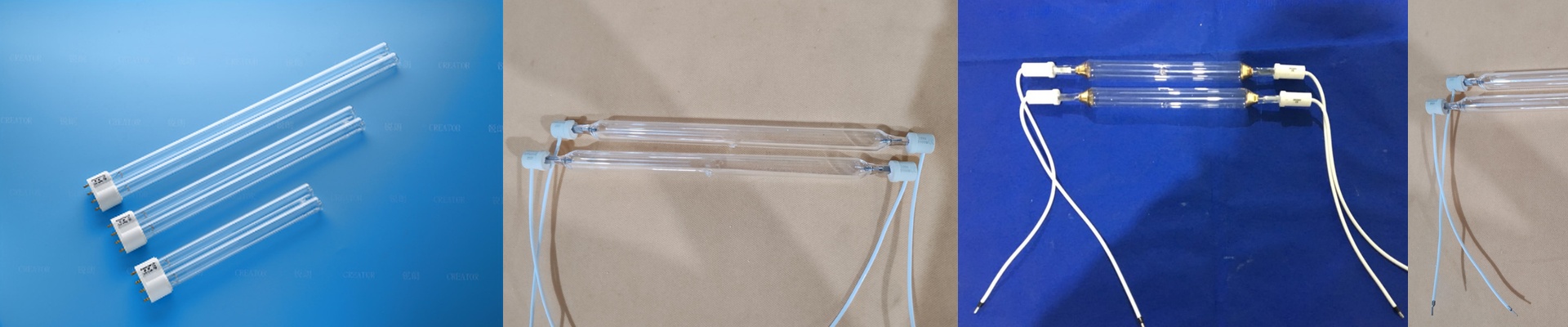
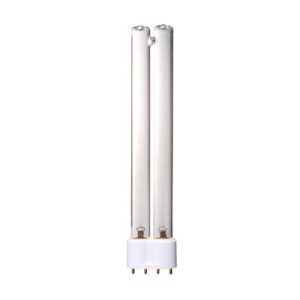
We do OEM work, but it’s more than just slapping your logo on a box. We actually customize the physical build. We can tweak the length, the diameter, and the end-caps so the lamps just slide right into your existing fixtures. No hacking, no rigging—just a clean fit. We use high-purity quartz glass, too, because standard glass would just soak up all that UV light before it ever hit your boards. And since every shop wires things differently, you can pick the connector configuration that actually works for your layout. Some of our clients use specialized sockets just to handle the heat at the ends of the lamp.
The Trade-offs You Need to Know
Look, these lamps are powerful, but they runhot. Really hot. You can’t just tuck these into a closed box and hope for the best. You need active cooling. If your exhaust fans quit, the heat builds up, the spectral peak shifts, and suddenly your photoresist isn’t curing the way it should. To avoid those annoying “dark spots” on the edges of your boards, we’ll help you figure out the exact wattage and length based on your PCB width. We’ll send over the technical datasheets so your engineers can double-check the irradiance levels before you go full-scale. It’s better to be safe now than to waste a thousand boards later.