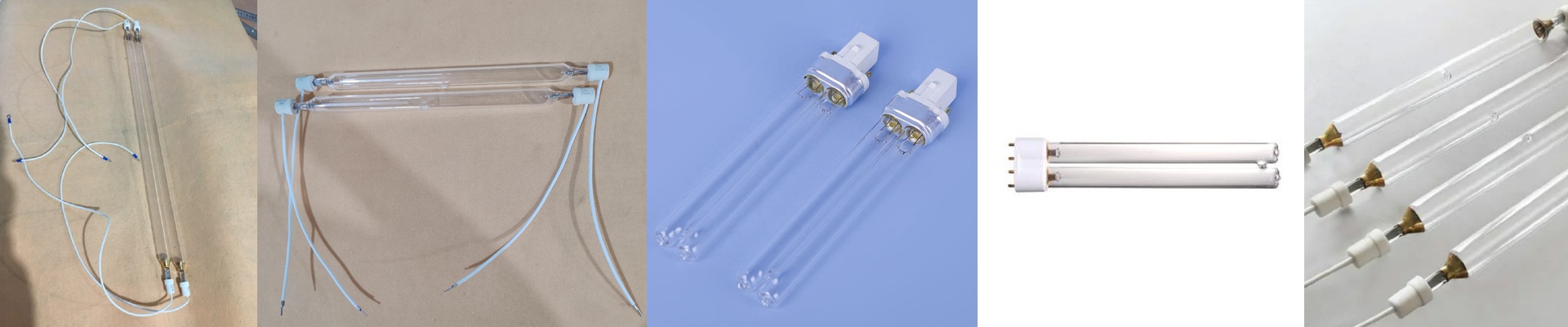
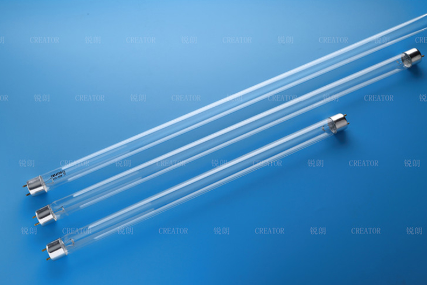
Stop the Flickering: Dealing with Noise in Your UV Curing Lines
If you’ve got a few large printing presses running in one shop, you know the headache. It’s a mess of electromagnetic interference. Those high-frequency ballasts and power supplies from the machine next door leak noise into your lines, and it’s a nightmare. If your UV lamps aren’t built to handle that, you’re going to see it. Flickering. Unstable output. Or worse, your ballasts just give up the ghost way too early.
How we keep things steady
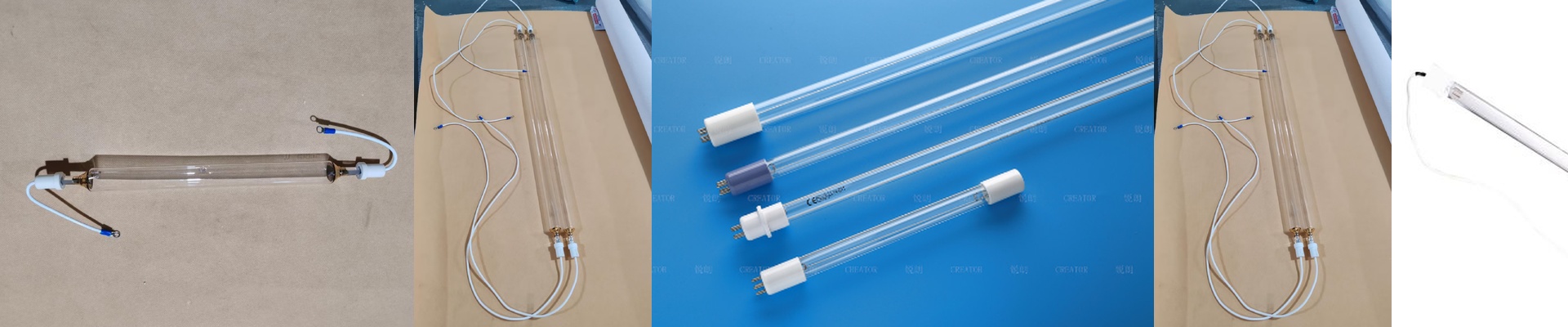
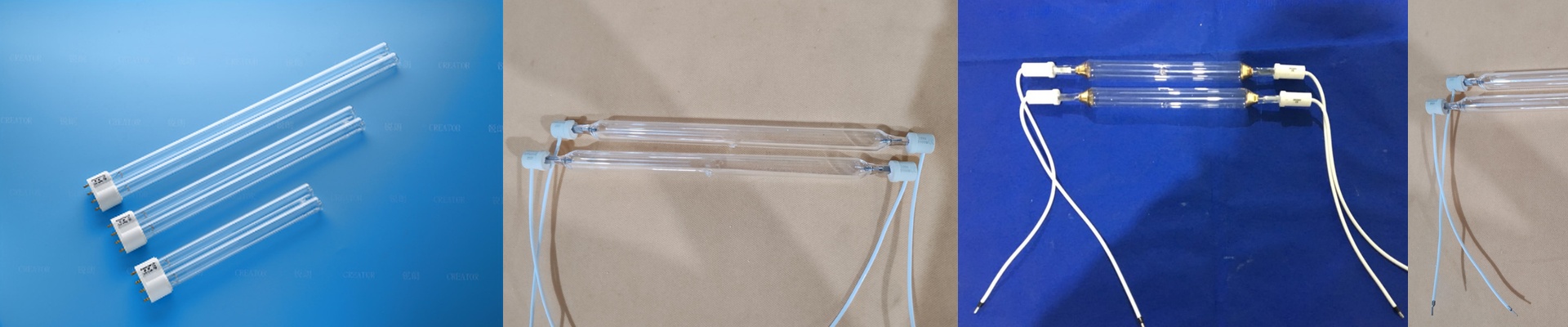
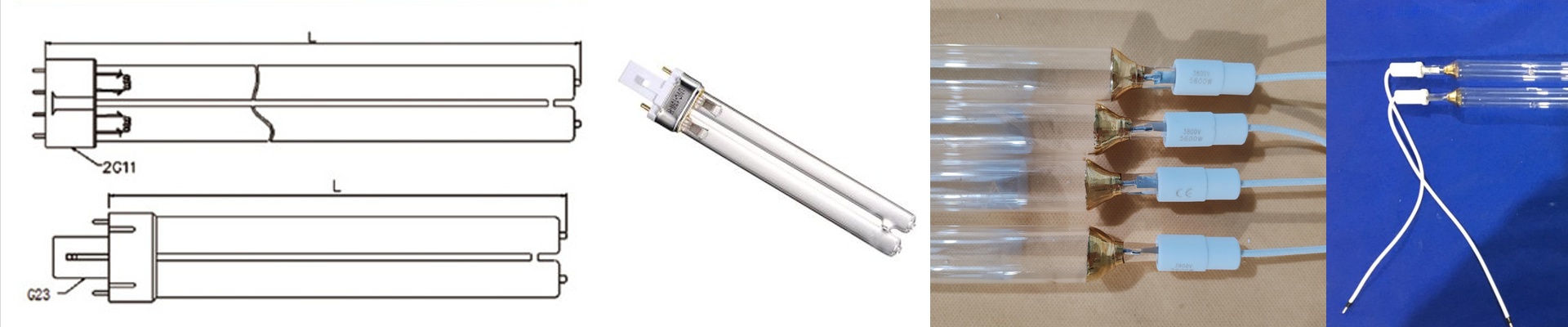
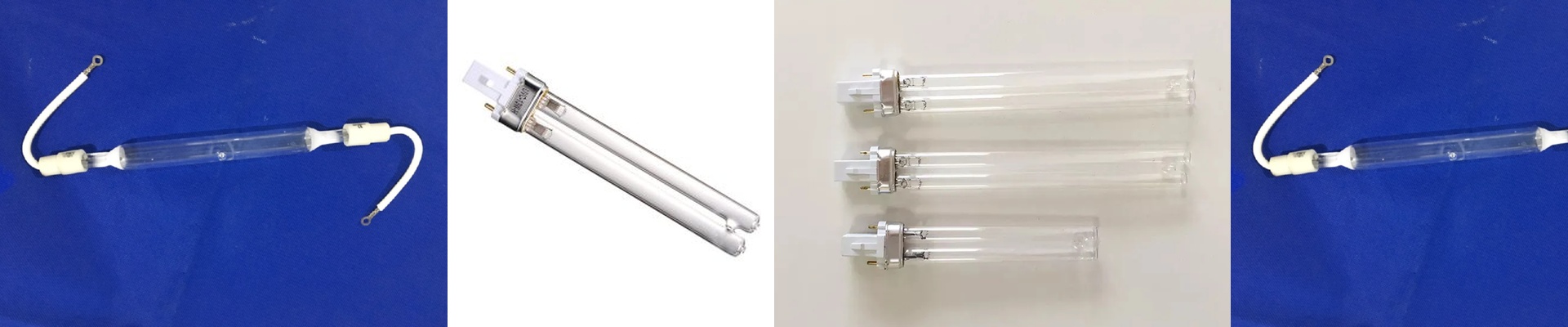
We build our lamps specifically for “dirty” power. Most of the stability issues you see come from voltage spikes or harmonic distortion—basically, the other heavy machinery on your grid is messing with the flow. To fix this, we focused on the impedance matching between the lamp electrode and the power source. We also packed our circuits with reinforced filtering components. Think of it as a shield that blocks out high-frequency noise. The result? The arc stays stable, even when the room is saturated with interference. When the arc is steady, your curing speed is consistent. You won’t have to deal with those annoying “stripes” on your substrate that happen when the UV intensity jumps around.
Making it work on the floor
In a real factory, these lamps are usually wired in long rows. The problem is, that layout can act like a giant antenna, soaking up interference from every motor in the vicinity. To stop that, we use shielded cabling and sockets that are actually engineered for precision. It keeps the signal clean. But here’s the thing: while our lamps are great at resisting external noise, they still pull a lot of current. You’ve got to make sure your plant’s grounding is tight. If your grounding is sloppy, it doesn’t matter how much shielding we build into the lamp—you’ll still get ghosting or triggers that act erratic.
What this actually means for you
For the engineer on the floor, this is a huge relief. You can stop chasing those “phantom” faults—the ones that only show up when the press in the next bay kicks into high gear. You just drop these in, and the curing line stays steady. Your output stays uniform across the whole web. It doesn’t matter how many other machines are humming in the room; your gear just does its job.