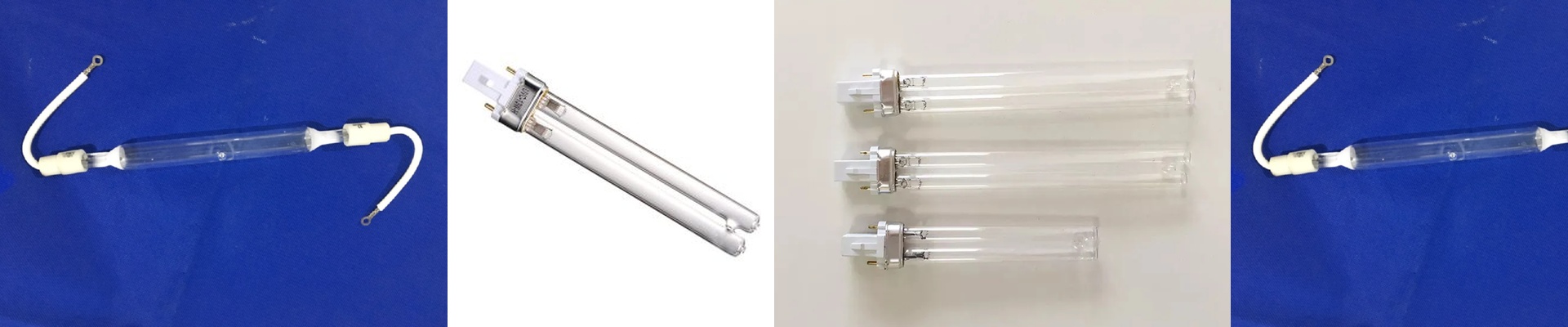
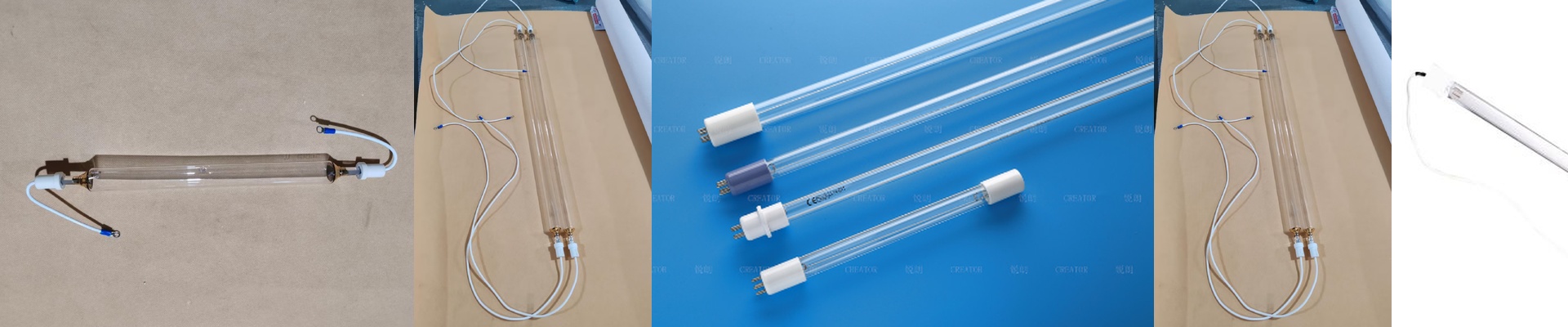
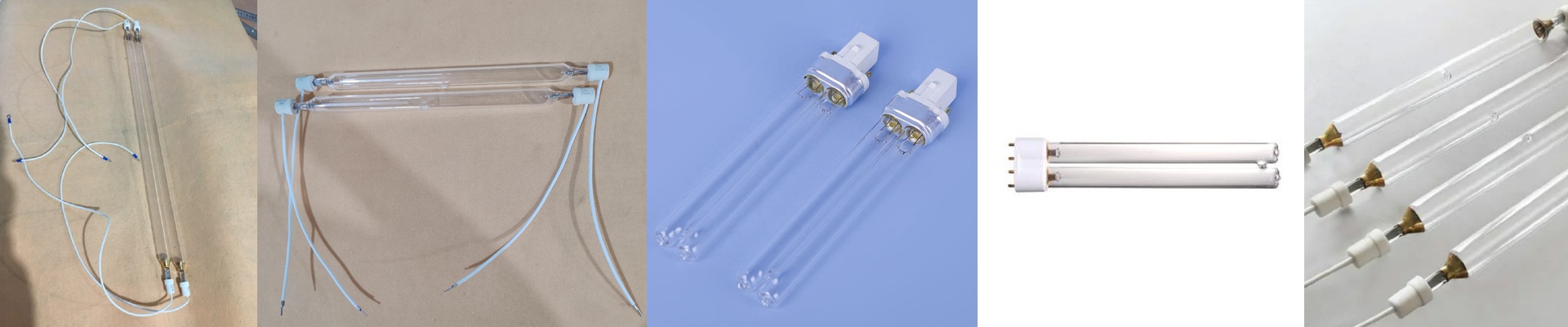
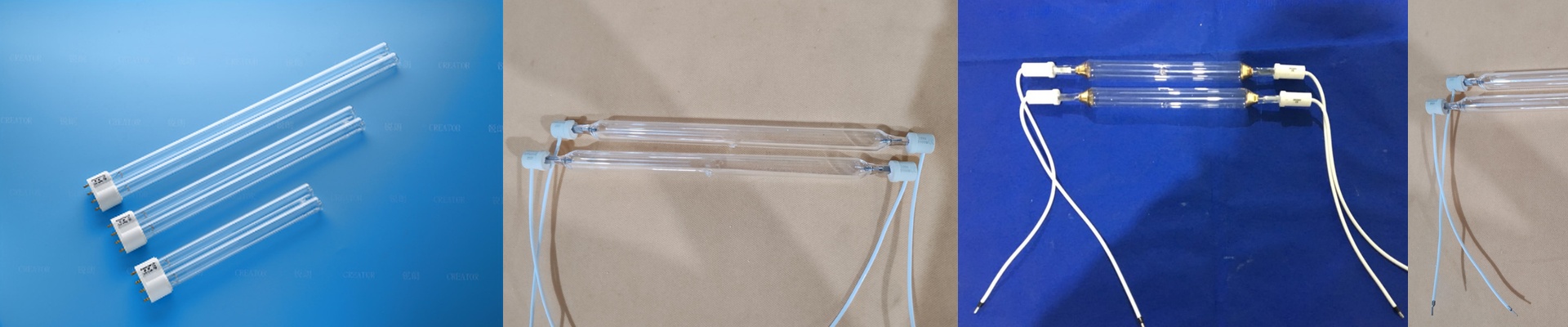
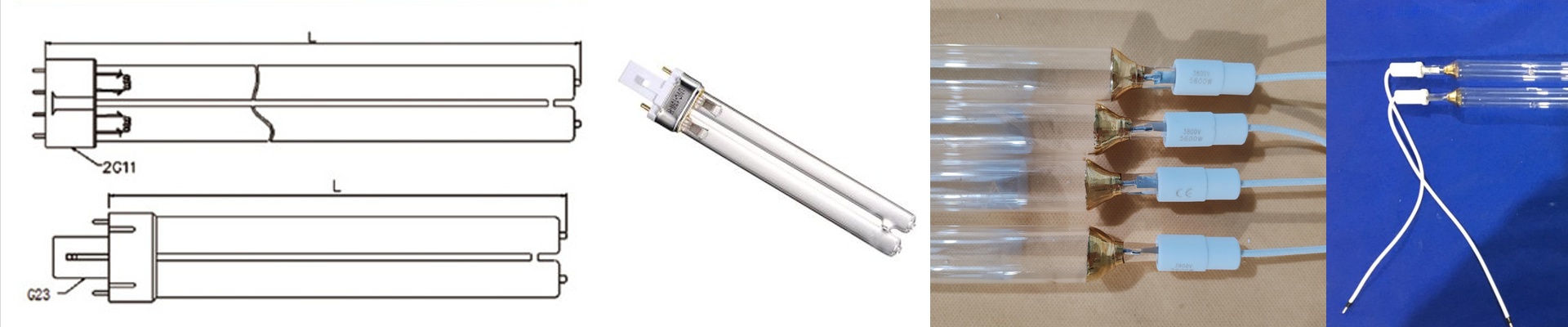
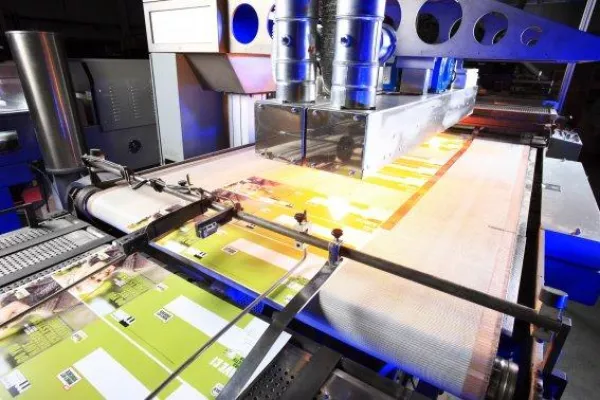
We spent some time visiting 3,000 printing plants. We wanted to see where UV lamps actually die and why. What we found was pretty consistent: most shops are dealing with lamps that burn out way too early or just can’t keep up when the line speeds up. After seeing those floors in action, we stopped designing in a vacuum. We started focusing on the real struggle—balancing the light output with the heat. Getting the power right Here’s the thing about UV curing: it’s all about getting photons exactly where they need to be. We make sure our replacements match your existing ballasts perfectly. Why? Because if you push a lamp past its rated voltage, you’re basically killing the electrodes. We focus on keeping the arc stable. When the arc is steady, the curing is consistent across the whole web. You don’t have to worry about those annoying “zebra stripes” or patches of uncured ink ruining a run. The build We use high-purity fused quartz. It’s tough. It handles the shock of rapid start-stop cycles much better than the cheap stuff. Plus, we designed these as true drop-in replacements. The dimensions are exact. You won’t have to mess with your reflectors or tweak your conveyor height. You just swap them out and get back to work. No wasted hours. The trade-offs Now, there’s a catch. Higher intensity lamps cure ink faster, but they run hot. If you jump to a higher-wattage tube to crank up your line speed, your cooling system has to be able to handle that extra heat. If the airflow isn’t there, you’re going to see warped substrates or scorched paper. It’s a balancing act. We build these lamps for the grit of a real production floor. They’re made to take a beating from heat and vibration. No guesswork, no surprises. Just plug them in and run your press.