Getting Your UV Cure Right: The Truth About Gallium Iodide Lamps
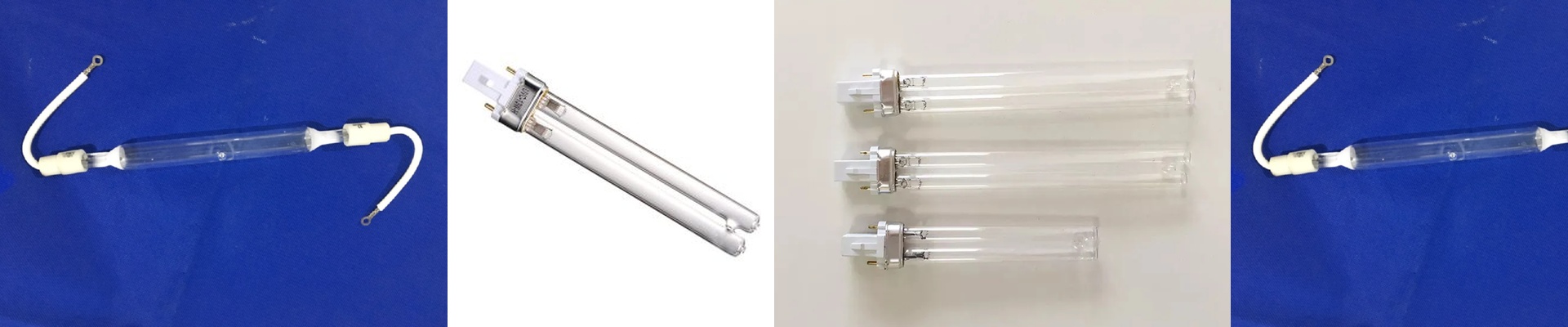
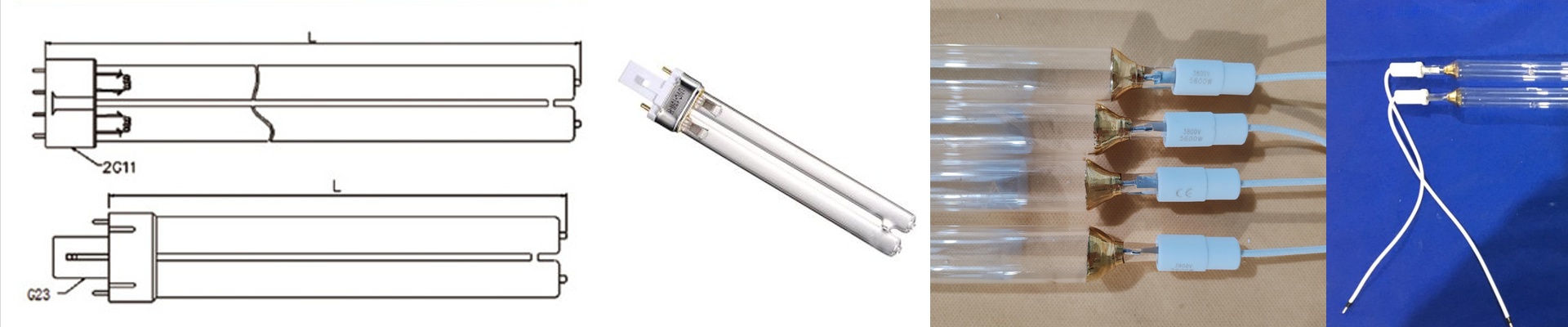
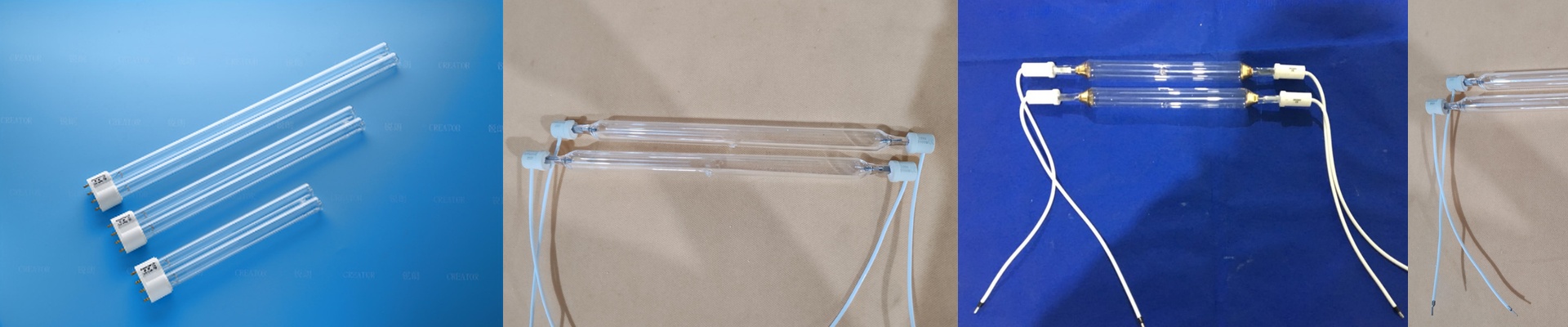
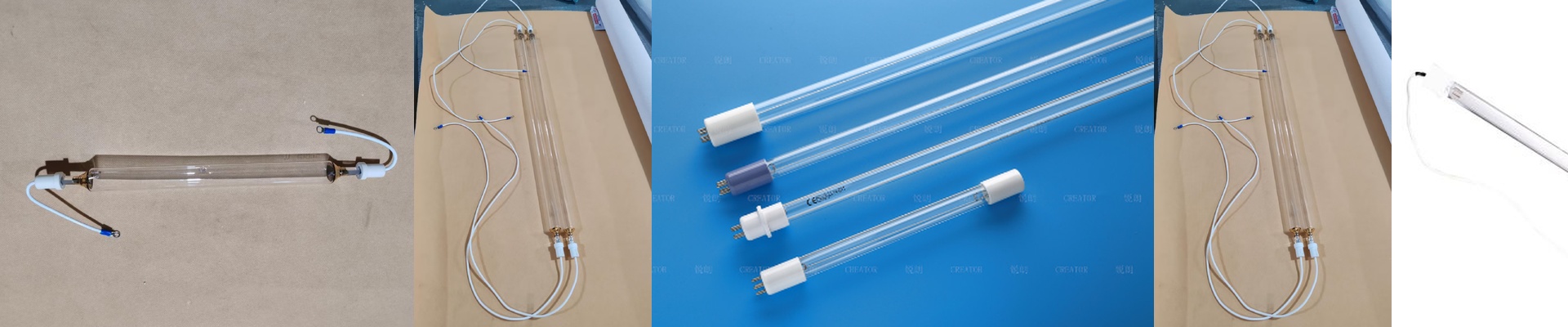
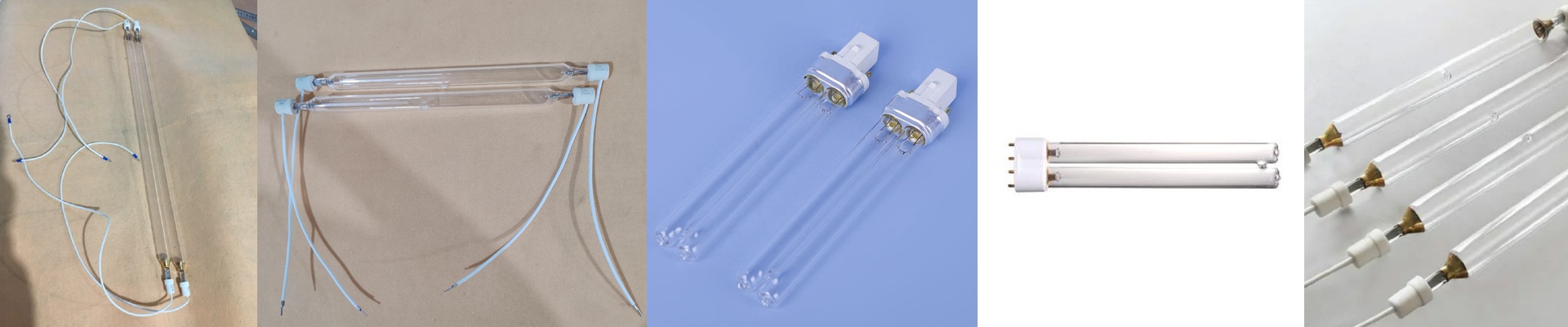
Ever had a batch of prints look perfect on the surface, only to have the ink peel off like a bad sunburn? It’s frustrating. Usually, it’s because your UV lamps are just hitting the top layer. If you’re working with thick inks or heavy pigments, standard lamps just can’t punch through. They hit a wall. That’s where our gallium iodide lamps come in. Instead of a basic mercury arc, we dope the lamp with gallium. This shifts the light to longer wavelengths—things like the i-line. In plain English? The light actually travels deeper into the ink. It doesn’t just “skin over” the top; it reaches the bottom of the film and triggers the cure where it actually matters. No more peeling. No more guesswork. Making it fit your line We don’t believe in “off-the-shelf” solutions because every conveyor speed is different. You tell us the length and wattage you need, and we build it. But here’s the thing: you can’t just crank up the wattage and call it a day. Too much power puts a massive strain on your reflectors. We spend a lot of time tweaking the electrode geometry so the ends of the tube don’t burn out prematurely. And if your current rig is running too hot? We can play around with the tube diameter or the gas mix to find that sweet spot between raw power and heat. The catch (because there’s always one) I’ll be honest with you: gallium lamps aren’t a magic wand. They run hotter than standard mercury lamps. Period. If you try to swap these into a system built for low-heat curing, you’re asking for trouble. You might warp your housing or, worse, scorch the very product you’re trying to cure. Before you plug anything in, we need to look at your cooling fans and air-knives. We’ll sit down with you, look at your power supplies and cooling loops, and make sure your setup can actually handle the heat. It’s better to catch a cooling issue on paper than to smell burning plastic on the factory floor.