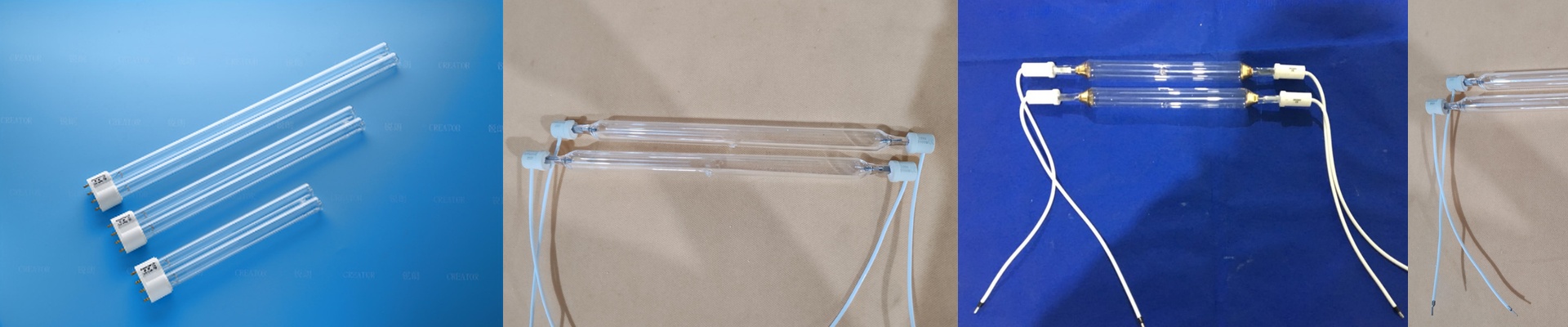
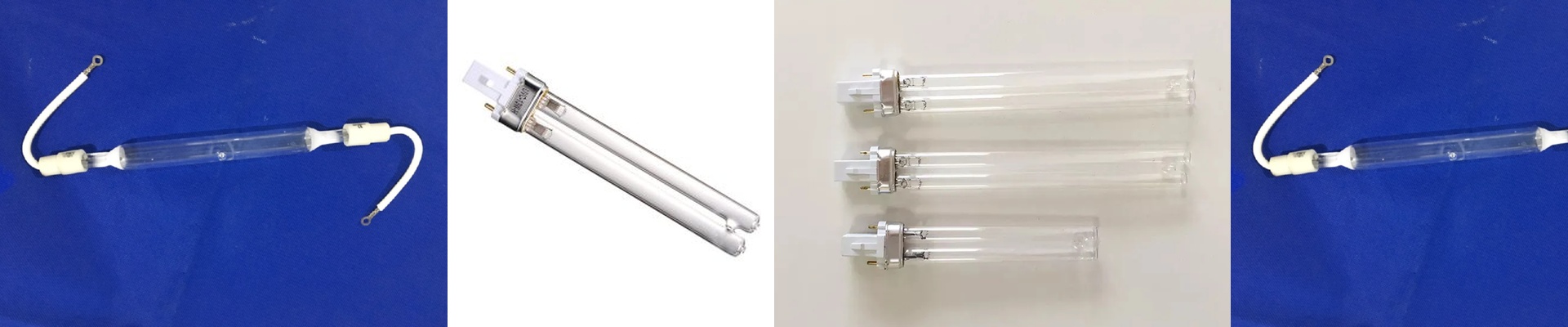
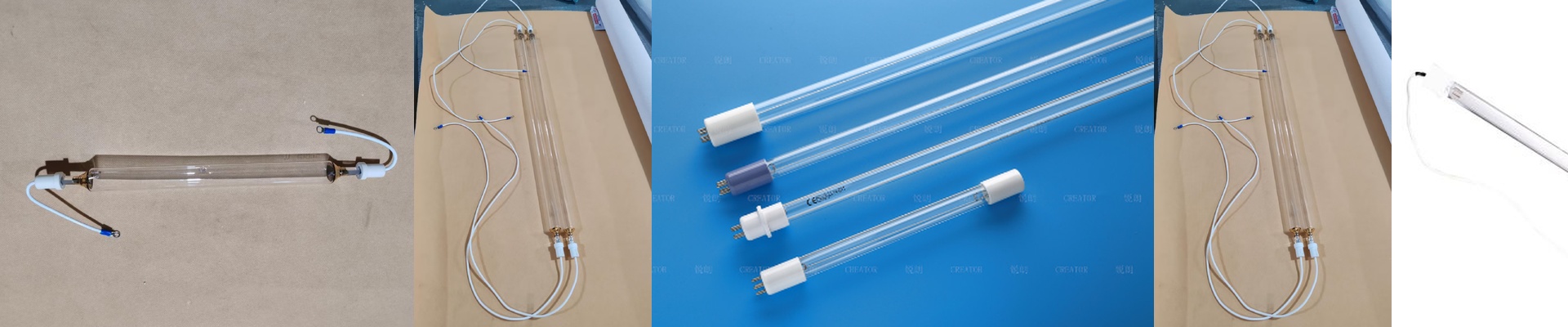
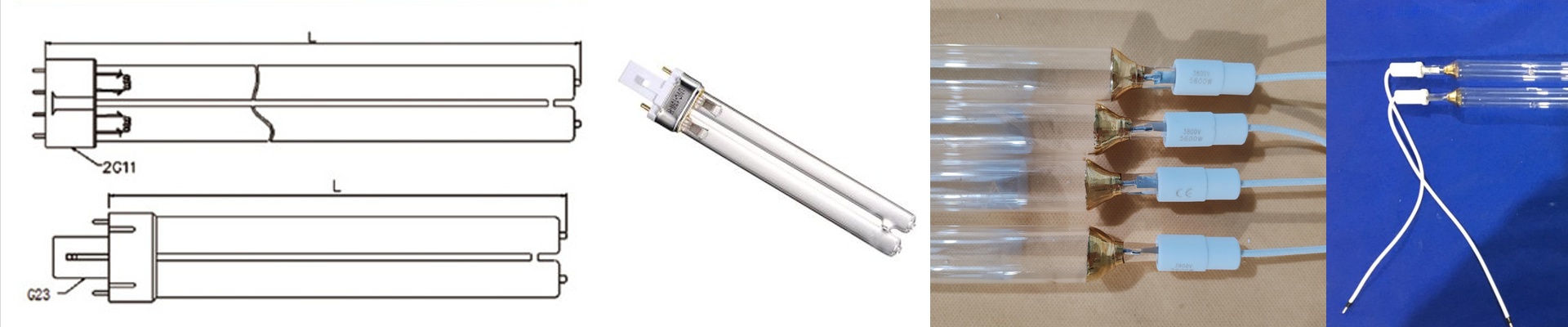
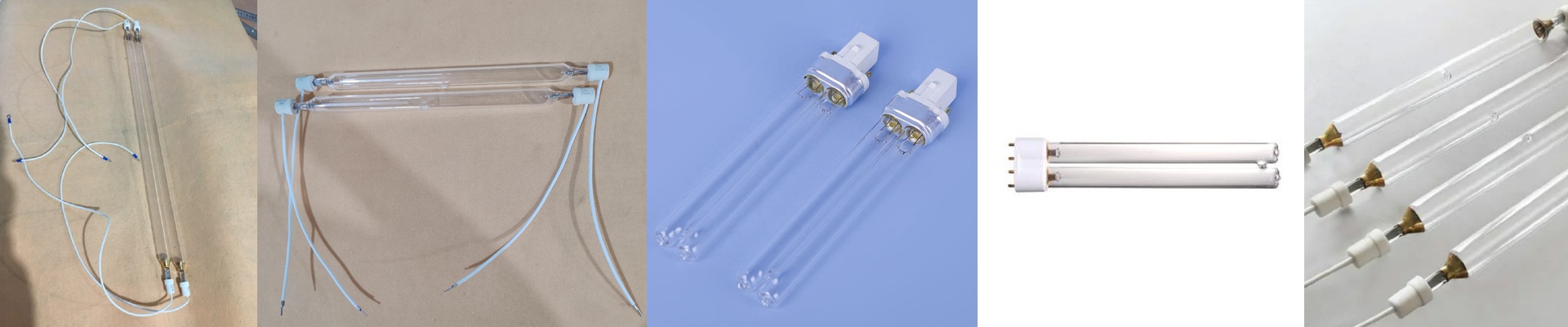
Why that “CE” Stamp Actually Matters for Your UV Lamps
Let’s be honest. Most people see CE certification as just another piece of paperwork to check off a list. But in the world of UV curing, treating it like a formality is a risky move. Think of it less as a badge and more as a safety net. It’s the difference between a system that runs smoothly and one that fries your control boards or, worse, starts a fire on your shop floor. The messy side of engineering Here is the thing about UV lamps: they deal with high-frequency ballasts and massive electrical loads. That’s a lot of energy. If the hardware isn’t built right—specifically following LVD and EMC rules—those lamps start “leaking” electrical noise. You might not see it, but your equipment does. That noise can trip your sensors or suddenly crash the PLC running your conveyor belt. It’s a nightmare to troubleshoot. We spend the time building our housings to keep that interference locked inside, so your other gear can just do its job. Avoiding the headache If you’re dropping a lamp into a high-end line in Europe or North America, you can’t just wing it. Insurance guys and safety inspectors are going to look for that CE mark first. And if something goes wrong? If a non-certified lamp causes a plant outage, the blame (and the bill) lands right on the person who installed it. We take care of the grueling stuff—testing for leakage current, thermal stability, and dielectric strength—so you don’t have to sweat a site audit. The real cost of “cheap” Yes, certified lamps cost more to make. We have to use better insulation and tighter components to pass the tests. But there’s a payoff. You avoid that annoying “burn out” you see with the cheap alternatives. You get a lamp where the power output stays steady instead of drifting over time. Just a heads-up, though: a CE stamp isn’t magic. You still need proper grounding. If your factory wiring is a mess, no amount of certification will save your ballast from a power surge.