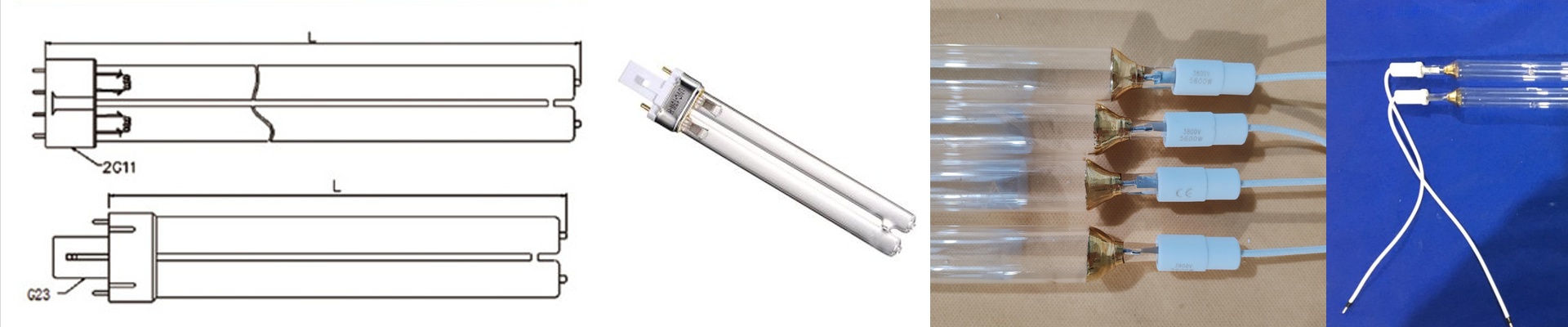
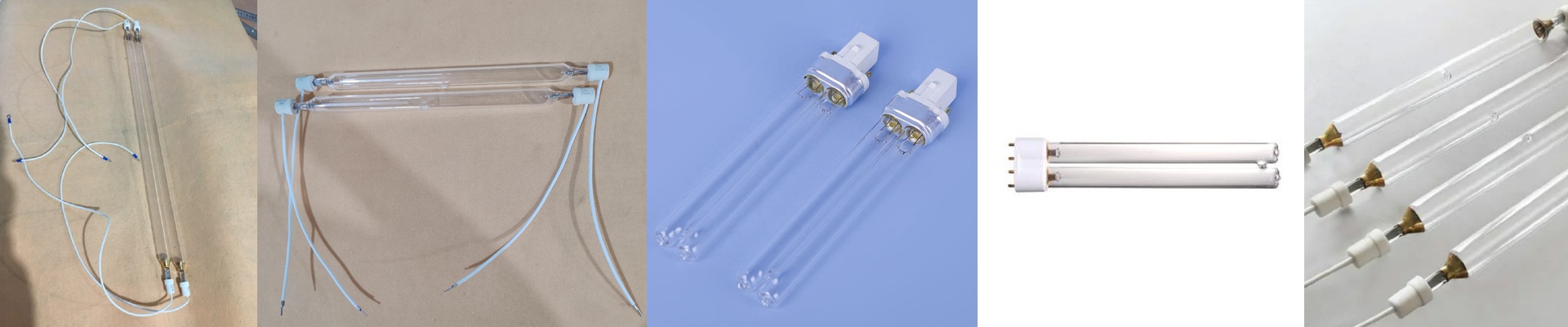
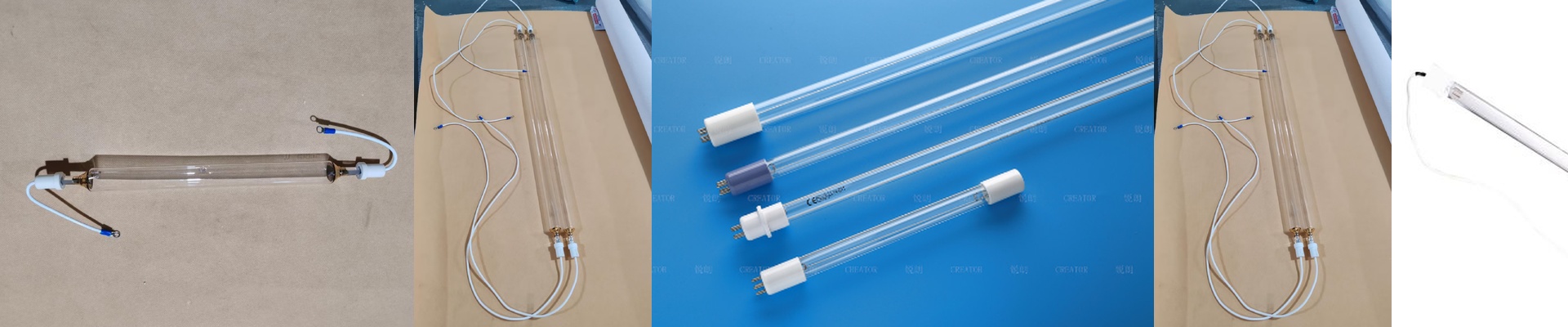
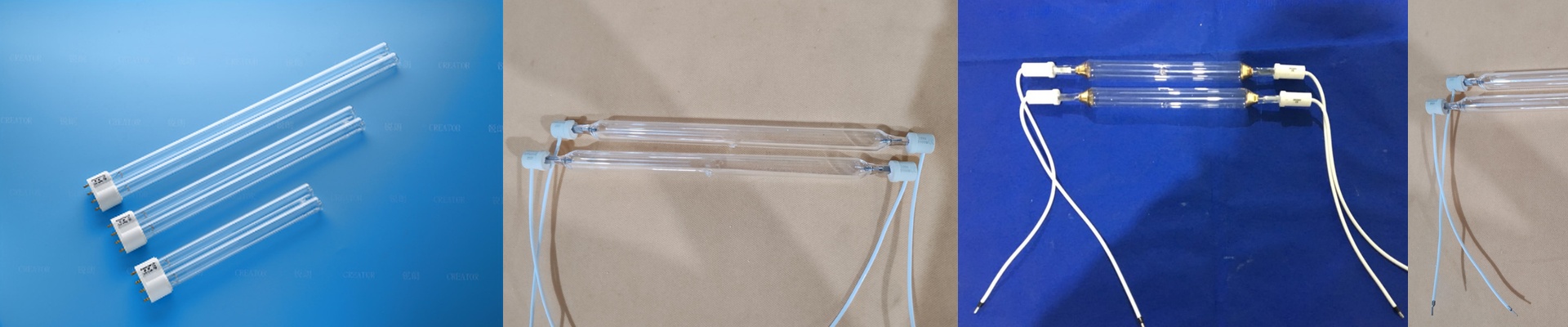
Getting the Most Out of Your Mercury UV Lamps
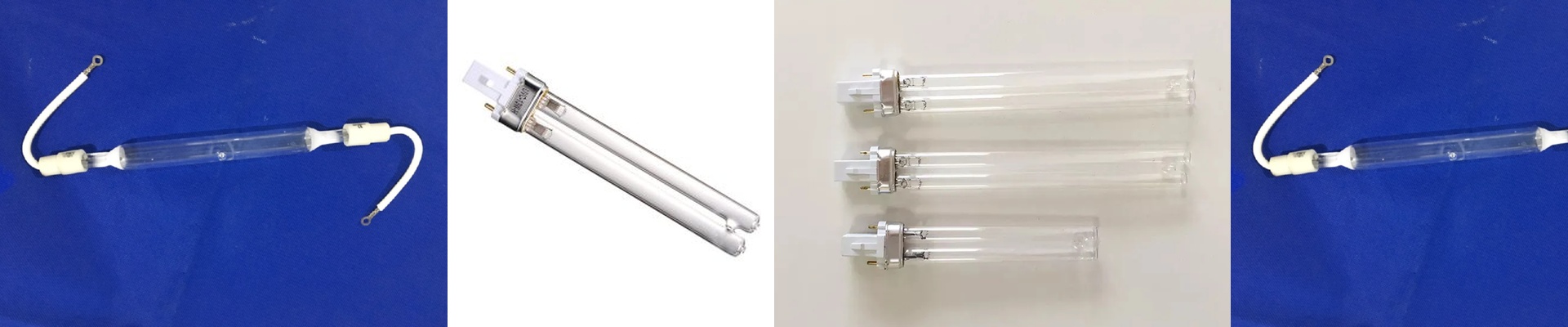
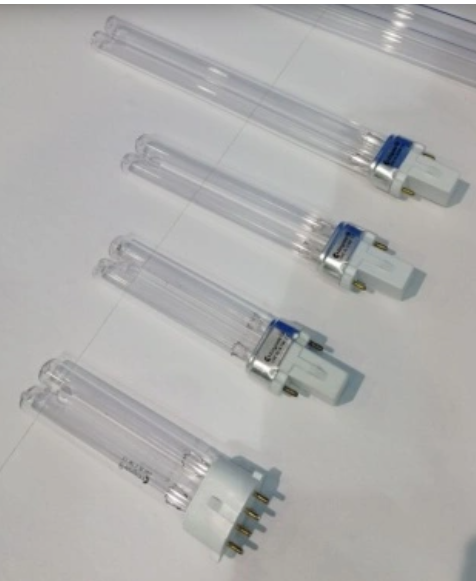
Let’s be honest: mercury UV bulbs are the real workhorses of the printing and coating world. We don’t look at them as just another spare part to ship out. For us, these lamps are the heart of your entire curing line. Whether you’re pushing through offset printing or high-speed coating, the physics of that lamp is what actually decides how fast your line can run.
How it actually works
Here is the deal: these lamps create an electric arc through mercury vapor. That process kicks out a broad spectrum of UV radiation—specifically those UVC and UVB wavelengths that tell your ink to dry and harden. When you’re picking a bulb, it usually comes down to wattage and length. If you cram more wattage into a shorter tube, you get a lot of heat density. It’s great for curing things fast, but there’s a catch. If your conveyor speed isn’t dialed in just right, you’ll end up scorching your material.
The gear and the heat
We use high-purity quartz glass because we don’t want your UV output to dip just because the bulb is getting hot. We also build the connectors to handle high voltage without any annoying arcing at the terminals. One thing to watch out for: your ballast needs to match the lamp’s impedance. If the voltage is off, the bulb might just burn out early or never actually hit its full power. It’s a frustrating way to waste a lamp.
Finding the sweet spot
Putting these bulbs into a production line is all about a balancing act. You want speed, but you have to manage the heat. High-output mercury lamps throw off a lot of infrared (IR) heat along with the UV. If you’re working with thin films or PET that can’t take much heat, your cooling system has to be up to the task. Without enough airflow, your substrate will warp and curl before the ink even has a chance to set. We can give you the technical data to figure out exactly how far to keep the lamp from your product. It saves you from the headache of ruined batches.