Stop Slapping Logos on Generic UV Lamps
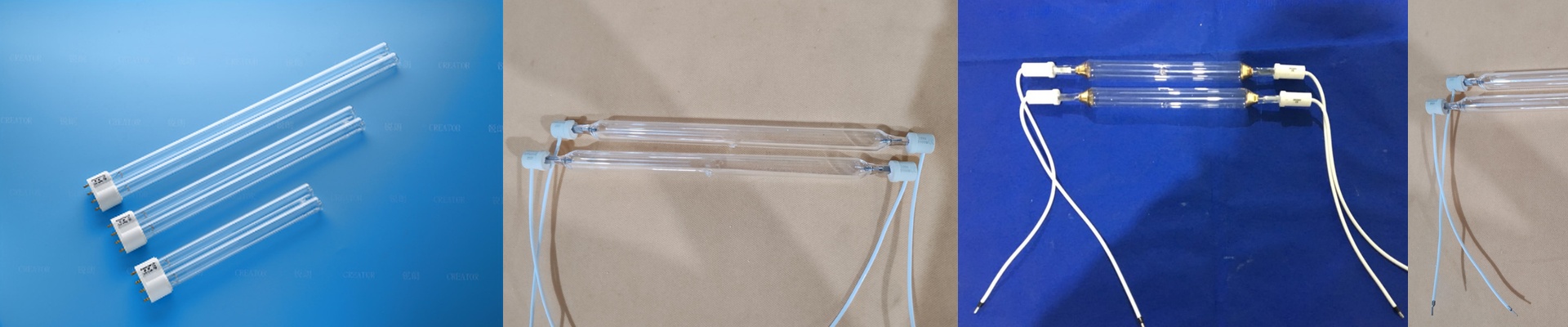
Let’s be honest: most UV lamps coming out of China are basically the same. They’re generic. And if you’re trying to build a brand that actual engineers trust, just putting your logo on a stock tube isn’t going to cut it. Engineers can tell. They know when a part is just “off-the-shelf.” To really win them over, your hardware needs to be built specifically for the way your customer actually uses it—whether that’s a precise curing cycle or a heavy-duty sterilization setup.
Getting the Output Right
It all comes down to a balancing act between wattage, voltage, and how long the tube is. We don’t just hand you a catalog and tell you to pick something. Instead, we mess around with the electrode composition and the mercury vapor pressure until we hit the exact wavelength you’re after. Need UVC for killing germs? Or maybe UVA for drying resin? The gas mix is what makes that happen. One thing to watch out for: high-wattage tubes pack a punch, but they gethot. Really hot. If your housing doesn’t have the right airflow, that quartz is going to crack under the stress. We’ll help you make sure that doesn’t happen.
The Gritty Details
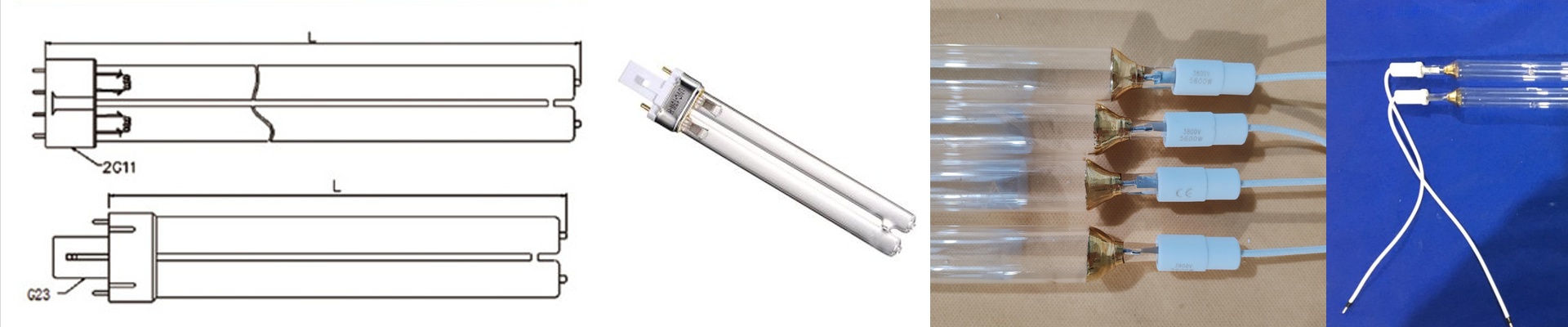
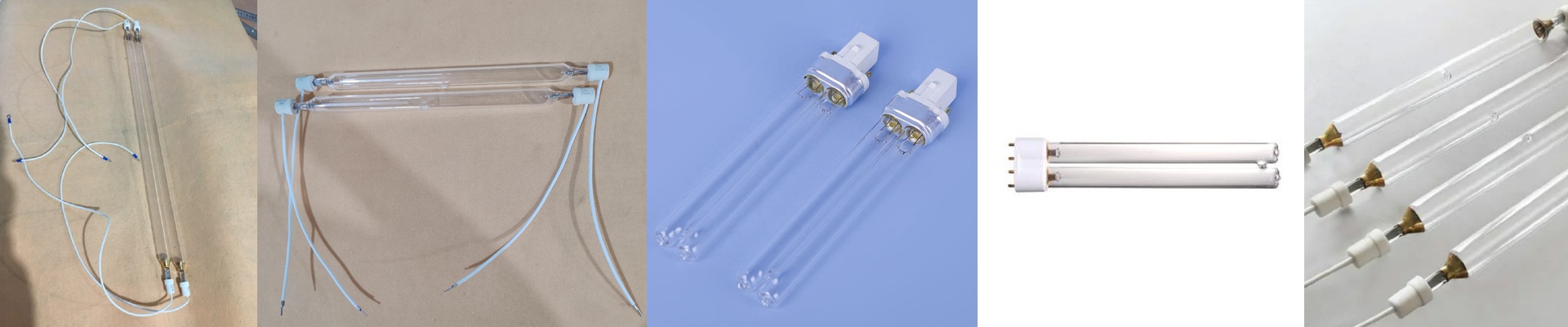
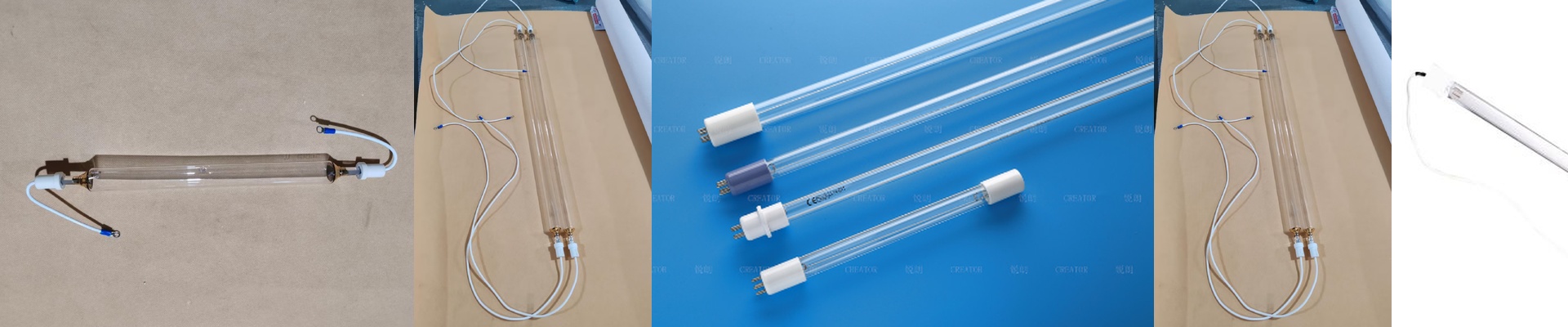
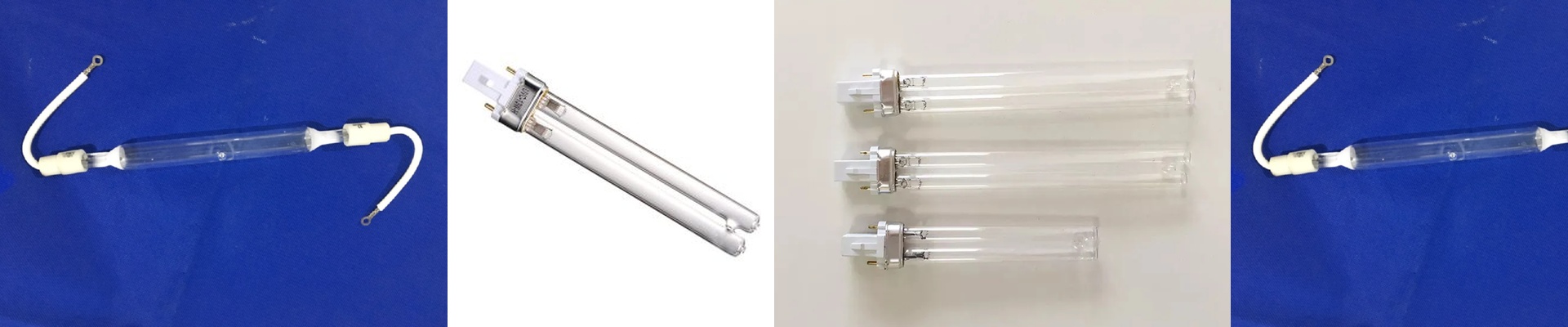
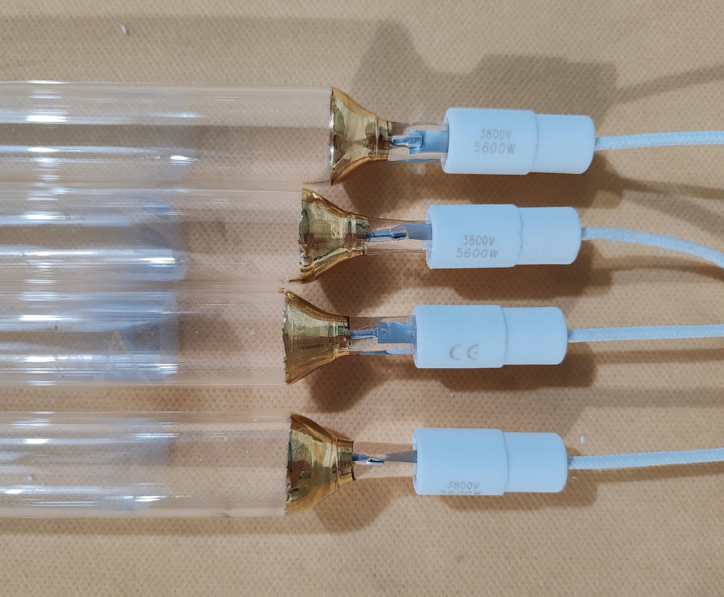
Reliability is everything. Your customers don’t care about a fancy brochure; they care that the lamp works every single time they flip the switch. That’s why we handle the boring, technical stuff that actually matters: ***The Connectors:**We can swap between R7s, SK15, or whatever custom pin setup you need. It makes your lamps a simple “drop-in” replacement for the machines your customers already own. ***The Glass:**We use high-transmittance fused quartz. It stops the glass from soaking up the UV energy, so more of it actually hits the target. ***The Shielding:**If your lamps are going to be splashed with harsh chemicals, we can add specialized coatings to the outside to keep them from degrading.
Finding the Sweet Spot
Here’s the trade-off. When you customize your specs, you get a much tighter fit for your specific job. But there’s a catch: if you push for absolute maximum intensity, you’re going to kill the lamp’s lifespan. It’s a tug-of-war. We work with you to find that sweet spot where you’re hitting the required mW/cm² without the bulb burning out way too early. We take care of the heavy lifting—the electrodes, the quartz, and making sure it plays nice with the ballast. You just tell us the footprint and the power you need, and we’ll build the hardware. That way, you can spend your time growing the business while we handle the lab work.