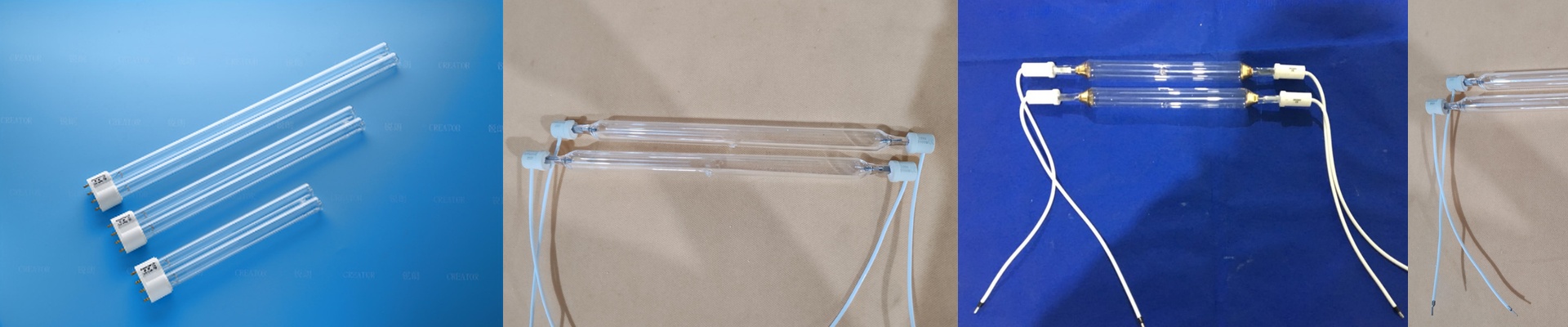
Let’s Talk About the Real Cost of Custom UV and IR Lamps
Finding a lamp that actually works without breaking the bank is a headache. Usually, you’re stuck choosing between a cheap knockoff that dies in a month or a “premium” brand that charges you a fortune just for the logo. We do things differently. We handle everything ourselves—from the raw quartz to the final weld. No middlemen. No guesswork.
Getting the Specs Right (Without the Stress)
When we build a custom UV lamp, we’re looking at two big things: wavelength and power. If you’re sterilizing equipment, you need short-wave. Curing? Long-wave. The gas we put inside and the materials we use for the electrodes are what keep the lamp from burning out too soon. Here is the catch: we can crank up the wattage to get things curing faster, but that creates a lot of heat. If your cooling fans can’t keep up, the quartz will actually soften or the electrodes will fry. It’s a balancing act. We’ll help you match the lamp to your ballast so you don’t accidentally melt your hardware.
The Stuff That Actually Matters
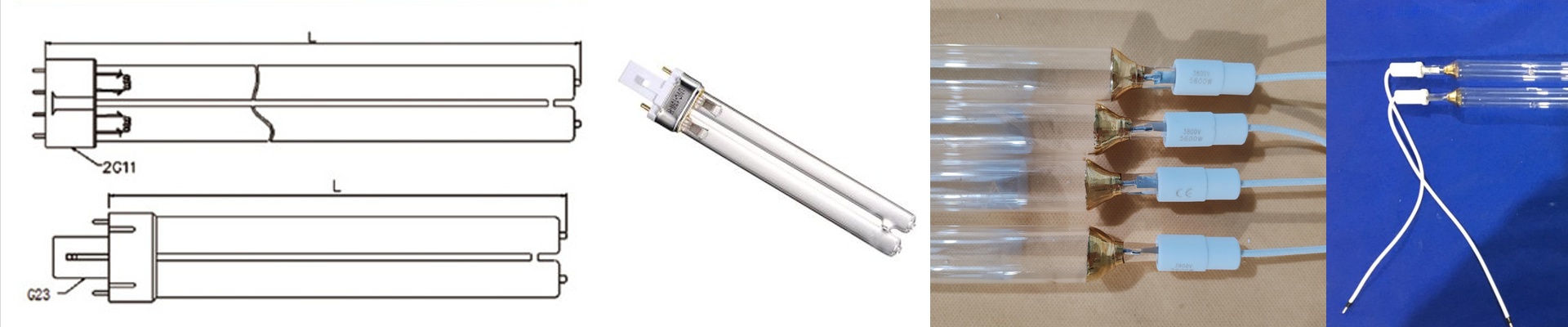
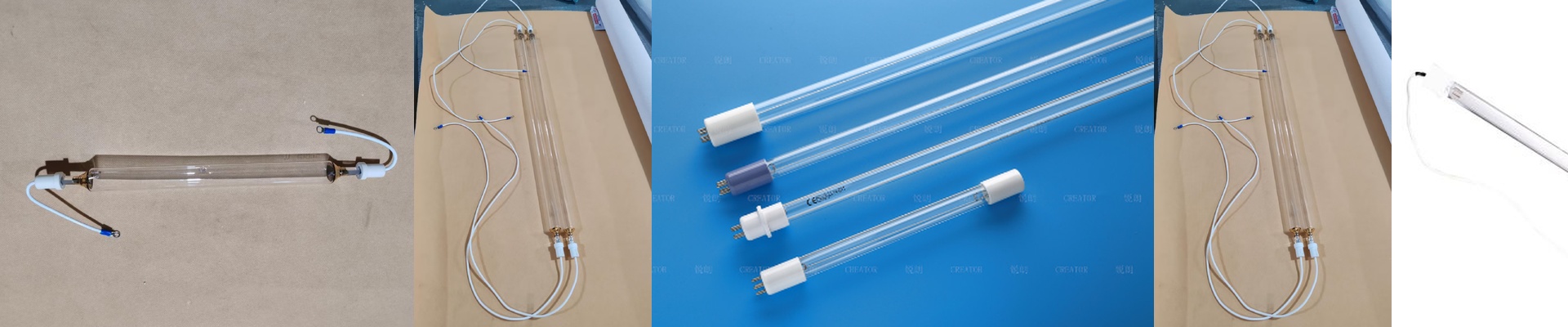
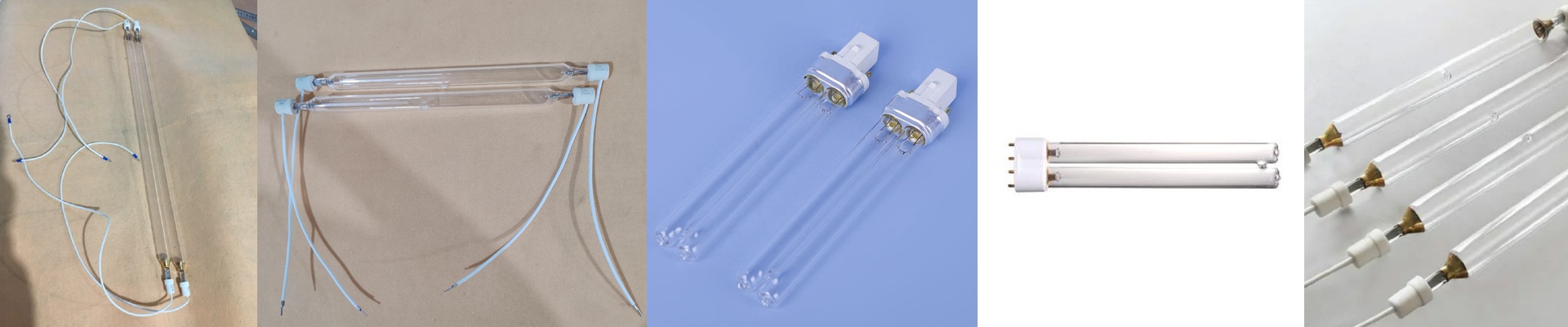
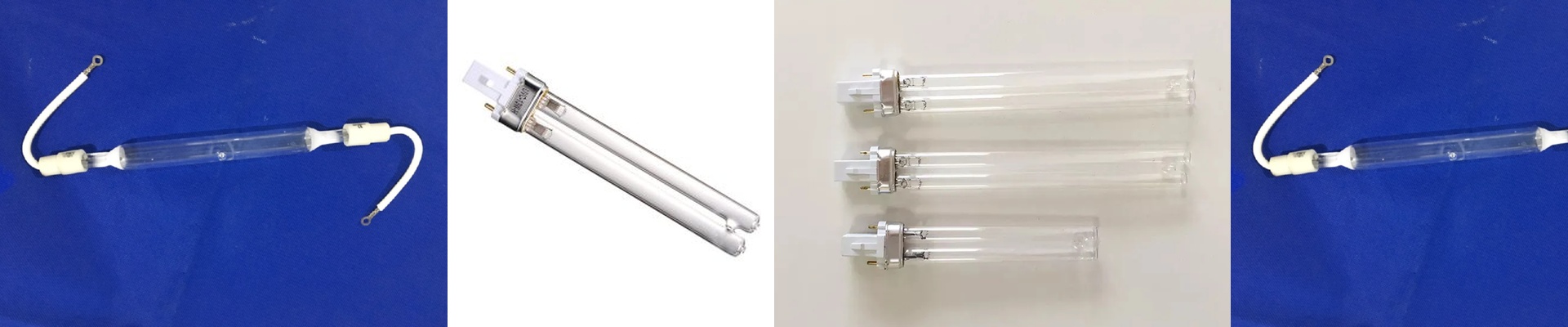
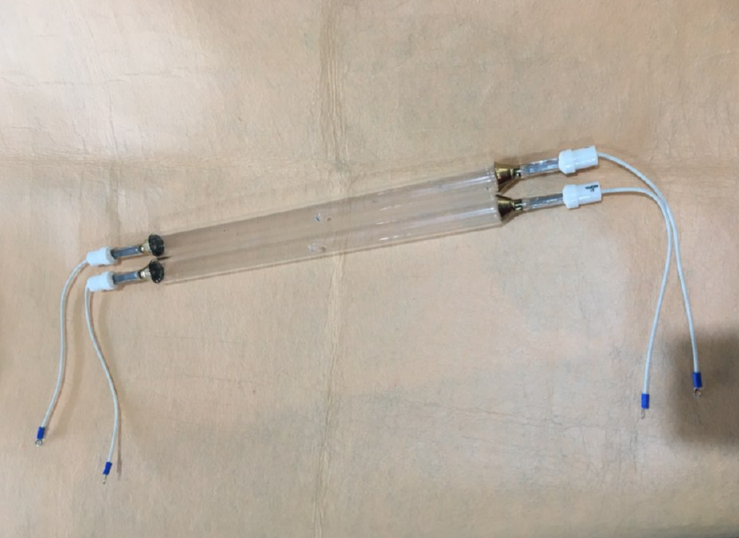
We use high-purity fused quartz because it lets the UV light through without fighting it. For the IR lamps, we use halogen fills. This lets the lamp run hotter without killing the filament. Then there are the connectors. Whether you need a standard R7s or something weird like an Sk15, we make sure they fit perfectly. You want these to be “drop-in” replacements—something you can swap out quickly during maintenance without a fight. And we don’t do generic fittings. We weld the leads. Why? Because industrial environments are brutal. Vibration kills cheap connections. Our lamps are built to take a beating.
Why This Saves You Money
Since we blow the glass and fill the gas in-house, we cut out the markup you usually see with outsourced designs. You get a lamp that fits your exact footprint and electrical needs, but you aren’t paying a “brand name” tax. Just a heads-up: because this is a custom process, we need the specs to be spot on from the start. Once the quartz is blown, there’s no “tweaking” the length or voltage. If something changes, we have to start the whole cycle over from scratch. Get it right the first time, and you’ve got a powerhouse of a lamp that just works.