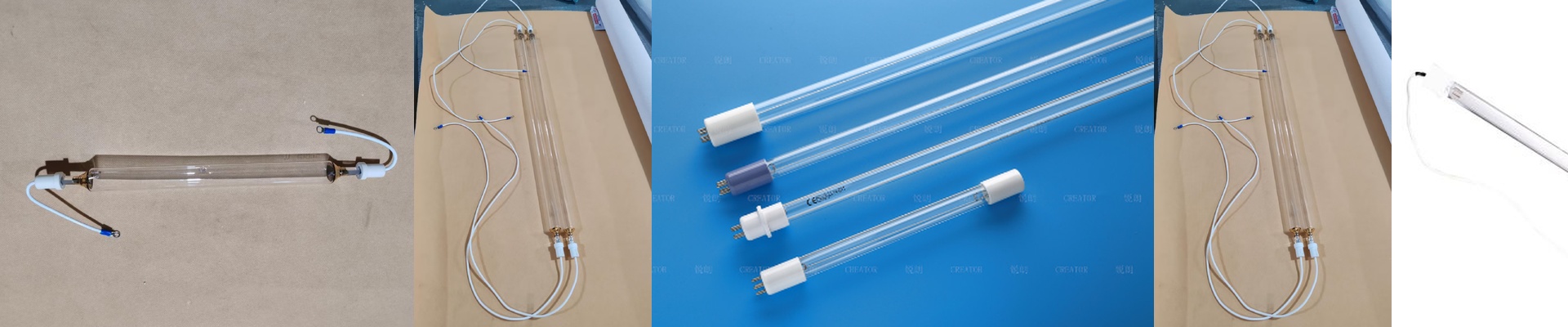
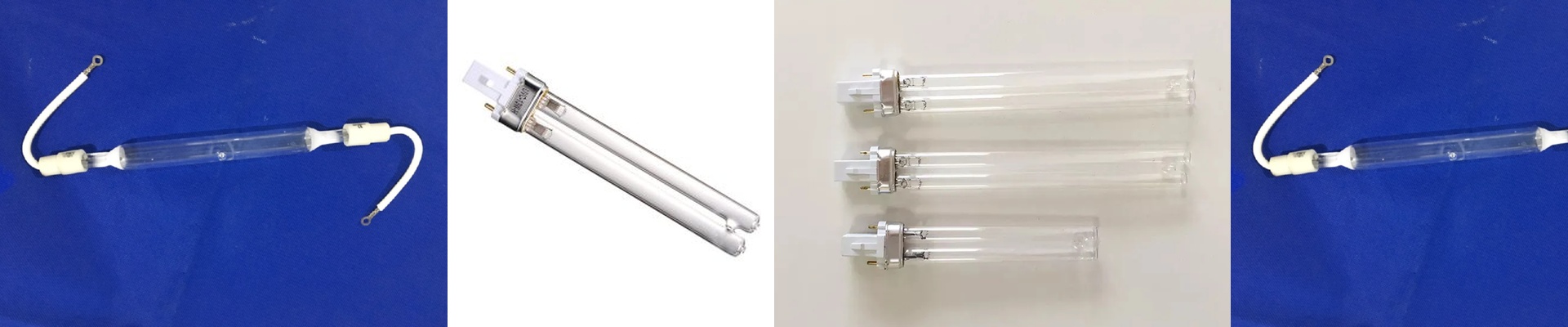
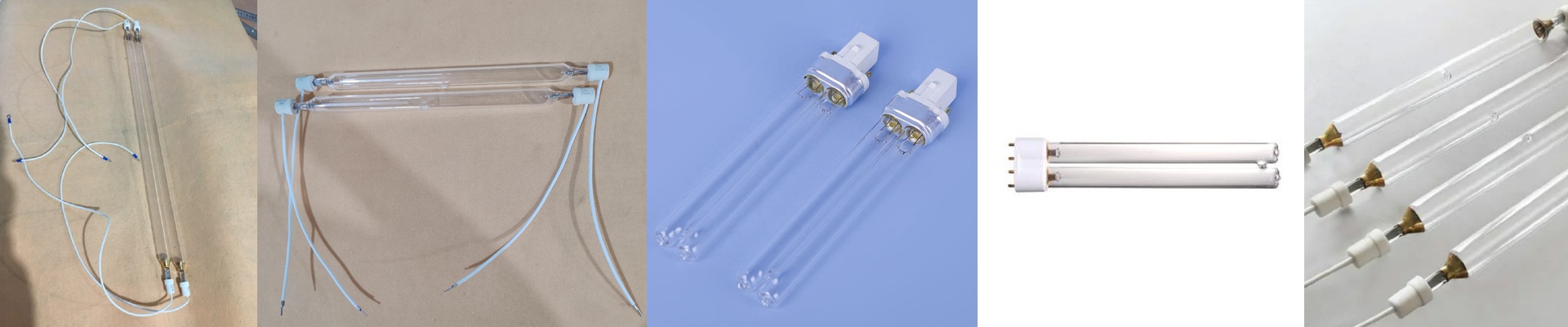
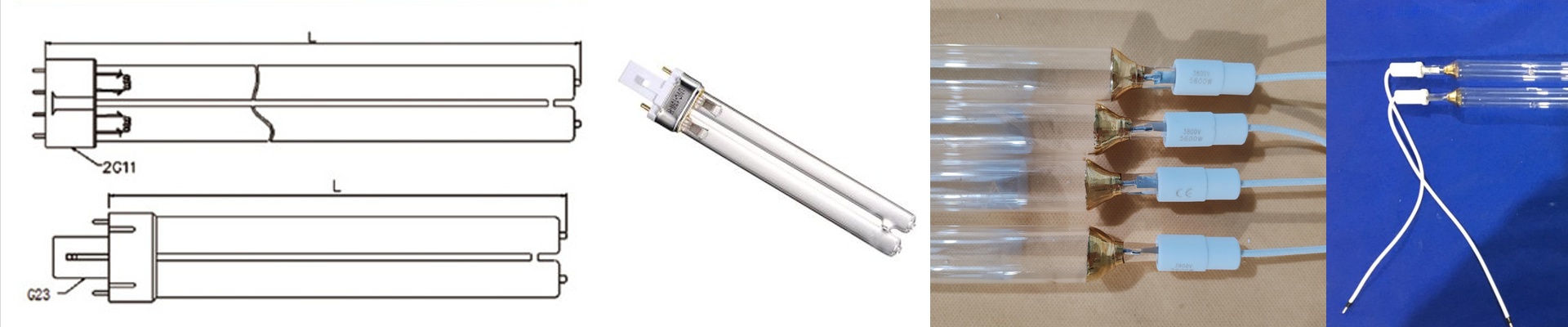
Stop Fighting With Your UV Lamps
At the 2026 Printing Exhibition, we noticed a lot of people crowding around our UV modules. Why? Because they’re tired of the same old shop-floor nightmares: tubes burning out way too early and curing speeds that jump all over the place. We don’t do “one size fits all.” That’s a recipe for failure. Instead, we look at how fast your line actually moves and what’s in your ink before we build a thing.
Why Most Tubes Quit Early
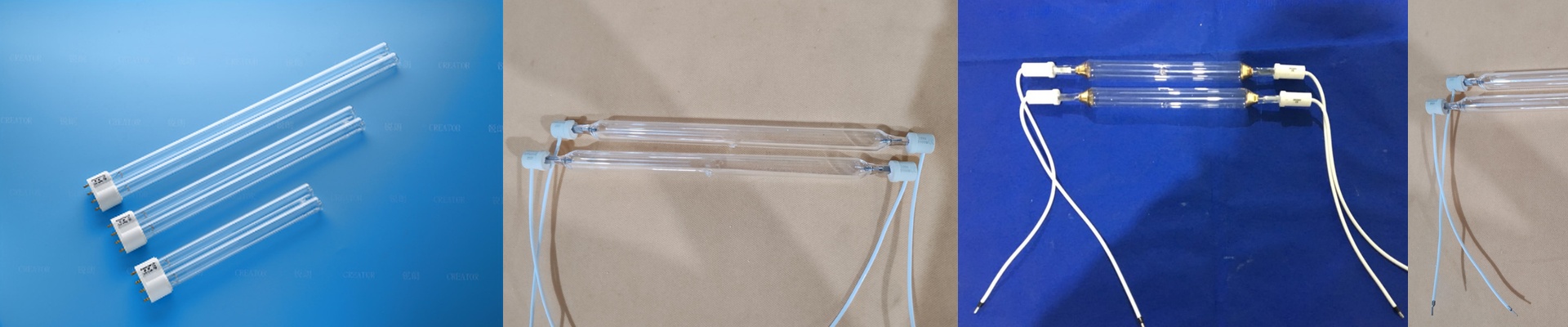
Here’s the thing about mercury tubes. They usually die because they either overheat or the electrodes just give up. We use a specific kind of quartz glass that doesn’t “cloud over” after a few hundred hours. You know that dimming effect where you have to slow down the whole conveyor just to make sure the ink actually dries? We hate that. By getting the mercury vapor pressure just right, the UVC output stays steady. Your line keeps moving.
Making It Fit (Without the Headache)
You shouldn’t have to tear apart your entire chassis just to upgrade your lighting. We designed these to be drop-in replacements. The real battle here is heat. High-wattage lamps put out a massive amount of infrared heat. If your cooling system can’t handle that load, the tube will warp or just pop. To stop that, we use precision reflectors. They do two things: they push the UV energy down onto your product and keep the heat away from the housing. It keeps the temperature in a sweet spot, which means your tubes last way longer.
The Honest Truth About Maintenance
Now, look—high-intensity curing isn’t magic. It takes a lot of power. That puts a bit more stress on your power supplies. And there’s one non-negotiable:you have to keep the reflectors clean. If dust builds up on the quartz, your efficiency tanks and the heat starts to climb. We build the modules to do the heavy lifting, but your crew needs to stay on top of the cleaning. Keep the optics clear, and the lamps will take care of you.