More Than Just a Sticker: The Truth About CE Certification
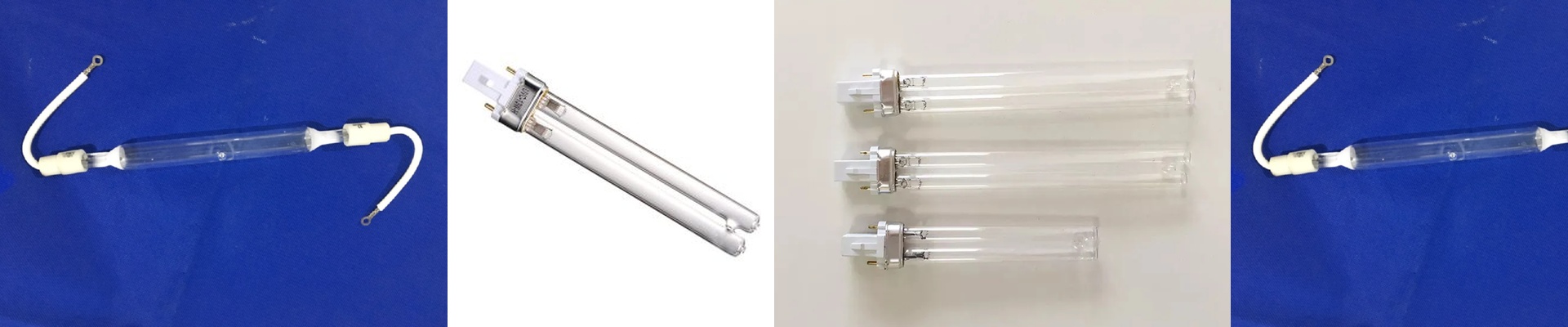
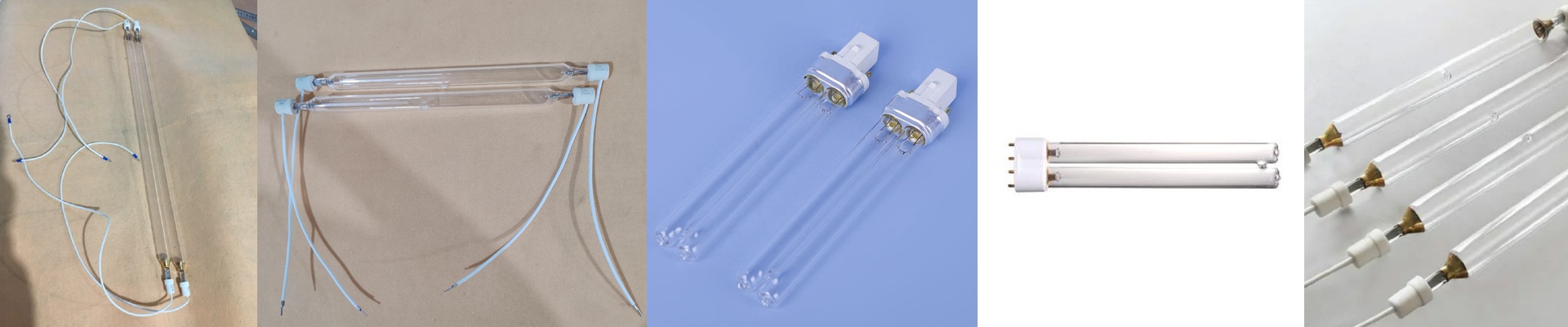
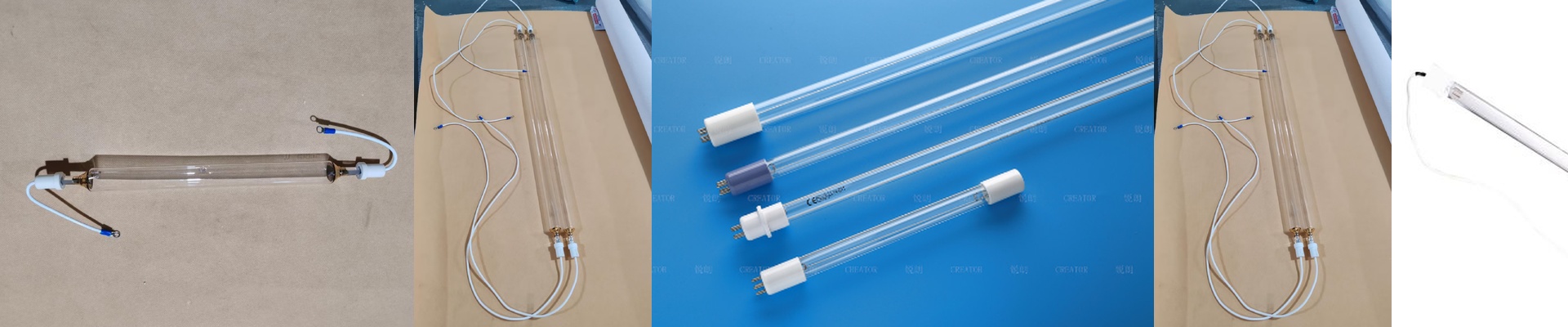
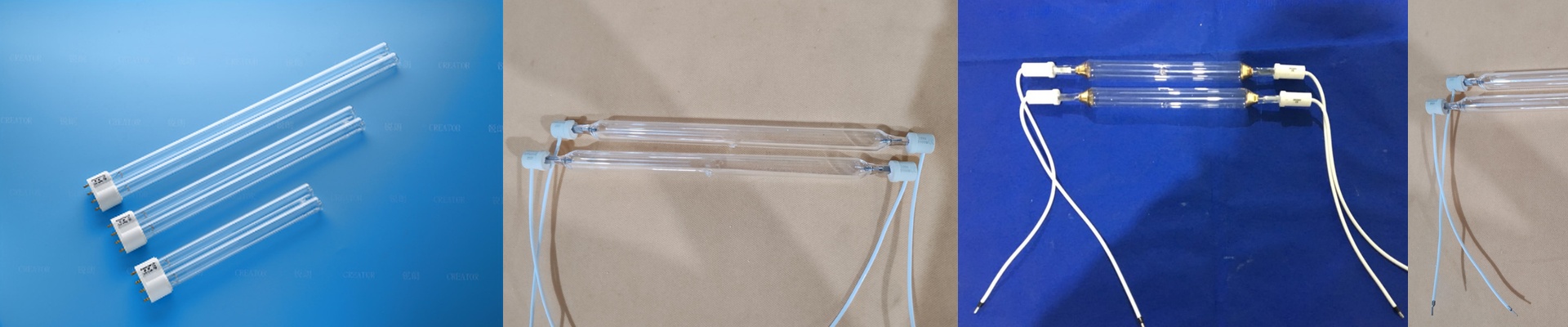
Most people see CE certification as just another hoop to jump through—a bit of red tape from some office in Europe. But when you’re actually building UV sterilization or curing systems, it’s a different story. Here’s the thing: UV-C isn’t a toy. You’re dealing with high-voltage ballasts and shortwave radiation. If you mess this up, you’re looking at immediate skin burns or permanent eye damage for the person operating the machine. That little CE mark is basically a promise that your hardware isn’t going to blow a fuse or leak radiation into the room. The grit behind the scenes Getting to those standards is a grind. We have to obsess over every single part to make sure the electromagnetic compatibility (EMC) and Low Voltage Directives (LVD) are spot on. Why? Because a UV lamp that flickers or puts out too much electrical noise can actually crash the PLC of an entire production line. That’s a nightmare scenario. We spend a lot of time testing dielectric strength and insulation resistance just to make sure the chassis stays grounded. If your lamp isn’t certified, one surprise factory audit could shut your whole operation down. Playing in the big leagues If you’re trying to sell into high-end markets in Europe or North America, “good enough” doesn’t cut it. They want to see the math. They want proof. When a lead engineer plugs our lamps into an automated curing line, that CE mark tells them they don’t have to worry about the heat. We’ve already done the hard work on thermal management so the quartz sleeve doesn’t just crack the moment it hits a temperature spike. It’s about peace of mind. The trade-off Now, let’s be honest: doing this properly costs more. You can’t use the cheap stuff. You need higher-grade capacitors and shielded cabling to pass the tests, which means the power supply takes up a bit more room. It bumps up the initial bill. But it’s the cost of admission. If you want to get into medical gear or food-grade packaging, you need this. You simply can’t walk into a cleanroom and expect anyone to trust your gear if you can’t prove it meets international safety codes. It’s that simple.