


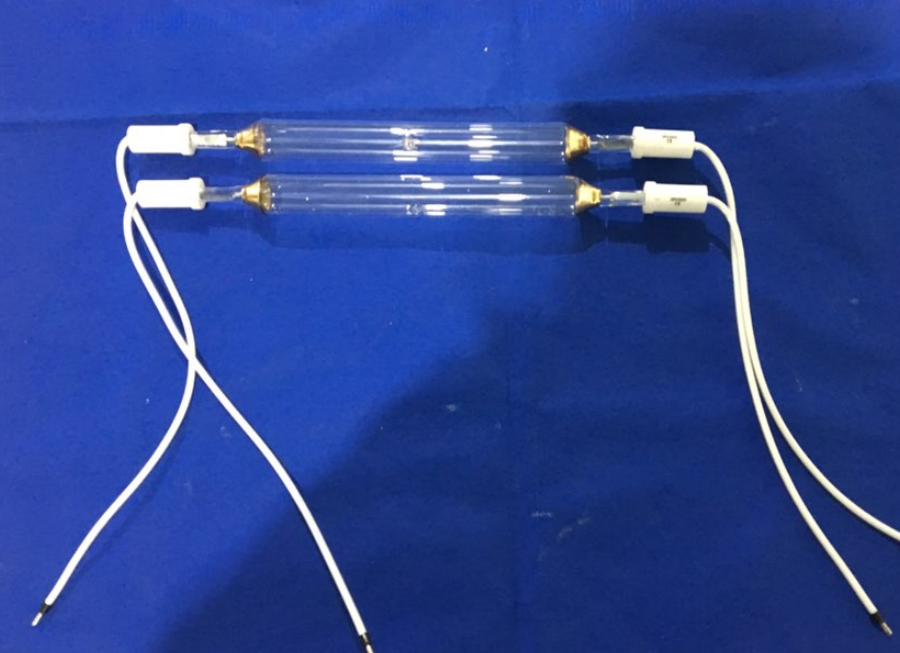
Getting UV Curing Right in Your Textile Line
From the moment you prep your raw fabric to the second the garment is finished, UV curing is the secret sauce making the chemistry actually stick. We don’t just sell you a bulb and wish you luck. We build the actual light engines that handle the heavy lifting—whether that’s setting ink or applying those tricky functional coatings.
The Reality of the Production Line
Here’s the thing: you aren’t just “drying” the fabric. You’re triggering a chemical reaction that snaps everything into place. We build our lamps to hit those exact wavelengths so your monomers turn into polymers instantly. We’re talking seconds, not minutes. It’s a balancing act. If you’re running a digital inkjet or adding a water-repellent finish, your light levels have to be spot on. Too little power? Your ink smears. Too much? You risk scorching the fabric. We spend our time dialing in that power density so the cure goes deep into the fiber, but the fabric still feels soft to the touch.
The Hardware Trade-offs
Off-the-shelf lamps almost never work for a real textile line. They just don’t fit. That’s why we customize the length and the focal point to match how fast your conveyor is moving. If you speed up the line, you need more intensity to make sure the fabric gets the same dose of energy. We also play around with doped quartz or phosphor coatings to shift the light spectrum. This lets us target the specific photoinitiators in your ink. But you’ve got to watch the heat. High-output lamps put off a lot of infrared radiation. If your cooling fans aren’t up to the task, your fabric is going to warp. And nobody wants that.
Making it Work on the Shop Floor
We design these systems to be drop-in replacements. They need to be tough. Your factory is dusty, it’s loud, and equipment takes a beating—your lamps shouldn’t lose their punch just because the environment is gritty. We obsess over the connectors and the reflector geometry. Why? Because we want the light to hit the fabric evenly. No dead spots. No weird uncured patches. Just a clean, hard cure across the entire width of the web, every single time.